

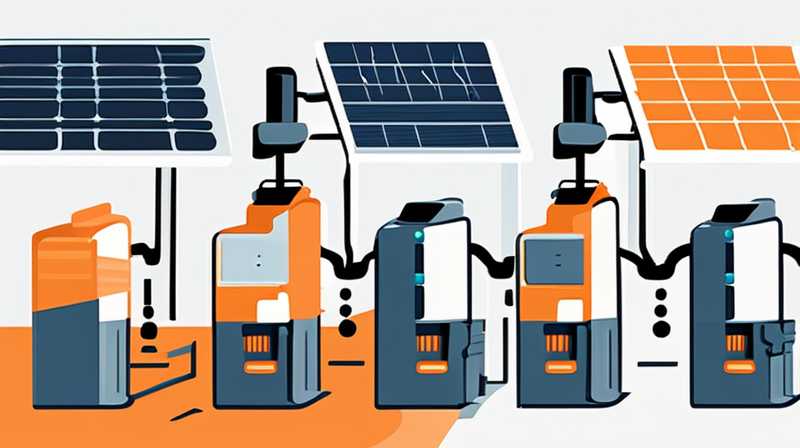
In selecting a solar power generation system, several significant elements must be considered to ensure optimal performance and efficiency. 1. Evaluate your energy needs, 2. Understand system types, 3. Consider location and sunlight availability, 4. Assess financial implications. A detailed evaluation of energy consumption can lead to a better understanding of the necessary system output, which is essential for making an informed choice. Also, recognizing the different types of solar systems—such as grid-tied, off-grid, and hybrid—will allow for alignment with specific requirements and circumstances. Additionally, geographical factors and solar radiation levels should play a crucial role in the decision-making process. Finally, considering financial aspects, such as installation costs, incentives, and potential savings, will help determine the most viable option for both short-term and long-term goals.
1. EVALUATE YOUR ENERGY NEEDS
Understanding personal energy consumption serves as a cornerstone for selecting an appropriate solar system. The initial step involves calculating monthly electricity usage to gauge the system size required to achieve energy independence or reduce reliance on the grid. Prospective solar users should collect utility bills for the past year to ascertain average monthly kilowatt-hours (kWh) used. This calculated figure provides the essential baseline for determining the necessary system capacity. Furthermore, individuals should consider future energy needs, such as potential increases in consumption due to lifestyle changes, such as adding electric vehicles or home additions.
Expanding upon this, it’s crucial to also analyze the load profiles of various appliances within a household or business. Each appliance has a specific energy requirement, and understanding these can enable the selection of a system that not only meets current demands but also accommodates shifts in energy use patterns. Focus should be directed towards energy-efficient appliances, as they consume less power and complement the overall solar investment. Utilizing this comprehensive assessment ensures that the chosen system aligns well with energy needs and offers a robust foundation for the entire solar power strategy.
2. UNDERSTAND SYSTEM TYPES
The landscape of solar energy systems comprises distinct types, each catering to different requirements and lifestyles. There are primarily three main categories: grid-tied systems, off-grid systems, and hybrid systems. Grid-tied systems are connected to the local electricity grid and work seamlessly with it. These systems allow for excess energy generated during sunny days to be sent back to the grid, while also permitting consumption of grid power during periods of low sunlight. This interconnection provides a reliable and flexible solution for many users.
Conversely, off-grid systems operate independently of the grid, making them ideal for remote locations where grid access is absent or inconsistent. These systems rely on batteries to store energy for use when sunlight isn’t available. Although they offer independence from utility companies, off-grid systems tend to have higher upfront costs owing to the need for battery storage and require meticulous planning to avoid energy shortages. For those who might wish for a middle ground, hybrid systems combine elements of both grid-tied and off-grid systems. This versatility enables the utilization of solar energy with the safety net of grid electricity during insufficient solar production. Understanding these differences provides crucial insight when selecting the most appropriate solar solution.
3. CONSIDER LOCATION AND SUNLIGHT AVAILABILITY
Geographical factors wield considerable influence when deliberating on a solar power system. The amount of sunlight available in a specific location directly correlates with the efficiency and output of solar energy systems. Evaluating local weather patterns, seasonal variations, and geographical obstructions prevalent in the area can yield invaluable insights. Regions that enjoy ample sunshine throughout the year will likely see higher energy returns from solar investments.
In-depth assessment of the site for solar panel installation is equally paramount. Considerations such as roof orientation, tilt, and shading impact the performance of a solar energy system significantly. Ideally, solar panels should face south in the Northern Hemisphere and north in the Southern Hemisphere to maximize sun exposure. Areas with potential shading from nearby trees, buildings, or other structures necessitate advanced analyses to ascertain optimal panel placement and orientation. Utilizing tools such as solar pathfinders can enable users to gain a comprehensive view of how sunlight interacts with the chosen installation area throughout the year. This focus on location and sunlight availability establishes a strong basis for a system that operates at peak efficiency.
4. ASSESS FINANCIAL IMPLICATIONS
Delving into the financial aspects of purchasing a solar power generation system represents a critical component in the decision-making process. Initial installation costs can vary significantly based on system size, type, and location. Beyond the outright expense involved, it’s essential to consider additional charges, including permits, inspections, and installation fees. As such, individuals often seek multiple quotes from different contractors, allowing for a prudent assessment of price versus value.
Moreover, potential savings through utilities and government incentives can significantly impact the overall financial commitment. Federal tax credits, local rebates, and net metering programs can provide substantial cost reductions. Understanding after-incentive pricing can greatly alter the perception of affordability. Installing a solar system may capitalize on immediate savings, but it’s equally important to explore long-term impacts, such as increased property values and reduced electricity bills. A keen evaluation of all financial dimensions ensures that individuals or businesses align their chosen solar solution with their budget while optimizing overall energy production.
FAQs
WHAT FACTORS SHOULD I CONSIDER REGARDING SYSTEM MAINTENANCE?
Maintenance requirements may vary based on the type of solar system employed. Typically, grid-tied systems involve minimal upkeep, primarily necessitating occasional cleaning of panels to remove dust or debris without any major inspections. In contrast, off-grid systems warrant a closer inspection of batteries and components since they are solely reliant on their solar input. Regular checks are crucial to ensure battery health and overall system functionality.
Cost implications for maintenance should also be factored in—contracting professionals for periodic inspections might incur additional expenses. To mitigate these issues, many manufacturers offer warranty services and maintenance plans, which can provide security and confidence to the system owner. Assessing maintenance needs during the selection process, and understanding long-term implications, will assist in preserving overall efficiency.
HOW DO I DETERMINE THE SIZE OF THE SOLAR INSTALLATION REQUIRED?
Calculating the appropriate size of a solar installation requires a meticulous approach to one’s energy consumption patterns. Use of historical utility bills provides an insightful starting point, allowing individuals to discern average monthly consumption and identify possible increases in usage. Employing online calculators designed for this purpose can streamline the process, providing rough estimates based on preset variables.
Further assessments may involve professional audits that offer detailed evaluations of energy needs and system sizing. Considering additional energy needs due to lifestyle changes, such as the adoption of electric vehicles or increasingly energy-intensive appliances, is also vital. Ultimately, an accurate determination of system size hinges upon both current and projected energy requirements.
WHAT FINANCIAL INCENTIVES ARE AVAILABLE FOR SOLAR ENERGY INSTALLATIONS?
Various financial incentives exist to promote the adoption of solar systems, with the primary ones being federal tax credits, state and local rebates, and various financing options. Federal tax incentives, specifically the Investment Tax Credit (ITC), allow users to deduct a significant percentage of the installation costs from their federal taxes, representing a considerable upfront refund. State and local initiatives can also further incentivize installations, offering credits or rebates that ease the burden of initial investment costs.
In addition, organizations may explore financing options like solar loans and lease agreements. Solar loans allow users to borrow the necessary funds while benefiting from monthly payments that can be lower than traditional utility payments. Financing options tailored for solar projects have improved access to technology and brought solar energy into reach for a broader array of consumers. Understanding these financial incentives is essential for maximizing returns on solar energy investments.
Engaging with solar power generation requires careful deliberation and analysis of various multifaceted topics. Key to making an informed choice, it’s paramount to methodically assess energy needs, discern system types, consider geographic implications, and examine financial aspects. Successful adoption of solar technology can yield substantial benefits, both in environmental sustainability and financial savings. As discussions around renewable energy gain traction, awareness of solar power generation systems becomes crucial for individual energy independence, sustainability, and long-term financial prudence. Ultimately, a well-informed choice regarding a solar power system could spur significant transformative benefits, including cost savings and contributing positively towards environmental conservation. The potential future landscape of energy is undoubtedly leaning towards renewable solutions, and solar power stands at the forefront of that evolution.
Original article by NenPower, If reposted, please credit the source: https://nenpower.com/blog/how-to-choose-a-solar-power-generation-system/

