

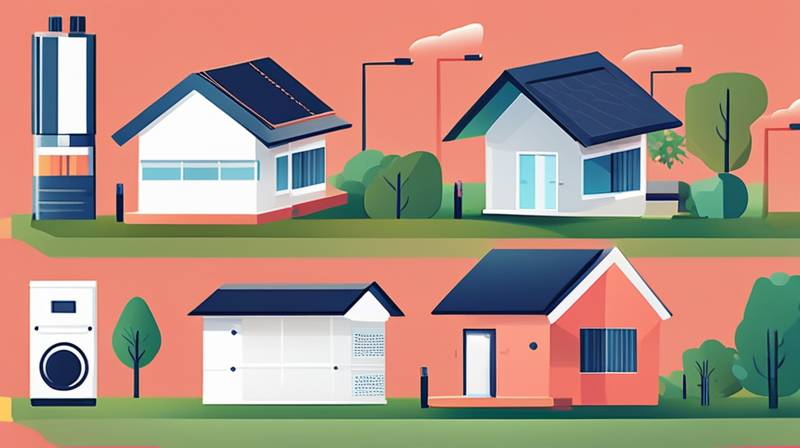
Choosing a residential energy storage system for a small home involves carefully evaluating multiple factors to ensure efficiency, compatibility, and cost-effectiveness. 1. Assess your energy needs, 2. Consider system compatibility, 3. Evaluate available technologies, 4. Analyze costs and incentives. After determining energy requirements, understanding how the storage system integrates with current systems, exploring diverse technology options like lithium-ion or lead-acid, and reviewing financial aspects that include installation and possible incentives are pivotal.
UNDERSTANDING ENERGY NEEDS
The journey towards selecting an appropriate energy storage system begins with a thorough understanding of energy consumption patterns. Homeowners should conduct an energy audit to establish daily and seasonal power usage. By calculating peak demand and identifying times when energy usage is highest, individuals can ascertain their specific storage requirements. This analysis will significantly impact the capacity of the chosen storage technology; selecting a unit that is either under-sized or over-sized can lead to inefficiencies and increased costs.
In addition to peak usage, consider the charging and discharging cycles. A well-rounded perspective involves estimating how often energy will be stored versus how often it will be used. High cycling frequency may necessitate a storage solution that can withstand more wear and tear, emphasizing the critical relationship between expected usage patterns and system longevity. By gaining a comprehensive understanding of energy consumption, homeowners can make an informed choice about the scale and type of energy storage required for their small residences.
SYSTEM COMPATIBILITY
Compatibility with existing energy systems is another crucial consideration when selecting a residential energy storage solution. Solar panel integration is paramount for homeowners leveraging renewable sources. The interaction between the solar array and the storage unit influences overall efficiency and energy savings. Opting for systems that are specifically designed for solar applications can streamline the operational workflow, ensuring that solar-generated energy is effectively stored for use during periods of minimal generation, such as nighttime or cloudy days.
Moreover, a consideration of the home’s electrical infrastructure is vital. Not all energy storage systems are uniform in their compatibility with various electrical setups. Homeowners should examine their current electrical panel’s capacity and layout, ensuring the chosen solution can seamlessly integrate without necessitating costly upgrades or extensive modifications to the resident electrical system. Proactive planning and evaluating compatibility upfront can avert unforeseen expenses while enhancing overall sustainability.
AVAILABLE TECHNOLOGIES
When it comes to energy storage technologies, homeowners face a choice among several options, each embodying its unique advantages and disadvantages. Lithium-ion batteries have surged in popularity due to their high storage capacity, efficiency, and comparatively long life spans. Their ability to handle multiple charge cycles with minimal degradation makes them ideal for powering small homes where energy demands may fluctuate. However, the initial cost of these systems can be considerable due to the advanced technology involved.
Alternatively, lead-acid batteries present a more affordable option, catering to those who might prioritize budget over performance. While they generally possess a lower energy density and life cycle compared to lithium-ion counterparts, they remain viable, particularly for homes with moderate energy needs. Additionally, newer technologies such as solid-state batteries are emerging as viable contenders, boasting even greater safety and efficiency. Homeowners should evaluate the pros and cons of each technology type and what aligns most effectively with their energy requirements, budget constraints, and environmental considerations.
COST ANALYSIS AND AVAILABLE INCENTIVES
The financial aspect of energy storage systems cannot be overstated. Initial investment costs encompass not just the price of the battery or mechanism but also installation and potential maintenance fees. Homeowners should procure quotes from multiple suppliers and assess the overall value provided by their solutions. In many cases, upfront costs can be off-putting; nevertheless, the long-term savings on utility bills should be factored in to understand the total cost of ownership.
Additionally, government incentives and tax credits can significantly affect the financial viability of an energy storage installation. Numerous regions offer financial support for homeowners looking to adopt renewable energy solutions, aiming to promote sustainable practices. Researching local incentives, rebate programs, and financing options allows homeowners to make more informed and financially sound decisions. Comprehensive financial planning should include these elements to ensure that the chosen energy storage solution is not only practical but also economically advantageous.
MAINTENANCE AND LONGEVITY
The maintenance requirements and anticipated longevity of an energy storage system also play a significant role in decision-making. Regular maintenance is vital for enhancing system performance and longevity. For instance, lithium-ion batteries generally demand less upkeep compared to lead-acid batteries, which may require periodic monitoring of fluid levels and connections. Systems that offer monitoring capabilities can provide real-time feedback on performance, allowing homeowners to take corrective actions when necessary swiftly.
Furthermore, the expected lifespan of the device influences overall value and cost analysis. Manufacturers typically provide warranties specifying expected lifetimes, which can range significantly between battery types. Understanding how age and usage affect efficiency ensures that homeowners are prepared for any future investments required to maintain optimal energy independence. Homeowners are encouraged to consider both the operational costs and the potential need for replacement at the end of a system’s life cycle.
MATERIALS AND ENVIRONMENTAL IMPACT
In light of increasing environmental awareness, the materials used in energy storage systems can’t be overlooked. The ecological footprint of battery production and disposal has become a critical conversation. Lithium-ion batteries, while efficient, often involve intricate mining processes and materials that can be detrimental to the environment. Conversely, newer technologies may offer avenues to employ more sustainable substances that harmonize well with eco-friendly initiatives.
Additionally, utilizing energy storage systems contributes positively to reducing reliance on fossil fuels. Homeowners should consider how their choice may impact overall greenhouse gas emissions, both in the manufacturing process and in operational performance. It’s essential to analyze the broader ecological implications and choose a solution that aligns with personal sustainability goals as well as community efforts towards a greener future.
FAQs
WHAT IS A RESIDENTIAL ENERGY STORAGE SYSTEM?
A residential energy storage system is a technology that captures and stores energy for later usage, enabling homeowners to utilize electricity efficiently. These systems typically work alongside existing energy grids and renewable energy sources, like solar panels, allowing users to store excess energy produced during peak generation times for later use when demand spikes or when production is low. These solutions not only enhance energy independence but can also lead to significant savings on utility bills by reducing reliance on grid power during peak times.
HOW DO I DETERMINE MY ENERGY STORAGE NEEDS?
Determining energy storage needs involves a systematic approach that begins with understanding energy consumption patterns. Homeowners should conduct energy audits to assess both average and peak energy demands across various times of the day and seasons. This entails analyzing historical bills, identifying high-consumption devices, and calculating the total watt-hours needed for daily usage and backup power during outages. Once energy needs are identified, individuals can select a storage system with appropriate capacity that fulfills their specific requirements, ensuring a balance between performance and cost efficiency.
ARE THERE ANY FINANCIAL INCENTIVES FOR PURCHASING ENERGY STORAGE SYSTEMS?
Financial incentives are frequently available for homeowners who invest in energy storage systems, especially when paired with renewable energy installations like solar panels. Many states and local governments offer rebates, tax credits, and low-interest financing options to encourage the adoption of sustainable technologies. This financial support can considerably offset initial expenses associated with purchasing and installing an energy storage system. It is highly beneficial for homeowners to conduct thorough research on local incentives, as these options can significantly enhance the affordability and economic justification for energy storage investments.
Conclusive Remarks
Selecting an ideal residential energy storage system for a small home is a multifaceted process. It necessitates a comprehensive evaluation of energy needs, system compatibility, available technologies, maintenance considerations, and financial implications. By understanding one’s energy consumption and exploring the various options available, homeowners can make informed decisions that enhance efficiency while promoting sustainability. Investing in the right energy storage solution can lead to long-term savings and contribute positively to the environment, ensuring energy independence and stability in a world increasingly reliant on sustainable practices. It is recommended to engage with professionals in the field to facilitate a thorough layout of requirements tailored to specific residential settings, ensuring a match perfectly aligned with individual lifestyle and environmental consciousness. Thus, a thoughtful approach towards selecting a residential energy storage system not only addresses immediate energy needs but also lays the groundwork for an environmentally responsible future that benefits both the homeowner and the planet.
Original article by NenPower, If reposted, please credit the source: https://nenpower.com/blog/how-to-choose-a-residential-energy-storage-system-for-a-small-home/

