

How to check solar energy monitoring flow
To determine the efficiency and overall functioning of a solar energy system, several processes must be adhered to. 1. Identify the monitoring system, 2. Access the monitoring platform, 3. Analyze performance data, 4. Review alerts and notifications. Each of these points plays a crucial role in maintaining the effectiveness of a solar energy installation. It is important to focus on performance data analysis as it helps in understanding the solar energy flow and potential issues within the system.
Moreover, performance analysis can involve looking at various metrics such as energy production, system efficiency, and even environmental factors that might impact solar energy generation. In-depth analysis allows for proactive measures to enhance efficiency and reduce maintenance costs. Monitoring solar energy systems involves a variety of tasks that not only ensure optimal performance but also foster energy savings and sustainability.
1. UNDERSTANDING SOLAR ENERGY MONITORING SYSTEMS
In the realm of renewable energy, the tracking of solar energy systems is paramount. Such systems are designed to provide real-time data concerning energy production and consumption, thereby offering critical insights for users. These monitoring systems function as the nervous system of a solar installation, consistently gathering data that can directly influence performance optimization strategies. Understanding the operational framework of solar energy monitoring systems can serve as a solid foundation for effective oversight.
Within these monitoring platforms, users can access an array of metrics that delineate energy output. This information is not limited to simple energy generation figures; it also encapsulates performance ratios, downtime occurrences, and even weather impact assessments. By integrating various analytical tools, solar energy monitoring systems provide holistic insights that can significantly inform maintenance scheduling and operational adjustments.
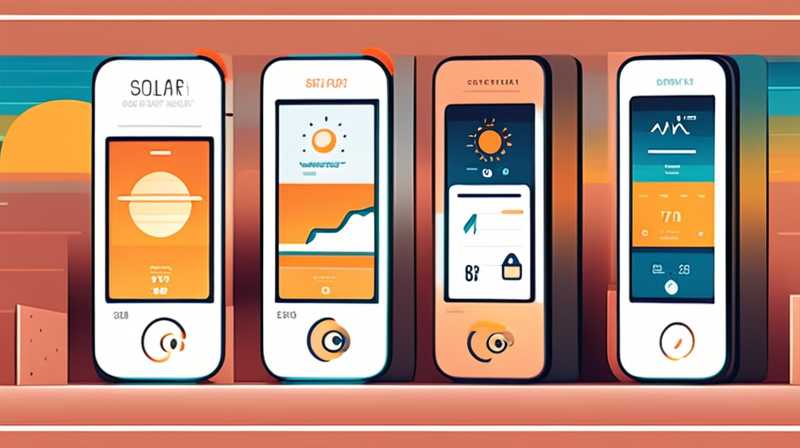
Furthermore, the use of mobile applications aligned with monitoring systems enhances user engagement. A mobile interface permits users to receive notifications and alerts in real-time, ensuring that any abnormalities can be addressed promptly. The convenience of mobile technology manifests in heightened responsiveness to potential issues, which ultimately leads to fostering a more efficient system.
2. ACCESSING THE MONITORING PLATFORM
Once the solar energy monitoring system has been delineated, access to the platform is the next critical step. Most modern solar monitoring systems can be accessed through web portals or mobile applications. Establishing secure access often requires users to input credentials, ensuring that sensitive information remains protected. Moreover, it is essential to familiarize oneself with the interface presented by the monitoring platform.
Upon entering the monitoring platform, users are typically greeted with a dashboard displaying key performance indicators (KPIs). These KPIs serve as a user-friendly visualization of how the solar energy system is performing in real time. For instance, users may instantly view current energy generation in kilowatts, daily output, and monthly trends. This immediate access to data helps in evaluating performance without unnecessary delays.
Navigating the platform often involves utilizing various features designed for user-specific customization. Personalizing the dashboard allows emphasis on the metrics most relevant to one’s unique energy needs. Consequently, monitoring not only becomes intuitive but tailored to individual preferences, reinforcing engagement and, ultimately, accountability in managing solar energy use.
3. ANALYZING PERFORMANCE DATA
With access to the monitoring platform secured, the next phase concentrates on the meticulous analysis of performance data. This involves evaluating the energy production metrics regularly, identifying fluctuations, and discerning patterns over time. A continuous review of these metrics can unveil underlying trends that suggest how well the solar energy system is functioning.
It is imperative to track multiple facets of performance, including energy output against expected generation based on environmental factors. For instance, comparing current output to historical data can shed light on any anomalies in performance. An integration of weather data can further contextualize any downturns in energy generation. Solar panels perform optimally under clear skies, and data analysis should account for incidents such as overcast days or snowfall.
Moreover, a deep dive into system inefficiencies can illuminate issues such as inverter malfunction or shading problems. Periodic reviews can assist in the identification of potential system hazards early on, effectively minimizing downtime and maintenance costs. An ongoing commitment to evaluating such system performance fosters a proactive rather than reactive approach to managing solar energy systems, emphasizing best practices for optimal functioning.
4. REVIEWING ALERTS AND NOTIFICATIONS
The importance of monitoring alerts and notifications cannot be overstated, as these components are critical for maintaining solar energy system integrity. Many modern solar monitoring platforms are equipped with customizable alert systems that notify users about various operational issues. These notifications can range from system faults to performance dips, ensuring users remain informed about their systems.
Understanding the nature of these alerts is crucial for timely resolution of issues. For instance, if an inverter has malfunctioned, the monitoring system typically triggers a notification to alert the user. A prompt response not only prevents energy loss but can also mitigate wear and tear on the solar installation, thereby extending its lifespan.
In addition to technical alerts, notifications regarding maintenance schedules, cleaning reminders, and system updates also play an essential role in maintaining efficiency. Regular attention to these alerts fosters an environment of vigilance around system upkeep, ultimately leading to enhanced performance over time.
FAQs
WHAT ARE THE PRIMARY METRICS MONITORED IN SOLAR ENERGY SYSTEMS?
The primary metrics monitored in solar energy systems encompass several critical factors that reflect both performance and efficiency. Key metrics include energy production, system efficiency ratio, peak generation times, and performance index. Energy production is quantified usually in kilowatt-hours (kWh), offering insights into the total energy generated by the system over a specified timeframe.
The system efficiency ratio is a comparative value indicating how much energy is produced relative to its potential output under optimal conditions. Additionally, peak generation times indicate the hours when the solar panels generate the maximum energy, often correlating to weather and geographic factors. The performance index provides a comparative evaluation of the current system output against its expected performance, alerting owners to possible decreases in efficiency.
By monitoring these metrics, users can identify patterns or anomalies needing attention, reinforcing the importance of regular data analysis and flexible maintenance strategies aligning with actual performance data.
HOW OFTEN SHOULD ONE CHECK THE SOLAR ENERGY MONITORING DATA?
Checking solar energy monitoring data will vary based on individual circumstances and specific system designs, but generally, a regular evaluation is recommended. For most homeowners, a weekly assessment is practical, providing sufficient frequency to identify any emerging trends or issues without becoming overwhelming. It allows owners a consistent overview of energy performance and offers ample time to implement corrective actions as necessary.
However, during periods of extreme weather, such as storms or heavy snowfall, daily checks may prove beneficial. In such situations, immediate monitoring helps in quick decision-making regarding service needs or maintenance tasks to optimize energy production. Furthermore, users should also consider analyzing historical trends monthly, as this enhances understanding of seasonal variations and helps with future planning.
In conclusion, the ideal frequency for checking solar monitoring data hinges upon system complexity and individual energy production needs, but consistent engagement is key to achieving optimal system performance.
WHAT SHOULD I DO IF MY MONITORING SYSTEM SHOWS LOW PERFORMANCE?
If the monitoring system indicates a significant drop in performance, immediate steps are essential to diagnose and rectify the issue. The first course of action should involve confirming the data accuracy; reviewing recent alerts may uncover faults needing attention. It’s important to assess for environmental factors that could affect performance, such as shading, dirt on panels, or unforeseen weather conditions.
If environmental explanations do not account for the performance dip, a closer examination of equipment may be necessary. Checking connections, reviewing inverter functionality, and assessing mounting hardware for any mechanical issues is vital. Engaging with a qualified solar technician can also facilitate deeper diagnostic efforts, especially if advanced technical skills or tools are required.
Additionally, ensuring that regular maintenance tasks such as cleaning panels and inspecting connections are upheld can significantly influence system productivity. Proactivity in system health fosters long-term efficiency and mitigates unexpected performance declines, enhancing energy output sustainability.
Monitoring Solar Energy Systems: A Vital Endeavor
Maintenance and oversight of solar energy systems represent more than just technological engagement; they stand as pillars in optimizing energy production across diverse contexts. Engaging in a thorough comprehension of solar monitoring platforms enhances users’ ability to make informed decisions regarding their energy systems. By recognizing the critical features of performance data, users can craft a responsive approach to energy management that aligns with personal energy needs and sustainability goals.
Furthermore, understanding how to navigate these platforms empowers users to maximize both the financial and ecological advantages of solar installations. Allocation of sufficient time toward analyzing performance metrics and addressing alerts contributes significantly to the longevity and efficacy of solar energy systems. As users become increasingly attuned to their solar energy flows, they foster a heightened commitment to sustainable energy usage while contributing toward broader environmental impacts positively.
Ultimately, the regular and proactive analysis of solar energy monitoring data—accompanied by responsive maintenance practices—vitalizes the solar renewable technology landscape. As energy needs continue to evolve, the role of effective monitoring systems will undoubtedly remain at the forefront of solar energy management, paving the way for a more sustainable energy future. By harnessing the capabilities provided through these sophisticated monitoring solutions, each user embodies the potential to contribute to a sustainable energy movement.
Original article by NenPower, If reposted, please credit the source: https://nenpower.com/blog/how-to-check-solar-energy-monitoring-flow/

