

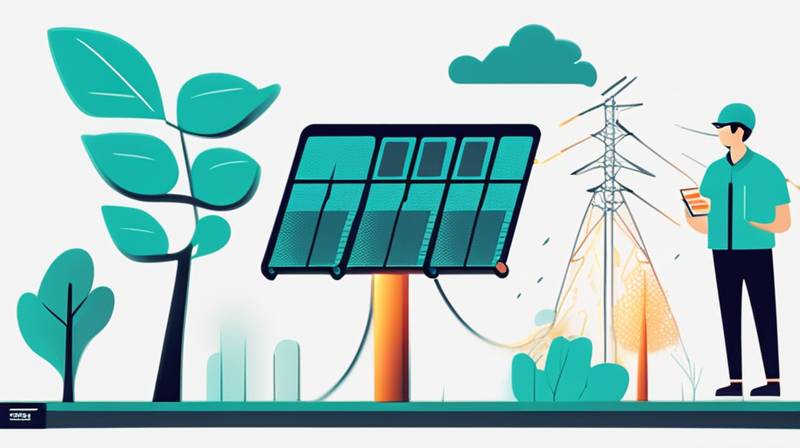
1. Introduction to the Environmental Benefits of PV Technology
Photovoltaic (PV) technology, commonly recognized for its ability to convert sunlight into electricity, presents significant environmental advantages that extend beyond mere energy production. 1. Reduction of greenhouse gas emissions, 2. Decrease in water consumption, 3. Minimization of land degradation, 4. Promotion of sustainable energy solutions. Among these, the reduction of greenhouse gas emissions stands out due to its immediate and long-lasting impact on climate change mitigation. PV technology plays a vital role in lowering the carbon footprint by substituting fossil fuels with a cleaner energy source. This shift is crucial because traditional energy generation methods release substantial quantities of carbon dioxide and other greenhouse gases into the atmosphere, contributing to global warming. In contrast, solar energy harnessed through PV systems is virtually zero-emission during operation, paving the way for a more sustainable future.
1. REDUCTION OF GREENHOUSE GAS EMISSIONS
The adoption of photovoltaic technology facilitates a remarkable decrease in greenhouse gas emissions, which are a primary driver of climate change. By generating electricity from sunlight, PV systems provide an alternative to fossil fuel combustion, which is responsible for the majority of global carbon emissions. This transition is imperative for achieving the ambitious climate targets set by various international agreements.
Fossil fuel-based energy generation contributes significantly to air pollution, which harms both ecological systems and human health. Transitioning to clean energy sources like PV technology drastically cuts the amount of carbon dioxide (CO2) and methane (CH4) released into the atmosphere. PV systems produce electricity without generating these harmful emissions during their operational lifespan. Furthermore, studies indicate that the lifecycle emissions associated with manufacturing, installing, and maintaining solar panels are significantly lower than those of fossil fuel-generated electricity.
The impact of solar energy utilization on mitigating climate change is profound. According to the International Energy Agency, increased PV capacity has the potential to reduce global CO2 emissions by several gigatons annually, significantly contributing to the goal of limiting global temperature rise. Moreover, as technology advances and manufacturing processes become more efficient, the emissions associated with the lifecycle of solar panels are anticipated to decrease even further, enhancing their environmental benefits.
2. REDUCTION OF WATER CONSUMPTION
Another substantial environmental benefit that PV technology offers is its minimal water consumption compared to conventional energy generation methods. Traditional power plants, such as coal, natural gas, and nuclear facilities, require significant amounts of water for cooling processes and steam generation. This high water demand can lead to depletion of local water resources and has adverse effects on aquatic ecosystems.
In contrast, photovoltaic systems operate predominantly in a dry state, utilizing sunlight to generate electricity without any need for water during the electricity generation phase. Studies indicate that solar energy production consumes 98% less water than the average fossil fuel power generation method. The reduced water usage is particularly significant in arid and semi-arid regions, where water scarcity poses a severe challenge to local communities and ecosystems.
Furthermore, the decreased reliance on water-intensive energy sources translates into reduced stress on water supply systems, thereby promoting conservation efforts in areas where water resources are limited. This is beneficial not just for the environment but also for human populations that depend on these resources for agriculture and daily living. The move towards PV technology supports sustainable development by ensuring that energy demands do not compromise essential natural resources.
3. MINIMIZATION OF LAND DEGRADATION
Land degradation is another pivotal concern related to energy production. Traditional energy sources often require extensive land use for extraction, drilling, and mining, significantly altering landscapes and destroying habitats. In contrast, photovoltaic technology can be integrated seamlessly into existing structures, significantly decreasing its ecological footprint.
Solar panels can be installed on rooftops, parking lots, and even in agricultural fields, minimizing the need for dedicated land for power generation. This integration allows for dual land use, where agricultural productivity can continue alongside solar power generation. For instance, agrivoltaics—a practice combining agriculture with PV panels—achieves the dual goals of food production and renewable energy generation on the same parcel of land, leading to increased land efficiency.
Moreover, when utility-scale solar farms are established, responsible site selection can further mitigate potential land degradation. These projects can often be placed on previously disturbed lands, such as brownfields or contaminated sites, which do not compete with agricultural needs or natural habitats. By promoting careful planning and placement of solar arrays, PV technology can help preserve vital ecosystems and biodiversity while providing clean energy.
4. PROMOTION OF SUSTAINABLE ENERGY SOLUTIONS
Photovoltaic technology is a cornerstone of the transition to sustainable energy systems. As the demand for energy increases globally, the urgency to shift from fossil fuel dependence to renewable energy sources has never been more pressing. PV technology not only addresses energy needs but also fosters energy independence and security.
The decentralized nature of solar energy generation enables communities and individuals to produce their own electricity, reducing reliance on centralized power plants and the vulnerabilities inherent within such systems. This decentralization is particularly empowering for remote or underdeveloped areas where access to traditional electricity grids is limited or nonexistent.
Moreover, innovation within the PV sector continues to drive advancements that bolster the environmental benefits of solar energy. Breakthroughs in solar cell efficiency, energy storage solutions, and smart grid technologies are revolutionizing how solar energy is harnessed, stored, and consumed. These innovations promise to enhance the affordability and accessibility of PV technology while simultaneously amplifying its positive environmental impact.
Through enhanced public policy, supportive regulations, and continuous research, the potential for PV technology to contribute to a sustainable future becomes increasingly viable. Governments and organizations worldwide are recognizing the role of solar energy not merely as an alternative but as a necessity for sustainable development, addressing climate change, and ensuring energy security.
FAQs
WHAT ARE THE MAIN ENVIRONMENTAL IMPACTS OF PV TECHNOLOGY IN THE MANUFACTURING PROCESS?
The manufacturing process associated with photovoltaic technology can have environmental ramifications, primarily involving the extraction of raw materials, energy consumption, and waste generation. Production begins with the extraction of silicon, a key component, which requires mining and significant energy usage. The energy consumed during this phase can lead to greenhouse gas emissions, although advancements in manufacturing efficiency and the use of renewable energy have progressively mitigated these impacts.
Nevertheless, while there are environmental concerns linked to the manufacturing stage, the overall lifecycle emissions of solar panels remain considerably lower than traditional fossil fuels. Furthermore, improvements in recycling and waste management practices are minimizing negative effects on the environment. Emerging technologies in PV production aim to use less toxic materials and generate fewer byproducts, thus reducing the overall ecological footprint.
HOW DOES PV TECHNOLOGY CONTRIBUTE TO JOB CREATION AND ECONOMIC GROWTH?
The proliferation of photovoltaic technology significantly contributes to job creation and economic development across various sectors. The solar energy industry requires a diverse workforce, ranging from research and development to manufacturing, installation, and maintenance. According to reports, the U.S. solar sector alone created hundreds of thousands of jobs in recent years, with projections for growth continuing as solar adoption increases.
Investment in renewable energy infrastructures also fosters local economies, particularly in regions where solar farms are developed. Beyond direct employment, ancillary services like logistics, financing, and legal support associated with solar projects contribute to economic stimulus. Moreover, as solar energy becomes increasingly cost-competitive, the economic viability of PV technology enhances, leading to sustainable growth in green job markets.
HOW CAN PV TECHNOLOGY BE INTEGRATED INTO URBAN ENVIRONMENTS?
Integrating photovoltaic technology into urban environments presents both challenges and significant opportunities. Urban spaces often feature complexities like limited land availability, but buildings, rooftops, and underutilized structures can serve as efficient locations for solar installations. Retrofitting existing buildings with solar panels can transform urban infrastructure into energy producers, which is beneficial for reducing overall greenhouse gas emissions.
Moreover, innovations such as building-integrated photovoltaics (BIPV) allow solar cells to be incorporated directly into architectural elements like windows and facades, enhancing aesthetics while producing renewable energy. Community solar programs also provide opportunities for city dwellers to invest in shared solar projects, facilitating access to clean energy without requiring individual installations. These strategies highlight the synergy between urban development and sustainability, enabling cities to lead the way in advancing green technology.
The environmental advantages associated with photovoltaic technology are monumental, extending far beyond its basic function of converting sunlight into electricity. A substantial reduction in greenhouse gas emissions, significantly less water consumption compared to conventional energy methods, minimized land degradation, and the promotion of sustainable energy solutions are among the key benefits. The transition to solar energy mitigates climate change impacts, efficiently conserves vital natural resources, and supports a robust economy through job creation.
Investing in photovoltaic technology not only addresses immediate energy needs but also fosters long-term sustainability through innovative approaches, community engagement, and ecological responsibility. As the world shifts away from fossil fuels and towards renewable energy, embracing PV technology becomes evident as both a necessity and an opportunity for a cleaner, more sustainable future. The path forward involves collective action—government policies favoring solar adoption, community awareness campaigns, and ongoing research and innovation in the sector. As society pivots towards renewable solutions, the environmental benefits of PV technology will continue to unfold, paving the way for a harmonious blend of energy needs and ecological preservation.
Original article by NenPower, If reposted, please credit the source: https://nenpower.com/blog/how-to-analyze-the-environmental-benefits-of-pv-technology/

