

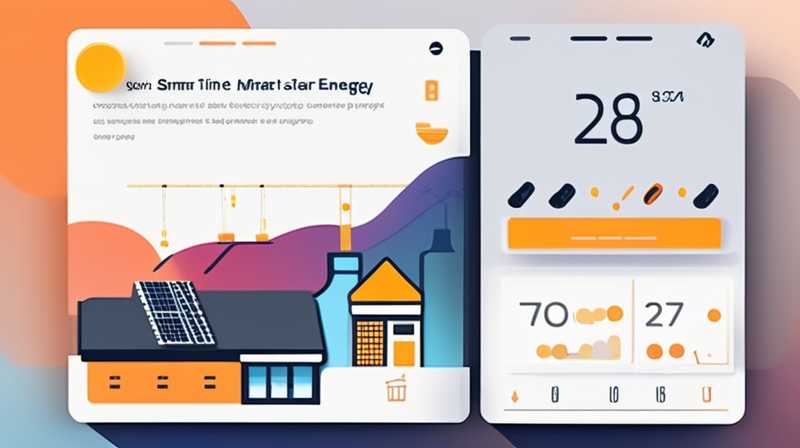
1. Properly adjusting the time of smart solar energy systems entails three key steps: 1) Recognizing the importance of synchronization with solar irradiance, 2) Implementing advanced software solutions for precise control, 3) Utilizing user feedback to enhance performance. This process is pivotal for optimizing energy harvesting and ensuring efficient operation. A detailed examination reveals that synchronization with environmental conditions permits maximal efficiency of solar energy systems, which leads to significant savings in energy consumption and cost reductions over time. By meticulously adjusting the timing of energy harnessing and consumption, users can experience improved overall functionality and extended longevity of their solar installations.
UNDERSTANDING SMART SOLAR ENERGY TIMING
SIGNIFICANCE OF TIMING ADJUSTMENT
The efficient operation of smart solar energy systems relies heavily on the timely adjustment of energy collection based on various external factors. Successful timing adjustment is intrinsically linked to the geography and solar irradiance levels. Varying patterns of sunlight throughout the day dictate the necessary adjustments in energy harvesting activity, allowing for optimal productivity. Further examination reveals that each solar installation site is unique, influenced by local climate, position relative to the sun, and the physical environment. Hence, recognizing and accommodating these variations is vital for maximizing energy efficiencies.
Moreover, efficiency in solar energy is not solely about capturing the most sunlight but also involves the explicit timing of energy usage. Scheduled consumption in harmony with peak generation periods can lead to significant energy savings. This necessitates an intricate understanding of both the solar cycle and the energy needs of the property, highlighting the essential nature of aligning energy production with consumption.
BENEFITS OF TIMELY ADJUSTMENTS
Fine-tuning the timing of solar energy systems presents an array of benefits that should not be overlooked. Enhanced energy efficiency is one of the most discernible advantages. By appropriately adjusting the collection periods of the solar panels based on real-time weather conditions and daylight hours, systems can harness more energy, resulting in improved return on investment. This means that users can trust that their energy systems are not only harnessing energy optimally but are also more eco-friendly in their operations.
Furthermore, cost savings are nearly guaranteed through timely adjustments. When systems are calibrated to match the energy supply with real-time energy demands, excess energy generation can be minimized, which translates to lower utility costs and reduced need for battery storage. Such financial benefits can dramatically reduce the payback period of solar investments, making these systems even more appealing to potential users.
TECHNIQUES FOR OPTIMAL TIME ADJUSTMENT
SOFTWARE SOLUTIONS
In today’s high-tech landscape, various software tools are available to facilitate precise timing adjustments in solar energy systems. Advanced algorithms track changes in sunlight exposure and environmental conditions, allowing for real-time adaptations. This level of precision ensures that solar panels operate at peak performance, reflecting the continual evolution of smart technology within the renewable energy sector.
A notable advancement is the integration of machine learning and artificial intelligence. These technologies analyze massive volumes of environmental data and identify trends that might be missed by human operators, leading to more informed decisions about when to collect energy. Such data-driven approaches not only optimize performance but also contribute to the sustainability goals imperative in modern society.
USER INTERFACE INFLUENCE
The user interface of solar systems also contributes significantly to effective timing management. Intuitive and user-friendly interfaces allow users to tweak settings on-the-fly, offering the flexibility to manually override automated systems when needed. Additionally, many interfaces provide analytical tools that offer insights into performance history, revealing the best times for energy collection and allowing users to plan accordingly.
Empowering users with control features means they can tailor their systems to better meet their specific energy needs. The adaptability provided by modern solar technology encourages consistent monitoring and proactive adjustments, ultimately leading to enhanced performance.
STRATEGIES FOR IMPLEMENTATION
USER EDUCATION
Implementing successful time adjustment strategies necessitates comprehensive user education. Training users about the fundamentals of solar energy collection and the importance of timing can help cultivate better practices in energy management. Workshops, guided tutorials, and informational resources can assist users in fully understanding the functionalities of their systems.
Education extends beyond just technical know-how; it encompasses understanding the broader implications of energy efficiency on sustainability. Users who grasp the relationship between their energy choices and environmental impact are more inclined to adjust their systems wisely, leading to widespread benefits for both individuals and communities.
REGULAR MAINTENANCE
Ensuring regular maintenance is another pivotal aspect of timing adjustments. Maintenance routines should include regular inspections and recalibrations of solar panels to adapt to changing environments and to ensure that energy systems operate at peak efficiency. This ongoing investment of time and resources leads to better long-term performance and energy savings.
Moreover, collaboration with experienced solar technicians can yield insights into potential areas for improvement. Experts can provide tailored advice and assistance in optimizing the settings of solar energy systems, resulting in lasting benefits for users.
FAQ SECTION
WHAT ARE THE FACTORS THAT AFFECT SOLAR ENERGY HARVESTING?
Solar energy harvesting is governed by a myriad of factors. The geographical location of the solar panels plays a significant role, as areas receiving more direct sunlight will naturally yield higher energy outputs. Additionally, climatic conditions, such as cloud cover and precipitation rates, can hinder solar generation efficiency. The angle of the solar panels — their tilt and orientation towards the sun — also greatly influences energy capture, requiring regular adjustments during different seasons to maintain optimal performance. Finally, advancements in technology continue to improve how these systems react to surrounding conditions, ensuring that they can adapt to fluctuations in energy production adequately.
HOW DOES USER FEEDBACK IMPROVE SOLAR ENERGY SYSTEMS?
Incorporating user feedback is vital for enhancing solar energy systems. Feedback loops enable the collection of valuable data from user experiences, allowing companies to refine their systems for improved operations. This continuous cycle of user input and technological iteration helps address real-world usage concerns, improving system efficiency and user satisfaction over time. For example, if users report that adjustments during specific times yield suboptimal performance, manufacturers can analyze the technical specifications and make necessary adjustments or firmware updates to mitigate these concerns.
Moreover, feedback also fosters a community of users who can share insights and tips, further informing others. This shared knowledge base empowers future users to maximize their systems and fosters a collaborative approach to energy efficiency.
HOW CAN I DETERMINE IF MY SYSTEM IS OPERATING EFFECTIVELY?
Monitoring the effectiveness of solar energy systems requires careful observation of various performance indicators. Users should routinely check energy output logs and compare actual production to projected benchmarks. Any significant discrepancies could indicate underlying issues such as shading, dirty panels, or mechanical malfunctions. Furthermore, utilizing specialized monitoring software can streamline this process by offering real-time analytics, graphs, and alerts regarding system performance.
Additionally, setting up a regular maintenance schedule with professional technicians is crucial. Crafting a systematic approach to evaluating performance and potential adjustments ensures systems remain optimized for longevity and efficiency. By taking proactive measures, users can safeguard their investments and enhance overall energy generation.
Optimally adjusting the time of smart solar energy systems is an intricate process that demands a well-rounded approach. Through understanding the significance of timing, embracing cutting-edge software, and implementing effective educational practices, users can ensure that their solar systems function at peak levels. This process not only aids in maximizing energy capture and minimizing costs but also contributes to the broader goals of sustainability and eco-friendliness that are necessary in today’s world. When users remain engaged with their systems and utilize available technologies, they truly harness the full potential of their investments in solar energy, paving the way for improved performance and long-term efficiency. In an era where renewable energy is becoming increasingly vital, the mastery of time adjustments in solar energy systems is a skill that will benefit users, their communities, and the environment alike.
Original article by NenPower, If reposted, please credit the source: https://nenpower.com/blog/how-to-adjust-the-time-of-smart-solar-energy/

