

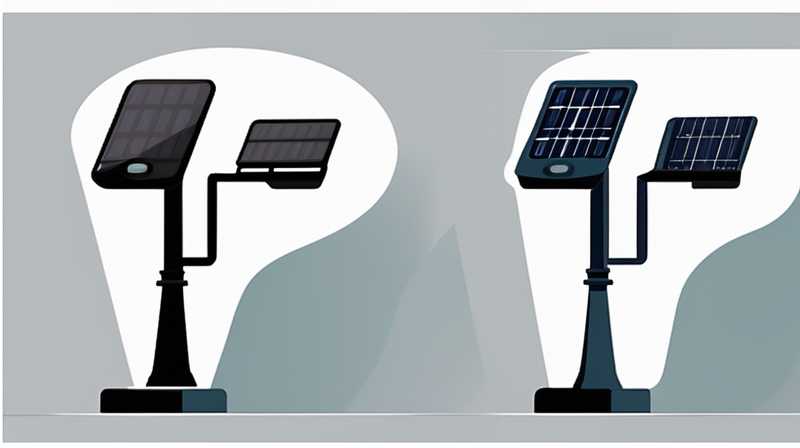
1. Determine the optimal positioning of the solar-powered post lights for maximum sunlight exposure, 2. Adjust the angle of the solar panel if applicable, 3. Ensure that the lights are installed at the appropriate height, 4. Regularly check for debris and clean the panels to maintain performance.
When it comes to enhancing your entrance with solar-powered post lights, achieving optimal performance is essential. Firstly, the positioning of the lights plays a crucial role. These lights must be placed where they can capture the maximum amount of sunlight throughout the day. Consider elements such as the landscape, nearby trees, and structures that may cast shadows, minimizing sunlight exposure. Secondly, the angle adjustment of the solar panels can significantly influence their efficiency. Many solar post lights come equipped with adjustable panels. The angle should be optimized especially for seasonal variations to ensure that the panels receive direct sunlight. Furthermore, the height of installation matters too. Post lights should be mounted at a height that provides adequate illumination without obstructing the view or causing glare. Lastly, regular maintenance checks will keep the solar panels free of debris, enhancing their performance. Cleaning the panels of dirt, leaves, and other obstructive materials ensures they operate at peak efficiency.
1. UNDERSTANDING SOLAR-POWERED POST LIGHTS
Solar-powered post lights have gained significant traction in contemporary landscape and entrance design. Utilizing renewable energy, these lights offer an eco-friendly solution to outdoor illumination. They operate through solar panels that absorb sunlight during the day, subsequently converting this energy into usable power that lights the fixture at night. The benefits of solar lighting extend beyond simple energy savings; they also provide versatility, ease of installation, and reduced reliance on electrical wiring.
While many may perceive solar lights as a straightforward solution to outdoor ambiance, understanding their mechanics is paramount. Solar lights are equipped with photovoltaic cells that harness solar energy. The sunlight collected during the day charges batteries within the unit, allowing for illumination at night. This technology presents an opportunity for homeowners to reduce electricity costs and contribute to a more sustainable environment. Nevertheless, proper usage hinges on adjustments for optimal functionality. For instance, the sunlight’s angle changes throughout the seasons, and positioning the lights accordingly is crucial to ensure they operate effectively.
2. OPTIMUM POSITIONING FOR SOLAR-POWERED POST LIGHTS
The integration of solar-powered post lights necessitates thoughtful placement to maximize their effectiveness. Determining the right location involves evaluating the surrounding environment. Factors including tree placement, building shadows, and elevation can dramatically affect the amount of sunlight the solar panels receive. Additionally, consider the aesthetic aspects—while functionality is crucial, the visual appeal of the entrance should remain intact.
Conducting a thorough analysis of sun exposure during different times of the day is essential. In certain seasons, the sun’s path alters significantly, potentially impacting solar panel efficiency. For instance, in winter months, the sun may rise and set at different angles compared to summer; this is critical knowledge for positioning lights. Think about experimenting with temporary placements prior to installation. Observing how sunlight falls on proposed locations will provide insight into the most efficient arrangement.
Furthermore, solar post lights can be grouped creatively to enhance illumination across an entrance or pathway. By determining focal points, it becomes possible to amplify the aesthetic presence while ensuring that functional lighting needs are met. This holistic approach allows for an environment that is both visually appealing and practical.
3. ADJUSTING ANGLE AND HEIGHT OF INSTALLATION
Adjusting the angle of the solar panels is a pivotal step that can significantly boost functionality. Most modern solar lights incorporate adjustable panels designed to catch the sun’s rays. Positioning the panel at an optimal angle, particularly during the equinoxes and solstices, can lead to substantial energy gains. Seasonal adjustments may involve tilting solar panels towards the sun in summer for extended illumination hours, while winter adjustments might be directed lower to strike the sun’s trajectory effectively.
Another critical element in the light’s performance involves installation height. The recommended installation altitude varies per light model, but a standard height generally ranges between 24 to 48 inches. This height not only governs the light’s ability to illuminate effectively but can also affect the light’s aesthetics. Installation too high may project light too far, resulting in pool lighting with obvious dark areas, whereas positioning the lights too low may produce glare or obstruct pathways.
In addition to height, the orientation matters. Facing the light in the appropriate direction, aligned with entrance pathways or entry points, maximizes safety and navigational ease. Outlining pathways with lights can also provide a richer, more welcoming ambiance, encouraging visitors while enhancing overall security.
4. MAINTAINING SOLAR POST LIGHTS
The final step in ensuring long-lasting success with solar-powered post lights centers around regular maintenance checks. Long-term efficiency of solar lights is directly tied to how well they’re maintained. To start, perform monthly inspections of the solar panels. Clean them of any dirt or debris that can accumulate over the years. A damp cloth or sponge can effectively remove build-up without damaging the solar cells.
In addition to cleaning, it’s worthwhile to periodically replace or recharge batteries, especially if they exhibit diminished performance. Batteries typically have a predefined lifespan; most solar lights operate with rechargeable nickel-cadmium (NiCd) or lithium-ion batteries. Assessing battery health periodically can prevent lighting failures. Should performance not improve after maintenance and battery replacements, it may be time to consider a complete fixture replacement.
Furthermore, the surrounding environment should be evaluated regularly for new obstacles that may affect performance. Plant growth or newly erected structures may inadvertently create shade over time. Being proactive in this regard helps mitigate inefficiencies, ensuring that energy consumption remains low and light output high.
5. WEATHER FACTORS AFFECTING PERFORMANCE
Weather phenomena can dramatically impact how solar-powered lights perform. Cloud cover is one such element—while sporadic clouds may not significantly impede sunlight, prolonged periods of overcast days can reduce solar efficiency. Homeowners in regions prone to extensive cloud cover may need to consider installing supplemental lighting or selecting fixtures with enhanced solar coefficients for better performance under varying conditions.
Moreover, seasonal temperature fluctuations can affect battery efficiency. Extreme hot or cold weather can impede the battery’s capacity to hold a charge. Thus, using high-quality batteries specifically designed to withstand variable temperatures is an excellent preventative measure. In areas with significant temperature shifts, homeowners should consult product specifications to determine suitable solar lights designed for longevity in such climates.
Additionally, rainfall and snow can impact the functionality of solar lights. Ensure that the features are rated for water resistance to avert damage during snow or heavy rains. Water-resistant enclosures can protect the internal components, thus enhancing overall durability.
FREQUENTLY ASKED QUESTIONS
WHAT ARE THE BENEFITS OF SOLAR-POWERED POST LIGHTS?
Solar-powered post lights offer numerous advantages. Firstly, they provide substantial energy savings, leveraging renewable energy to reduce reliance on traditional electrical sources. This not only lowers energy bills but also minimizes individual carbon footprints, making them an eco-friendly choice. Secondly, their installation is highly convenient. Most options on the market do not require any complicated wiring, meaning homeowners can easily install them, promoting DIY engagement. Furthermore, solar lights can be placed in remote areas that are unsuitable for conventional electrical connections. Lastly, many modern solar lights come equipped with advanced features, such as motion sensors and adjustable brightness settings, ensuring tailored illumination that meets the homeowner’s needs.
HOW LONG DO SOLAR-POWERED POST LIGHTS LAST?
The lifespan of solar-powered post lights can vary based on the quality and components used in their design. Generally, high-quality solar lights can last anywhere from five to ten years, with some manufacturers even offering extended warranties. The photovoltaic panels often retain their functionality for a longer period; however, the batteries, which comprise the most susceptible component, may need periodic replacements every two to three years. Moreover, keeping solar panels clean and properly maintained can extend their lifespan, maintaining efficiency over time. Homeowners should routinely inspect functionality and make necessary adjustments to prolong their investment.
CAN SOLAR LIGHTS WORK IN WINTER?
Indeed, solar post lights can operate in winter, but their performance often relies on prevailing weather conditions. During months with short daylight hours and overcast skies, solar lights may face performance challenges. However, higher-quality models designed for colder climates typically incorporate features that greatly enhance their capability. Solar panels should be positioned for optimal sun exposure, angled appropriately, and kept free from snow and ice build-up to maximize effectiveness. Regularly cleaning the panels ensures they can absorb sunlight efficiently, contributing to their performance even in challenging winter climates.
Solar-powered post lights offer homeowners a sustainable, economical, and aesthetically pleasing solution for outdoor lighting. Proper adjustments regarding placement, angle, height, and maintenance can ensure the lights provide maximum illumination and efficiency. By understanding the operational mechanics of solar lighting and considering environmental factors, individuals can optimize their outdoor spaces while contributing positively to energy conservation. Emerging technologies in solar lighting continue to improve efficiency and adaptability, paving the way for even greater utilization in various applications. Ultimately, the blend of environmental responsibility and stylish outdoor designs can transform entrances into inviting and well-lit spaces, enhancing the overall ambiance and safety for all visitors. Taking proactive steps in installation and caring for these delightful additions not only contributes to an attractive entrance but also champions a greener future. Embracing solar innovations positions homeowners at the forefront of sustainable outdoor lighting solutions while enjoying the various other benefits these technologies offer.
Original article by NenPower, If reposted, please credit the source: https://nenpower.com/blog/how-to-adjust-the-solar-powered-post-lights-at-the-entrance/

