

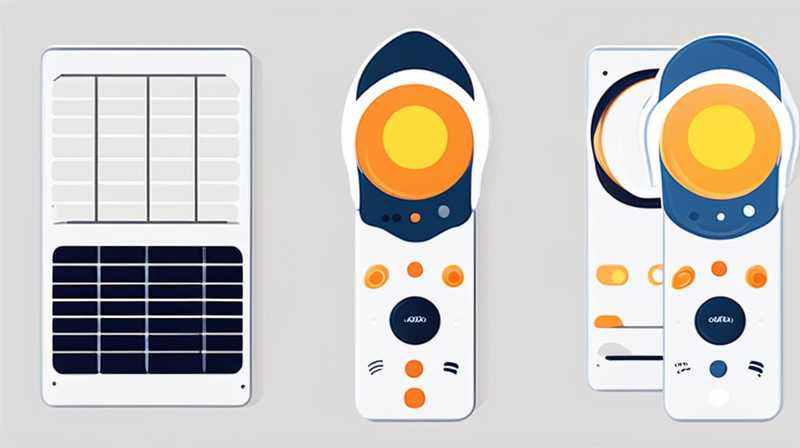
1. Adjusting the remote control panel of a solar light involves several precise steps. First, ensure the solar light is adequately charged, typically requiring direct sunlight for several hours. Second, identify the remote control features, which often include options for adjusting brightness levels and timer settings. Third, synchronize the remote with the solar light by pressing the designated pairing button, typically found on the light. Fourth, follow the specific instructions from the manufacturer, as different models may have unique procedures. Notably, understanding the remote’s functionality is essential, as this will enable better control over the solar lighting system.
- UNDERSTANDING SOLAR LIGHTS AND REMOTE CONTROL FUNCTIONALITY,
In recent times, the integration of remote control technology in solar lights has revolutionized their ease of use. Remote control functionality allows users to adjust various settings without physically interacting with the light fixture itself. This advancement is particularly beneficial for hard-to-reach areas or outdoor settings. A primary advantage of remote-controlled solar lights is adaptability; users can modify brightness and timers according to their preferences, optimizing energy consumption while ensuring ample illumination.
Another critical aspect to consider involves the solar panel’s efficiency. Solar lights generally rely on converting sunlight into energy, allowing them to operate sustainably. The placement of the solar panel directly impacts performance. To achieve maximum efficiency, it is essential to position solar lights in locations with unobstructed sunlight. Similarly, understanding how remote control features interact with the light will help maintain the effectiveness of the light over time. Users should be aware that knowingly or unknowingly impacting energy capture or storage can diminish the light’s brightness or operational time, thus impairing the intended benefits of the solar system.
- CHARGING SOLAR LIGHTS FOR OPTIMAL PERFORMANCE,
Before delving into adjustments, ensuring that solar lights are adequately charged is paramount. Most solar lights require several hours of exposure to direct sunlight to achieve an optimal charge. This charge enables the battery within the solar light to power the unit during nighttime or low-light conditions. Factors that can influence charging include seasonal variations, weather conditions, and geographical location.
Understanding the duration required to charge is crucial for users. Depending on the brand and model, most solar lights will reach full battery capacity within 6 to 10 hours of sunlight. It is advisable to monitor charging times, especially at different times of the year or in varying weather conditions. Solar lights exposed to shade or installed in improperly lit areas will likely underperform. To enhance lighting duration, positioning the solar panel to receive direct sunlight throughout the day is essential. Regularly cleaning the solar panel can also improve charging efficiency, as dust or debris may obstruct sunlight, thereby limiting the solar cell’s performance.
- EXPLORING REMOTE CONTROL OPTIONS,
Remote controls for solar lights come equipped with diverse functions, enhancing user control over the lighting system. Common features include adjusting brightness levels, setting timers, and turning the lights on or off. These functionalities not only optimize the lighting experience but significantly contribute to energy conservation efforts.
When considering brightness settings, it is beneficial to note the intensity required for specific situations. Users may prefer dim settings for ambiance or brighter levels for security purposes. Utilizing timers also proves advantageous, as it allows lights to operate only during specific hours, further conserving energy. Reviews by users often highlight the convenience of controlling lights remotely; by having complete oversight, individuals can manage the ambiance or security of their space efficiently. Mastery of the remote control panel’s options can enhance satisfaction and provide an engaging interaction with the solar lighting system, making it feel custom-tailored to user preferences and needs.
- CONNECTING AND SYNCHRONIZING THE REMOTE CONTROL,
Establishing a connection between the remote and the solar light is a critical step that ensures functionality. Most systems will require a specific synchronization process, often initiated by pressing a pairing button found on the light fixture. Following the manufacturer’s instructions is vital for seamless operation.
Each solar light model will have its own synchronization protocol, involving pressing a button on both the light and remote control. This specific coding ensures that the remote is properly connected to the intended solar light unit. Users may experience challenges if they neglect to follow the established steps. If synchronization fails, referring to the instruction manual can provide guidance and troubleshooting steps to resolve potential issues. Ensuring the remote is functioning effectively is key to avoiding frustrations and maximizing the user experience with solar light systems.
- ADJUSTING SETTINGS FOR PERSONALIZED USAGE,
Once the solar light is adequately charged and the remote is successfully synchronized, users can adjust settings to meet their preferences. Customization is one of the most compelling benefits of utilizing remote-controlled solar lights. Depending on the activity or atmosphere desired, adjustments can optimize the lighting’s presentation.
The personalized usage approach allows for responsive control over lighting conditions. For instance, during social gatherings or outdoor events, users may prefer higher brightness levels, while quieter evenings might warrant lower settings for ambiance. In addition to brightness, timer settings can also contribute to a more personalized lighting experience. Maintaining anticipated lighting conditions fosters a positive and conducive atmosphere while promoting efficient energy usage.
- SOLAR LIGHT MAINTENANCE FOR LONGEVITY,
The lifetime of solar lighting units depends significantly on routine maintenance and proper handling. Regular inspection and maintenance should aim to identify any barriers that may hinder optimal performance. Ensuring that solar panels remain clean, unshaded, and functioning optimally guarantees longevity and efficacy.
Users should routinely check for any accumulated debris on the solar panel, particularly after windy or stormy weather. Utilizing soft cloths or gentle brushes can effectively clean the surface without damaging internal components. Additionally, inspecting battery function and replacing it when necessary can prevent significant drops in performance. Prioritizing maintenance provides the confidence that the solar lighting system remains effective over an extended period.
- SOLAR LIGHT INSTALLATION GUIDELINES,
When installing solar lights, it is crucial to take into account environmental and spatial factors. Users should focus on installation height and overall positioning to optimize energy capture and effectiveness. Proximity to existing light sources or reflections may significantly affect performance.
Another consideration involves installation surfaces, particularly for alternative outdoor settings such as gardens or pathways. Sturdy mounting on stable ground will diminish risks associated with weather elements. Consulting user manuals for specific installation instructions can ease concerns regarding the initial setup while ensuring that the lights operate effectively once installed.
- TROUBLESHOOTING COMMON ISSUES,
Despite having undergone proper installation and setup, occasional issues may arise concerning the solar light operation. Identifying common problems early can facilitate more effective solutions. Problems may range from insufficient lighting due to low battery charge to connectivity issues with the remote.
Often, poor performance can stem from inadequate sunlight exposure on the solar panel. In situations where performance fluctuates, revising the placement of the solar lights might be necessary to ensure they receive optimal sunlight. If issues persist, users should also verify whether any obstructions block the solar panels or the infrared signal for remote controls.
FAQs
WHAT FACTORS AFFECT SOLAR LIGHT CHARGING?
Several key elements influence the charging efficiency of solar lights. Most predominantly, direct sunlight exposure is crucial. Solar panels are designed to capture solar energy, and any shading from trees, buildings, or even dirt can significantly reduce their effectiveness. Seasonal changes also play a role; during winter months, sun intensity diminishes, impacting energy capture. Furthermore, geographical location is fundamental; areas with limited sun exposure naturally result in less charging efficiency. Considering the angle and orientation at which solar lights are installed could also optimize performance. Angling solar panels towards the sun will enhance energy absorption. Lastly, periodically maintaining the cleanliness of solar panels will ensure maximum effectiveness.
HOW CAN YOU MAINTAIN SOLAR LIGHTS FOR GREATER LONGEVITY?
To maximize the lifespan of solar lights, regular maintenance is paramount. Cleaning solar panels at least every few months can prevent dirt or debris from obstructing sunlight access. Equally as important is inspecting batteries regularly. Over time, rechargeable batteries can lose efficiency, requiring replacement to ensure continuous performance. Additionally, it is advisable to assess the structural integrity of solar lights, checking for any signs of wear or damage, which can result in malfunction. Users should also be aware of extreme weather conditions, as intense storms or snow can impact installation stability. Ultimately, regular monitoring facilitates increased performance, ensuring prolonged effectiveness and longevity.
WHAT SHOULD YOU DO IF THE REMOTE CONTROL DOES NOT WORK?
If the remote control is unresponsive, consider the potential factors contributing to this issue. First, verify if the batteries in the remote are functioning correctly, as low power can lead to connectivity problems. Replacing the batteries might resolve the issue. Next, check if the remote is correctly synchronized with the solar light; repeating the pairing process may be necessary if previous attempts failed. Furthermore, ensure that there are no physical barriers or excessive distance between the remote and the solar light, as these factors can hinder signal transmission. If problems persist, consulting the manufacturer or referring to the instruction manual could provide additional troubleshooting steps.
Keeping solar lights functioning optimally through proper adjustments is essential for achieving the desired lighting experience. Proper installation, effective charging, and routine maintenance ensure sustainable performance over time. Therefore, taking proactive measures allows users to harness the best aspect of solar light technology while simultaneously enjoying its practical and aesthetic benefits.
Original article by NenPower, If reposted, please credit the source: https://nenpower.com/blog/how-to-adjust-the-remote-control-panel-of-the-solar-light/

