

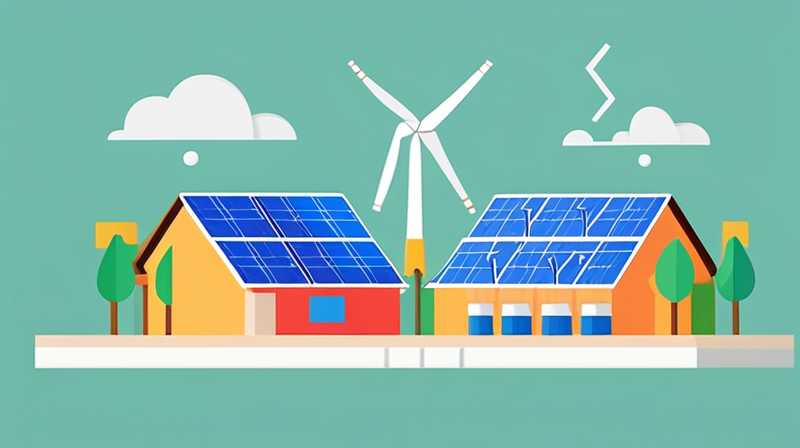
To integrate solar panels with windmills for electricity generation involves a series of systematic steps combined with innovative technologies. Key components to consider include 1. Understanding the need for hybrid systems, 2. Selecting appropriate solar technology, 3. Integrating the systems efficiently, and 4. Maintaining the hybrid setup. One of these aspects that holds significant importance is the understanding of hybrid systems, especially regarding their efficiency and environmental benefits. By synergizing wind and solar energy, one can harness renewable resources more effectively, ultimately achieving a more sustainable energy model. The combination leverages the strengths of each technology—reducing reliance on fossil fuels and promoting a greener future.
1. UNDERSTANDING THE NEED FOR HYBRID SYSTEMS
The increasing demand for renewable energy has led to significant advancements in both solar and wind technologies. As each of these systems has unique strengths, combining them into a hybrid model can enhance overall energy production. Hybrid systems not only increase the reliability of power generation but also address the limitations inherent in stand-alone installations. For instance, solar panels are highly dependent on sunlight and perform best in sunny weather. Conversely, wind turbines are most effective during windy conditions, which are often not aligned with sunny days.
This inherent variability presents a compelling case for a hybrid solution. By integrating solar panels into windmill structures, energy can be harnessed regardless of the prevailing weather conditions. Thereby, hybrid systems provide smoother energy output and increased system reliability. Increased efficiency can thus be achieved by capturing energy from both wind and solar resources, thereby diversifying the energy supply.
Moreover, such systems can reduce the overall installation and maintenance costs. Using shared infrastructure—like mounting solar panels on existing windmill towers—can minimize land usage while maximizing energy generation. Thus, implementing hybrid systems becomes an effective strategy not only to enhance energy efficiency but also to achieve economic benefits.
2. SELECTING APPROPRIATE SOLAR TECHNOLOGY
Several solar technologies can be integrated with windmills, each presenting different benefits and challenges. Silicon-based solar photovoltaics (PV), thin-film solar cells, and concentrated solar power (CSP) systems are notable technologies to consider. Silicon-based PV systems are the most widely used and recognized due to their efficiency levels and long lifespan. They can be deployed either on rooftops or as ground-mounted solutions, although the specific integration with windmills primarily favors rooftop-style installations.
Thin-film solar technologies provide a lightweight alternative, ideal for installations on windmills that might have restrictions due to weight. Their flexibility allows for various mounting options, which could be advantageous where traditional PV panels pose constraints. However, the generally lower efficiency of thin-film technologies means a larger area would be needed to generate the same power as silicon-based PV panels.
On another front, CSP systems provide a completely different take on solar energy harnessing. These systems use mirrors or lenses to focus sunlight onto a small area to generate heat, which then produces electricity. While CSP is not typically suited for direct integration with wind turbines due to its physical setup, in large installations consisting of both wind and solar, they could work alongside one another, capturing energy from the sun when wind conditions are low. Evaluating these technologies depends heavily on factors such as geographic location, available space, and initial investment capabilities.
3. INTEGRATING THE SYSTEMS EFFICIENTLY
Once the appropriate solar technology has been selected, careful planning is required for effective integration with windmill systems. The integration process involves various engineering considerations, including electrical systems compatibility, structural integrity, and energy management systems. It is vital to harmonize the electrical output from both solar panels and wind turbines to ensure that the energies produced complement one another seamlessly. Power inverters must be capable of handling the dual-source input to maintain a steady output voltage and frequency. Therefore, appropriate sizing and selection of inverters play a critical role in the overall efficiency and reliability of the hybrid system.
Furthermore, structural engineering must be considered to accommodate the added solar panel weight without compromising the wind turbine’s integrity. Windmill towers that are designed to bear additional loads must have their structural frameworks evaluated and potentially reinforced. Engineers should analyze wind loading and local climate conditions to ensure that the installation can withstand extreme weather events.
Incorporating energy management systems becomes essential for optimizing the energy produced from both sources. Smart grid technology can monitor energy production in real time, allowing for adjustments based on demand, production levels, and storage capacity. This capability ensures that excess energy generated during peak sunlight hours can be stored for later use or fed back into the grid. By efficiently managing the integration of solar and wind technologies, hybrid systems can operate at maximum efficiency, providing reliable energy solutions.
4. MAINTAINING THE HYBRID SETUP
Maintenance of a hybrid system combining solar panels and wind turbines is pivotal for its longevity and operational efficiency. Regular inspections, cleaning of solar panels, and evaluations of mechanical and electrical components are essential practices for ongoing reliability. The unique operational profiles of wind turbines and solar installations often require distinct maintenance protocols.
For solar panels, routine cleaning is necessary to ensure they operate at optimal capacity. Accumulation of dirt, dust, or other debris can significantly reduce the amount of sunlight captured by photovoltaic cells, leading to lower energy output. Regional environmental conditions, such as proximity to busy roads or agricultural fields, may necessitate more frequent cleanings to maintain efficiency.
Wind turbines, on the other hand, have mechanical components that require periodic oiling, inspections, and adjustments to ensure their mechanical systems remain in prime condition. As wind turbines are subjected to extreme environmental conditions, issues such as blade erosion or gearbox wear can arise, demanding attention from skilled technicians. Preventive maintenance ensures that any issues are diagnosed before they lead to significant failures.
In conclusion, to ensure a successful installation of hybrid solar and wind systems, outlining a comprehensive maintenance plan that addresses the unique requirements of each technology is vital. This proactive approach to maintaining the hybrid installation can significantly extend the life of the equipment, maximizing the return on investment and securing a reliable energy output throughout its operational life.
HOW CAN SOLAR PANELS BE ADDED TO WINDMILLS?
To effectively incorporate solar panels into wind turbines, strategic planning must be implemented that considers both electrical integration and structural design. The solar panels can be mounted onto the turbine tower or blades, taking care to ensure the arrangement does not obstruct wind flow or compromise the turbine’s mechanical integrity.
WHAT ARE THE BENEFITS OF INTEGRATING SOLAR PANELS WITH WIND TURBINES?
Hybrid systems combining solar energy with wind power offer varied advantages, including increased energy generation reliability, improved energy security, and reduced dependency on fossil fuels. This method also enhances land-use efficiency, allowing for dual energy generation without additional land requirements.
WHAT KEY FACTORS TO CONSIDER DURING THE MAINTENANCE OF A HYBRID SYSTEM?
Essential components for maintaining a hybrid energy system include effective cleaning of solar panels, periodic inspections of wind turbine components, and monitoring the energy output from both sources. Adopting a rigorous maintenance schedule addressing each technology’s specific needs is essential for ensuring optimal performance throughout the system’s lifecycle.
Understanding how to meld solar power technology with wind turbine systems results in a significant advancement in renewable energy harnessing. Each layer of integration from selection to systematic maintenance entails detailed precision, expert knowledge, and strategic foresight. This imperative synergy not only elevates the energy output but also significantly contributes to mitigating climate change through reduced fossil fuel dependency. By taking advantage of the distinctive benefits offered by both solar and wind resources, hybrid systems pave the way for more sustainable energy solutions. The collaboration of these technologies creates a resilient energy framework capable of adapting to varying climatic conditions while fulfilling energy demands efficiently. Taking steps to establish such hybrid systems is a future-forward strategy that aligns with global energy targets, promoting a transition to renewable, clean energy sources. The possibilities for innovation in this domain are vast, indicating a promising journey toward a cleaner, sustainable energy landscape, capable of powering our needs while preserving the environment for future generations.
Original article by NenPower, If reposted, please credit the source: https://nenpower.com/blog/how-to-add-solar-panels-to-windmills-to-generate-electricity/

