

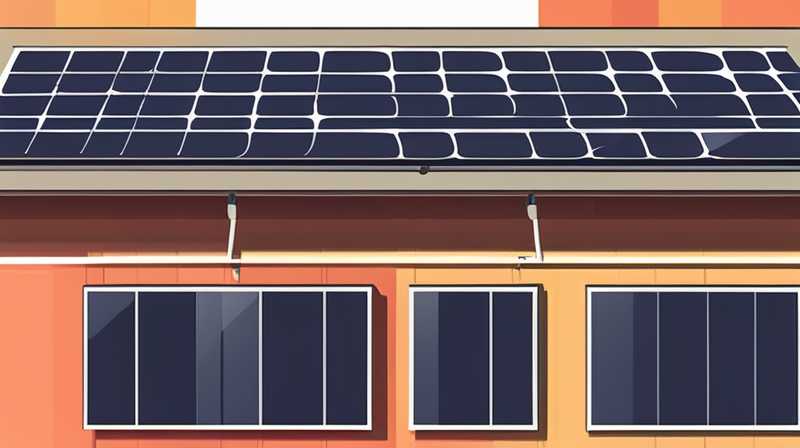
To integrate piping into wall-mounted solar panels effectively, consider the following critical points: 1. Selection of appropriate materials for piping, crucial for ensuring minimal thermal expansion and longevity, 2. Optimization of layout to streamline energy flow, thus enhancing overall efficiency, 3. Installation process, which involves precise measurements to prevent structural damages, and 4. Safety considerations must be at the forefront, ensuring both electrical and structural integrity. One must pay close attention to the selection of materials; utilizing high-grade PVC or metal pipes can significantly enhance durability and performance.
1. MATERIAL SELECTION
Choosing the correct materials is paramount when adding piping to solar panel installations. High-quality materials, such as PVC or metal, provide optimal performance and durability. The selection process should begin by assessing the environmental conditions in which the panels will operate. PVC pipes offer excellent resistance to corrosion and are lightweight, making them easier to handle during installation. However, in extremely high-temperature regions, metal piping may be more suitable due to its capacity to withstand higher thermal expansion rates.
Additionally, when selecting materials, one must consider the thermal properties of the pipes. Materials with low thermal expansion coefficients prevent the pipes from warping in response to temperature fluctuations. Furthermore, evaluating the insulation requirements becomes necessary to ensure that energy efficiency is maximized, mitigating any potential heat loss. For instance, incorporating insulated pipes can significantly reduce energy waste during the transfer of heated fluids in solar thermal systems.
2. LAYOUT DESIGN
The layout of piping directly influences the efficiency of wall-mounted solar panels. A well-considered design optimizes the flow of energy, ensuring minimal resistance during transfer. One effective approach involves placing pipes in a straight line to facilitate easy movement of fluids. Minimizing bends in the piping system reduces the risk of turbulence, which can impede the overall function of the solar energy system.
Moreover, the distance between pipes and panels must be strategically planned. Sufficient spacing allows for adequate airflow around pipes, preventing overheating of fluids transported through them. Furthermore, analyzing the placement of solar panels in relation to sun exposure will ensure that the panels operate at peak efficiency; hence, pipes should be positioned to avoid shadowing the panels, which can diminish their solar absorption capability.
3. INSTALLATION PROCESS
To achieve an effective installation, precise measurements are essential. Tools and techniques for measuring include the use of laser levels and tape measures to ensure accuracy in aligning pipes with solar panels. Each length of pipe should be cut to fit specific dimensions without being too tight or too loose, allowing for adequate movement during thermal expansion. Prioritize employing appropriate fittings and connectors to enhance the seal between joints, thereby mitigating any risk of leaks.
Furthermore, careful attention must be directed to the mounting of pipes. Secure ties or straps can be utilized to attach pipes to the wall or support structures, providing stability against environmental factors like wind or seismic activities. It is essential to follow the manufacturer’s guidelines related to the installation process, ensuring compliance with local regulations regarding solar panel installations. Proper documentation of installation steps and materials becomes critical for future reference or inspection.
4. MAINTENANCE CONSIDERATIONS
Regular maintenance is necessary to ensure the longevity of the solar panel and piping system. Inspecting the integrity of the pipes on a routine basis helps identify any signs of wear or damage, necessitating immediate action to prevent leaks. Cleaning pipes and panels is crucial to remove debris that might block sunlight or hinder the flow of fluids, thereby decreasing efficiency.
During maintenance checks, one should also evaluate the performance of solar panels themselves. If the output dips unexpectedly, it may indicate an issue with the piping, such as blockages or insufficient fluid circulation. Additionally, monitoring temperature within the pipes assists in identifying thermal regulation concerns, allowing for prompt measures to address fluctuations that may affect performance.
5. SAFETY MEASURES
Integrating safety measures during the installation and maintenance of piping and solar panels is indispensable. Ensuring that all electrical connections to the solar power system are appropriately insulated protects against shock hazards. Furthermore, implementing safety barriers around piping systems, particularly in residential areas, minimizes the risk of injury. It is crucial that installers adhere rigorously to safety protocols as outlined by relevant regulatory agencies.
In addition, fire safety measures must be considered during installation, especially if using metal piping, which can heat up swiftly. It is advisable to have fire-resistant materials or covers in place to mitigate potential risks associated with high temperatures and flammable materials. Emergency preparedness plans should also be established to address any unforeseen circumstances in the event of equipment malfunction, ensuring a swift response to protect both property and individuals.
6. OPTIMIZING PERFORMANCE
Enhancing the operational performance of wall-mounted solar panels goes beyond installation; strategic optimization techniques are required. Instrumentation for monitoring the performance of both solar energy generation and fluid temperature within piping can provide valuable data. This information allows for fine-tuning the system, ensuring it operates at maximum efficiency.
Employing smart technology in solar energy systems further aids in performance optimization. Smart sensors can adjust the angle of solar panels based on weather conditions, ensuring they remain aligned with sunlight. Coupled with automated controls for fluid flow, the system can autonomously adapt to changing environment conditions. The integration of such technologies not only maximizes energy production but also extends the lifespan of both solar panels and piping.
7. LEGAL REGULATIONS
Compliance with legal regulations related to solar panel installations is non-negotiable. Local building codes often dictate specific requirements regarding the installation and maintenance of solar energy systems, including piping. Familiarize oneself with relevant documentation and permit requirements, which may involve inspections from local authorities to validate adherence to standards.
Failure to comply with these regulations can result in fines or requirements to dismantle improperly installed systems. It is also advisable to consult with professionals who understand the legal landscape surrounding solar energy installations to avoid any pitfalls. Investing time and resources in learning about and abiding by these regulations not only ensures compliance but promotes long-term viability of the solar energy setup.
8. ENVIRONMENTAL IMPACT
The environmental benefits of solar energy systems are widely celebrated; however, the impact of materials and installation methods also warrants attention. Selecting eco-friendly materials for piping contributes positively to sustainability efforts. Any environmental concerns related to the production and disposal of materials must also be evaluated to maximize the ecological benefits of solar energy systems.
Moreover, enhancing the energy efficiency of solar panels through proper piping will reduce reliance on fossil fuels, significantly impacting overall carbon emissions. Communities investing in solar energy not only benefit economically but also contribute to a healthier planet. Encouraging sustainable practices among solar energy users can stimulate broader environmental initiatives that advocate for renewable energy sources.
9. THE FUTURE OF SOLAR TECHNOLOGY
The advancement of solar technology continues to create exciting opportunities for integration with piping systems. Research into innovative materials and more efficient designs promises to revolutionize solar energy systems further. Emerging technologies, such as photovoltaic paints, may eliminate the need for traditional solar panels entirely, thereby simplifying installations and potentially streamlining piping integration.
As the global demand for renewable energy increases, the collaboration between engineers, environmental scientists, and policymakers will undoubtedly shape the future landscape of solar energy systems. Investing in research and development of new technologies can pave the way for even more efficient solar solutions that promise not only energy independence but also a commitment to sustainable living.
COMMON INQUIRIES
WHAT TYPES OF PIPES ARE BEST FOR SOLAR PANEL INSTALLATION?
The optimal choice of piping materials for solar panel installations primarily includes PVC and metal options. PVC is often favored for its corrosion resistance and lightweight chassis, making it an ideal candidate for residential setups. However, in regions experiencing extreme heat, metal pipes may be preferable to withstand temperature-induced expansion. Assessing specific environmental conditions and thermal performance requirements becomes key in selecting the appropriate piping solution.
HOW CAN I ENHANCE THE EFFICIENCY OF MY SOLAR PANEL SYSTEM?
To boost the efficiency of solar panel systems, one must focus on optimizing the piping layout, incorporating insulation, and minimizing bends. Conducting regular maintenance inspections to identify wear or blockages can significantly prevent reductions in performance. Additionally, adopting smart technologies for monitoring solar energy generation and adjusting system parameters can provide real-time data allowing for proactive adjustments to maximize solar utilization effectively.
HOW OFTEN SHOULD I MAINTAIN AND CHECK MY SOLAR PANEL SYSTEM?
Routine maintenance checks for solar panel systems should occur at least twice a year, ideally in the spring and fall, to prepare for extremes in weather. This schedule allows for thorough cleaning, assessing the integrity of the panels and piping as well as verifying the performance metrics. Additionally, any unusual fluctuations in energy output should prompt immediate inspections to avoid potential long-term issues.
In enhancing the performance of wall-mounted solar panels through effective piping integration, careful consideration of numerous factors is essential. The process commences with the thoughtful selection of materials, as the durability, thermal characteristics, and overall compatibility of the piping play significant roles in the solar system’s longevity and efficiency. Aspects of layout design further dictate how well energy flows between the solar panels and connected piping, thereby influencing performance. Installation and maintenance protocols uphold the integrity and function of solar systems, while adherence to safety measures ensures both user and property protection. Environmental considerations cannot be overlooked, as utilizing sustainable materials aligns with broader ecological goals. Monitoring and optimizing operations ensure that systems run at peak performance, and compliance with legal regulations fortifies the legitimacy of solar energy projects. Ultimately, embracing future technologies will propel the sector towards greater innovations and sustainability. By integrating these multifaceted approaches, individuals and communities can harness solar energy’s full potential, contributing to a cleaner, renewable future.
Original article by NenPower, If reposted, please credit the source: https://nenpower.com/blog/how-to-add-pipes-to-wall-mounted-solar-panels/

