

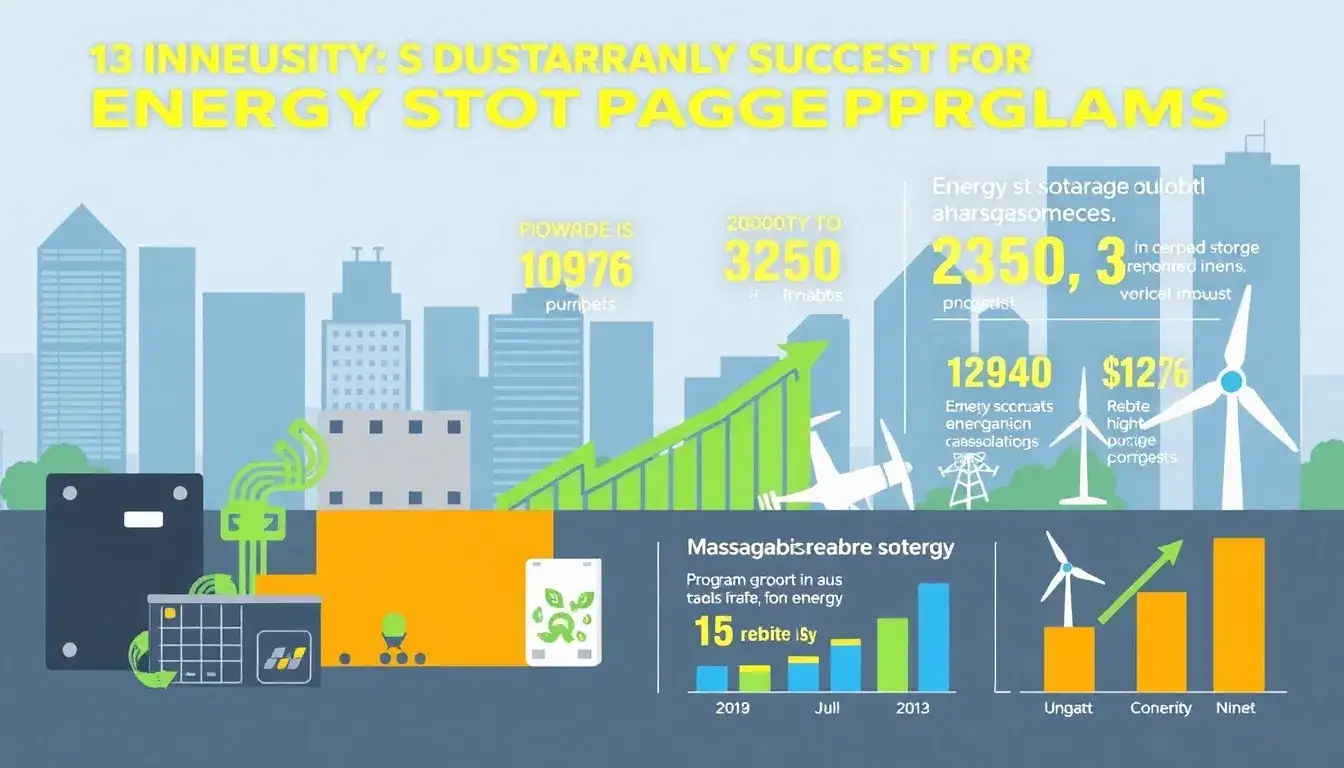
The energy storage rebate programs in Massachusetts have shown significant success, particularly in promoting the adoption of energy storage technologies like batteries. Here are some key points highlighting their success:
Success Indicators
- Early Adoption and Growth: Massachusetts was the first state in the U.S. to emphasize battery storage in its energy efficiency plans, allocating substantial funds for incentives. Programs like the ConnectedSolutions have seen participation nearly double from 2019 to 2020, indicating strong interest and uptake among consumers.
- Cost-Effectiveness and Resiliency: The ConnectedSolutions program has been praised for reducing peak demand costs, enhancing energy resiliency, and contributing to the state’s clean energy goals. It provides incentives for storing electricity during peak demand periods, which benefits both consumers and the grid.
- Integration with Solar: Massachusetts encourages pairing solar systems with battery storage through programs like the SMART program; this combination is proving increasingly popular as it enhances the benefits of solar energy by allowing homeowners to store energy for later use.
Challenges and Future Directions
- Equity and Outreach: Analysts suggest that programs like ConnectedSolutions could benefit from better targeting of underserved communities and more detailed performance metrics to ensure equitable access to benefits.
- Program Expansion and Funding: To meet ambitious clean energy targets, there is a push to scale these programs further by offering higher incentives and longer contract terms.
Overall, Massachusetts’ energy storage rebate programs have been successful in promoting renewable energy integration and energy resilience. However, further refinements are needed to ensure widespread and equitable access to these benefits.
Original article by NenPower, If reposted, please credit the source: https://nenpower.com/blog/how-successful-are-the-energy-storage-rebate-programs-in-massachusetts/

