

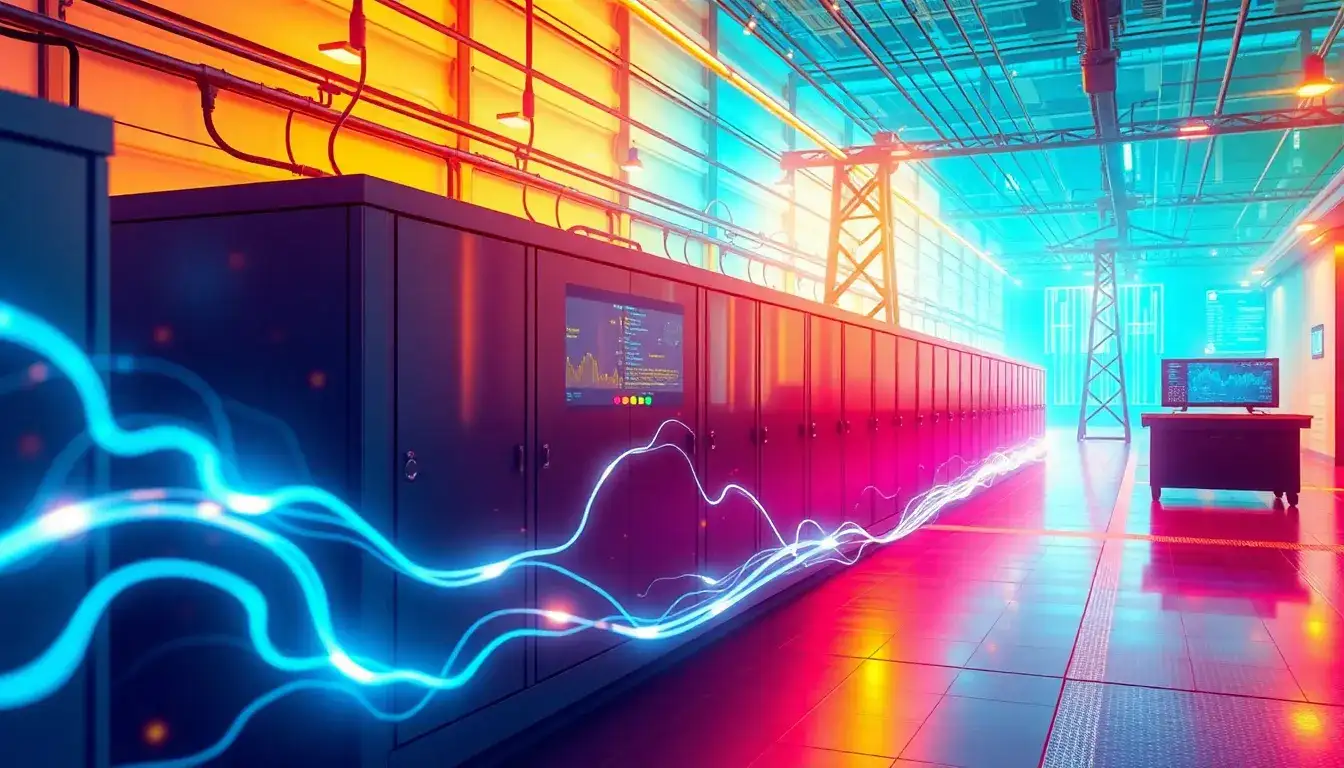
Battery energy storage systems (BESS) can respond to grid fluctuations extremely quickly, typically within milliseconds to sub-second timescales.
- BESS provide rapid response to changes in energy demand or grid frequency, with response times often less than 150 milliseconds achievable. This rapid reaction helps stabilize frequency deviations that signal mismatches between power supply and demand, thereby preventing outages or blackouts.
- Battery systems can adjust their active power output almost instantly, enabling them to provide frequency regulation and other ancillary grid services that require highly responsive power delivery. This is a significant advantage over traditional power generation technologies, which have much slower ramp-up times.
- For example, in Texas, battery storage operators using advanced energy management systems can respond to fluctuations within milliseconds, meeting some of the most stringent fast frequency response (FFR) requirements in the U.S. This capability enhances grid resiliency and reliability during periods of peak demand or supply shortages.
In summary, battery energy storage systems can react to grid fluctuations within milliseconds, often under 150 ms, providing near-instantaneous support to maintain grid stability and balance supply and demand effectively.
Original article by NenPower, If reposted, please credit the source: https://nenpower.com/blog/how-quickly-can-battery-energy-storage-systems-respond-to-grid-fluctuations/

