

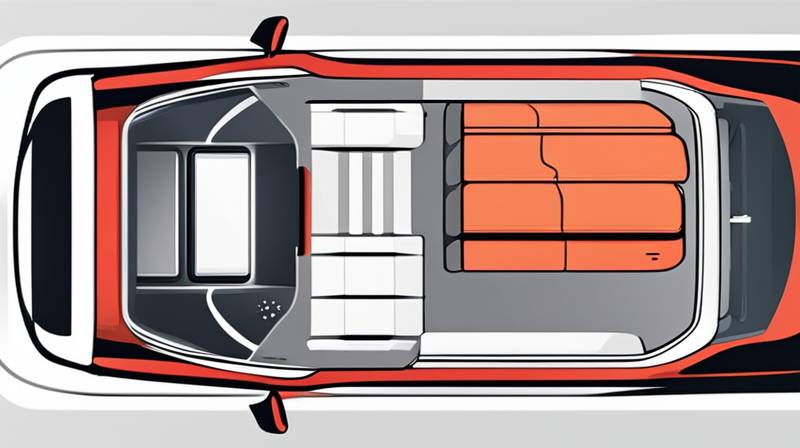
1. The front passenger compartment can hold approximately 15 to 50 gallons of storage space, depending on the vehicle’s design, passenger engagement, and utility requirements. The storage options typically comprise glove compartments, cup holders, door pockets, and specialized trays for small items. 2. The actual usable space can vary significantly based on ergonomic considerations and vehicle classifications. 3. Luxury vehicles tend to prioritize aesthetics and comfort over storage, while utility vehicles often maximize storage efficiency. 4. Understanding the limitations and advantages in various models helps consumers make informed decisions about their ideal vehicle.
1. VEHICLE DESIGN AND STORAGE CAPACITY
The design of a vehicle plays a fundamental role in determining the storage capacity within the front passenger compartment. This environment is generally developed with various compartments, each serving distinct functional purposes. The arrangement of these compartments is critical as it affects both accessibility and usability. An intelligently designed compartment allows users to easily access their essential items without unnecessary distraction while driving.
Space allocation can significantly be influenced by the vehicle’s overall design ethos. For instance, compact cars often feature smaller glove compartments and minimalistic door pockets, prioritizing space for passengers rather than storage. In contrast, SUVs and larger sedans typically provide extensive storage spaces, including deep door pockets, larger glove compartments, and well-thought-out central consoles. Ultimately, vehicle design not only dictates storage capacity but also impacts user experience and convenience.
2. TYPES OF STORAGE OPTIONS
Within the front passenger compartment, a variety of storage solutions exist. These options include glove compartments, cup holders, door pockets, and specific trays or bins. Each type has unique features that cater to different storage needs, emphasizing the necessity of understanding their functionalities.
The glove compartment serves as one of the primary storage solutions, often outfitted with lock mechanisms for enhanced security. The space within varies, with some compartments accommodating a substantial number of essential documents or small items. Cup holders are another crucial aspect of vehicle design, essential for holding beverages during travel. They can vary in size and depth to accommodate various cup styles, and their positions can be strategically placed for convenience.
Door pockets complement these features, providing additional space for smaller items like maps or mobile devices. Depending on the vehicle, they can be designed to hold various objects securely, minimizing the likelihood of spills or falls. Moreover, specialized compartments and trays are becoming increasingly common in modern vehicles, showcasing evolving design strategies to enhance storage efficiency and accessibility.
3. FUNCTIONALITY AND USABILITY
While storage capacity is essential, the functionality and usability of these compartments cannot be overlooked. The very design of individual storage options can influence how effectively they serve the user’s needs during transit. Intuitive design often correlates with diminished driver distraction, thus contributing to overall road safety.
Innovative features, such as sliding trays, built-in charging ports, and removable compartments, are increasingly being integrated into vehicle designs to boost usability. These functions are particularly relevant in light of technological innovations; for example, the inclusion of wireless charging capabilities mitigates clutter while still facilitating essential device storage. Enhanced accessibility is crucial for drivers and passengers alike.
Usability also encompasses how easily items can be retrieved and used during travel. Poorly designed compartments may lead to frustration, particularly if they are difficult to reach or open while seated. Therefore, manufacturers have started improving compartment accessibility, ensuring that reaching for essential items is a seamless experience for passengers. In this regard, both vehicle ergonomics and compartment features directly influence user satisfaction.
4. IMPACT OF VEHICLE CLASSIFICATION
The classification of a vehicle—be it compact, sedan, SUV, or luxury—plays a critical role in storage capacity and the types of storage options available in the front passenger compartment. Each classification adheres to specific consumer needs that can dramatically shift the approach to storage design.
Economy vehicles often focus on maximizing space within a constrained frame, thereby necessitating creative storage solutions. These vehicles may sacrifice some luxury elements to enhance practicality, resulting in basic yet efficient compartments. On the other hand, luxury vehicles tend to allocate their design resources towards comfort and aesthetics, which can come at the expense of storage efficiency. Their compartments may be smaller yet are often adorned with premium materials and designs that cater to an upscale experience.
Utility vehicles, including vans and trucks, prioritize practicality over aesthetics, showcasing extensive compartments designed to accommodate larger items. These classifications allow for maximizing the versatility of front passenger storage. Understanding the distinctions between vehicle types can significantly influence a consumer’s final decision, as it dictates not only driver preferences but also overall functionality.
5. STORAGE LIMITATIONS AND ADVANTAGES
Evaluating the limitations and advantages of storage space within the front passenger compartment brings forth a nuanced perspective of vehicle design and function. While maximizing storage is beneficial, it may sometimes conflict with driving comfort and safety. Compartmental designs must strike a balance between providing ample space for personal items while also ensuring that the driver can operate the vehicle seamlessly.
One limitation that often emerges is the tendency for clutter to accumulate in poorly designed compartments. Excessive storage options might encourage users to fill compartments with non-essential items, detracting from the compartment’s intended use. This can lead to potential hazards, as distracting items can pose threats while a driver is operating a vehicle.
On the other hand, well-designed compartments can significantly enhance the driving experience. Users are more likely to enjoy their travels when essential items are readily accessible and when unnecessary clutter is minimized. Vehicle designers must continually innovate to address both user needs and safety concerns, ensuring that all storage solutions enhance rather than detract from the driving experience.
6. INFLUENCE OF TECHNOLOGY ON STORAGE SOLUTIONS
As technology continues to evolve, its impact on storage solutions within vehicles becomes increasingly pronounced. The integration of modern technological advancements invites opportunities for enhanced convenience, safety, and user satisfaction. In this context, vehicle designers are under pressure to incorporate technology in ways that can facilitate smarter storage solutions.
Smartphones, tablets, and other personal devices require designated storage spaces, which has led to the creation of compartments tailored specifically for electronic devices. Features such as built-in USB ports and wireless charging pads are gaining popularity, allowing users to seamlessly charge devices while securely storing them. These features not only enhance the practicality of the front passenger compartment but also cater to modern consumers’ expectations for connectivity and convenience.
Moreover, the development of smart technologies, including connected vehicles and onboard information systems, can further optimize storage usage. These systems can help inform drivers about available space or remind them of essential items needed for their journey. As technology continues to become intertwined with vehicle design, it is likely that solutions will evolve to enhance storage while addressing usability.
FREQUENTLY ASKED QUESTIONS
HOW DOES THE DESIGN OF A VEHICLE AFFECT FRONT COMPARTMENT STORAGE?
The design framework of a vehicle significantly impacts the storage capacity within the front passenger compartment. Various aspects, such as the arrangement of seats, the overall vehicle architecture, and the intended functionality of the cabin space, dictate how storage is allocated. For example, compact vehicles tend to emphasize passenger space over storage facilities, leading to smaller glove compartments and limited door pockets.
On the contrary, larger vehicles like SUVs frequently equip expansive front compartments that can house various items, from personal belongings to technological devices. The interplay between aesthetics and practicality is essential in modern vehicle design, as manufacturers aim to find a balance that fulfills consumer needs without compromising comfort or safety. Furthermore, vehicle classifications guide design considerations, indicating that understanding a vehicle’s structural design can provide insights into its overall storage availability.
WHAT ARE SOME COMMON STORAGE SOLUTIONS IN FRONT PASSENGER COMPARTMENTS?
The front passenger compartment offers a variety of storage solutions aimed at accommodating user needs effectively. Primarily, the glove compartment serves as a conventional storage feature where essential documents, user manuals, and small personal items can be securely stored. This feature may also include lock mechanisms for enhanced security.
Cup holders are another ubiquitous element of vehicle design, created to hold beverages securely while driving. Their configurations can differ significantly, accommodating different cup sizes and styles based on consumer preferences. Door pockets also play a crucial role by offering additional space for various items, keeping smaller belongings within arm’s reach while reducing clutter.
With advancements in design, modern vehicles increasingly incorporate specialized compartments that may include trays for smartphones, charging ports, and even deeper storage areas to cater to different lifestyle needs. Overall, the variety of storage solutions enhances the convenience and utility of front passenger cabins.
DO PREMIUM VEHICLES OFFER MORE STORAGE THAN ECONOMY CARS?
While premium vehicles often provide an abundance of luxurious features aimed at enhancing comfort, this does not necessarily correlate with increased storage capacity compared to economy cars. Luxury cars may focus more on aesthetics and high-end materials, which could lead to smaller or less functional storage compartments designed to maintain a sleek interior.
In contrast, economy cars often aim to maximize practicality within their limited dimensions. Consequently, they may offer clever storage solutions to enhance efficiency, such as larger glove compartments or various compartmentalized trays. However, what luxury vehicles lack in sheer storage volume might be compensated for by thoughtful design, integrating advanced technologies and features that appeal to affluent consumers.
Ultimately, the comparative storage capacity will depend on the individual vehicle model rather than the classification. Each vehicle is tailored to meet the specific demands and preferences of its target audience, thus affecting the configuration and utility of available space.
The significance of storage space within the front passenger compartment transcends mere numbers; it encompasses a complex interplay of design, functionality, and user engagement. Effective vehicle design must marry aesthetic appeal with pragmatic considerations, ensuring that compartments are both pleasing to the eye and efficient. As consumers navigate their options, they must evaluate how storage solutions cater to their unique lifestyles. This exploration underscores the broader implications of vehicle classifications, user needs, and evolving technologies that continuously redefine the landscape of automotive design.
Furthermore, as vehicles increasingly integrate smart technologies, there’s an opportunity for intelligent storage systems to emerge, combining innovation with usability. This will undoubtedly shape how users interact with their vehicles, transforming the driving experience. By examining various facets of compartment design, the automotive industry can better equip itself to meet the demands of modern consumers. The ongoing evolvement in this area will ensure that storage within the front passenger compartment enhances safety, accessibility, and convenience for all users, contributing to improved driving dynamics and overall satisfaction.
Original article by NenPower, If reposted, please credit the source: https://nenpower.com/blog/how-much-storage-space-can-the-front-passenger-compartment-hold/

