

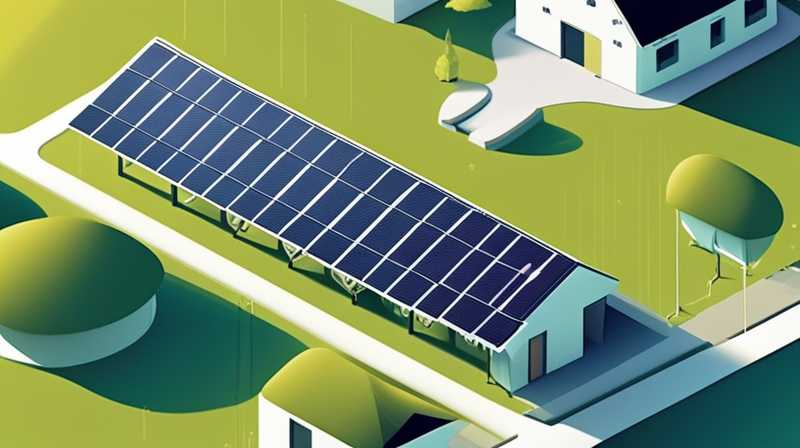
Solar energy installation on a 5-acre parcel can yield a substantial amount of power generation, contingent upon several determining factors. 1. The area can accommodate approximately 1,000 kilowatts (kW) of solar capacity, given industry averages and optimal conditions. 2. Local regulations and zoning laws might impose restrictions on energy installations, affecting total viability. 3. The efficiency of the selected solar panels significantly influences overall output, as newer technologies offer higher generation rates. 4. Factors such as geographical location, climate, and site conditions contribute to total energy production, impacting the system’s actual performance. For instance, a site with optimal sunlight exposure allows for maximum utilization of the solar potential, leading it to generate substantial energy year-round.
1. SOLAR PANEL CONFIGURATION
Understanding the configuration of solar panels on a 5-acre lot is essential for maximizing energy production. Solar panels are typically measured in watt-peak (Wp), which indicates their maximum capacity under ideal sun conditions. For a typical solar panel rated around 300 Wp, one can fit approximately 1,500 to 2,000 panels on 5 acres, depending on layout design, spacing, and installation methods. Using an average of 1,800 panels, this setup could yield 540 kW of capacity, factoring in optimal tilt angles and positioning for sunlight capture.
Furthermore, the arrangement of panels plays a critical role in energy generation. A ground-mounted system offers versatility in layout and often requires less space compared to rooftop installations. Innovative designs such as solar trackers can enhance efficiency by adjusting panel angles throughout the day, thus capturing more sunlight. It’s essential to conduct a site assessment to identify the best configurations, considering factors such as shading from trees or neighboring structures that might limit sunlight access.
2. LOCATION AND CLIMATE IMPACT
Predominantly, the geographical location of the land directly influences solar energy outcomes. Certain regions exhibit more sunlight hours annually, markedly boosting potential energy generation. For example, southern areas in the United States typically receive a higher number of sunny days compared to northern regions, translating into greater solar production potential. This aspect emphasizes the importance of evaluating local climate patterns, including average sunlight hours and seasonal variations.
To illustrate, a site in Arizona may receive around 5-7 hours of full sunlight daily, while a location in Washington state may receive only 3-5 hours on average. Through calculation, one can estimate energy yield by multiplying the panel capacity by the average daily sunlight hours and the number of panels installed. Thus, installations in sunnier areas can significantly surpass those in regions with lower solar exposure. Additionally, climate influences, such as snow and rainfall frequency, should also be considered, as they may necessitate additional measures like snow removal or enhanced drainage systems to maximize output.
3. FINANCIAL CONSIDERATIONS
Financial metrics often drive the decision-making process for solar installations. Initial capital investment is a major focus when planning for solar energy projects, and it significantly impacts long-term viability. For a 5-acre installation, the costs could range widely based on equipment choices, installation practices, and local labor rates. Depending on the factors involved, one might anticipate expenses of $1 to $3 million, inclusive of solar technology, permitting, and labor.
Moreover, potential tax incentives, rebates, or state-funded programs may alleviate some installation costs. Programs such as the federal investment tax credit (ITC) can provide a considerable return on investment, typically allowing access to a 26% credit on the federal level. Evaluating local state incentives as well can pave the way for additional cost savings, enhancing project feasibility and resulting in a faster return on investment. Financial modeling from expected energy production can demonstrate potential savings and payback timeframes, reinforcing the rationale for pursuing solar energy solutions.
4. MAINTENANCE AND LONG-TERM SUSTAINABILITY
Effective maintenance is integral to ensuring the longevity and productivity of solar energy installations. Regular inspections and cleaning procedures are necessary to reduce debris build-up on panels, which can inhibit performance. Maintenance practices can vary but typically require assessments at least twice a year to identify potential issues before they become costly repairs. Neglecting such upkeep can lead to reduced efficiency and, consequently, diminished energy output.
Additionally, long-term performance monitoring can significantly impact sustainability and operating efficiency. By utilizing digital monitoring tools, owners can receive real-time feedback on energy production and equipment health. These systems can alert operators to any performance drops, allowing for prompt remedial action. Ultimately, the implementation of a robust maintenance strategy will not only extend the lifespan of solar energy systems but also ensure their continued effectiveness in solar energy production.
5. REGULATORY ENVIRONMENT
The regulatory framework surrounding solar installations cannot be overlooked, as it varies significantly by location. Local building codes, zoning laws, and utility regulations can impact the feasibility of solar project development. Notably, navigating these regulations is essential when embarking on any energy installation project. Some areas may have restrictive policies that limit the size or extent of solar installations, while others encourage growth through streamlined permitting processes.
Furthermore, engaging with local utility providers early in the planning phase can facilitate a clearer understanding of grid interconnection standards. Requirements for connecting to the grid ensure that excess energy produced by the solar panels can be sold back, offering greater economic benefits. Collaborating with regulatory bodies and understanding compliance requirements will ensure not only a smooth installation process but also a successful operation once the system is in place.
6. COMMUNITY IMPACT AND ACCEPTANCE
The social dynamics surrounding the installation of solar energy systems can significantly affect project outcomes. Community acceptance serves as a crucial factor in evaluating the desirability of solar projects, particularly for larger installations like those on 5 acres. Engaging local communities and stakeholders throughout the planning process fosters transparency, allowing for addressing potential concerns before they manifest significantly.
In some cases, community outreach initiatives can demonstrate the environmental and economic benefits of solar energy. Informing residents about job creation, potential tax revenues, and sustainable energy production can help build a supportive public perception. Establishing partnerships with local organizations or hosting informational gatherings may provide essential insights into community-level needs and preferences, enabling developers to align their projects accordingly.
7. ENVIRONMENTAL AND SUSTAINABILITY CONSIDERATIONS
Solar energy projects can contribute to environmental sustainability. By utilizing previously undeveloped land for solar installations, it is possible to minimize the carbon footprint typically associated with fossil fuel energy generation. The transition to renewable energy sources benefits ecological systems, supporting efforts for reduced greenhouse gas emissions and leading the way toward energy independence.
Moreover, the land utilization practices for solar installations can be optimized for environmental sustainability. Implementing processes that integrate agricultural practices, known as agrivoltaics, can ensure that land is utilized for both energy generation and farming, providing dual benefits. The cooperative use of 5 acres for both solar farming and traditional agriculture can promote biodiversity and reduce conflicts in land use while maximizing output and sustainability in the long run.
FREQUENTLY ASKED QUESTIONS
WHAT IS THE AVERAGE ENERGY OUTPUT FOR SOLAR PANELS INSTALLED ON 5 ACRES?
The potential energy output for solar panels on a 5-acre installation can vary significantly based on factors such as panel efficiency, sunlight exposure, and local conditions. Educated estimates suggest that with the appropriate panel configurations, one could realistically achieve an output of approximately 500 kW to 1,000 kW, correlating with around 2,000 to 4,000 MWh of energy annually. This output assumes optimal sun exposure, typical for regions with high solar irradiance. Additionally, technologies such as solar inverters and storage solutions can further enhance energy efficiency and availability. Solar generation may lower electricity costs while promoting sustainability, granting substantial energy savings over time.
HOW DOES CLIMATE AFFECT SOLAR ENERGY GENERATION?
Climate plays a pivotal role in influencing solar energy generation. Factors like geographical location and prevailing weather conditions determine the amount of sunlight that reaches solar panels throughout the year. For example, installations in sunny, arid areas tend to perform significantly better than those in cloudy or rainy climates. Additionally, environmental considerations such as snowfall can affect panel efficiency, requiring supplementary cleaning measures to ensure consistent performance. Analyzing local climate data allows for informed decisions about solar technology’s feasibility, optimal installation practices, and energy output expectations over time.
WHAT ARE THE CONTINUED MAINTENANCE REQUIREMENTS FOR SOLAR PANEL INSTALLATIONS?
Maintenance of solar panels is crucial for optimal energy production and equipment longevity. Regular inspections typically include checking panel conditions for debris, assessing wiring for wear, and ensuring that inverters are functioning efficiently. Cleaning procedures are essential to prevent reduced production from dirt and dust accumulation. Most experts recommend at least biannual evaluations; however, harsher climate conditions may necessitate more frequent monitoring. Incorporating smart technology for real-time performance tracking can also significantly reduce unanticipated outages, ensuring that the system continues to operate efficiently throughout its lifespan.
In summary, solar energy installations on 5 acres present remarkable potential for both environmental benefits and energy generation. The overall capacity that can be realistically harnessed is determined by various factors, including local sunlight availability, technological choices, and logistical considerations. Addressing community needs and regulatory frameworks further enhances project viability, making it essential for stakeholders to engage thoroughly throughout the installation process. Understanding the financial implications, care requirements, and location impacts can significantly streamline the transition to renewable energy. Furthermore, by integrating sustainable practices and maintaining transparency with communities, developers can pave the way for meaningful progress in renewable energy development. With proper planning, a 5-acre solar energy project can not only support individual energy goals but also contribute substantially to the collective combat against climate change, promoting sustainability for future generations.
Original article by NenPower, If reposted, please credit the source: https://nenpower.com/blog/how-much-solar-energy-can-be-installed-on-5-acres-of-land/

