

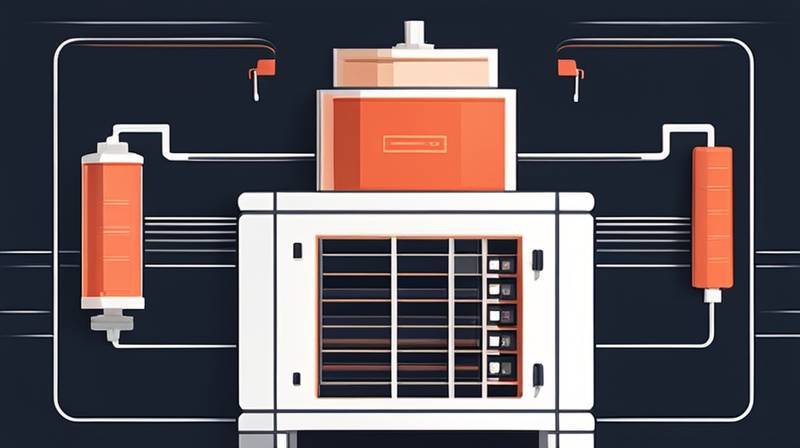
How much is the Shanghai high power energy storage machine
1. The price of the Shanghai high power energy storage machine varies significantly, ranging from $300,000 to $1 million, depending on specifications, capacity, and technology; 2. Various models present different features that influence pricing, such as chemistry type, maximum output, and cycle life; 3. The increasing demand for energy storage solutions is pushing prices toward a competitive market; 4. Additional costs may encompass installation, maintenance, and ancillary systems. An example of a key factor affecting price is the technology employed, which dictates durability, efficiency, and total lifecycle costs.
1. MARKET OVERVIEW OF ENERGY STORAGE SOLUTIONS
Energy storage systems have become pivotal in managing and optimizing electricity supply and demand. The rise in renewable energy sources, particularly solar and wind, necessitates the deployment of effective energy storage mechanisms. Among these, the Shanghai high power energy storage machine stands out for its capacity to store large amounts of energy and release it quickly when required. This capability is instrumental for balancing the inconsistencies inherent in renewable energy, which often generates power when it is not needed and cannot produce sufficient energy when demand peaks.
This energy storage system frequently utilizes lithium-ion technology, which is renowned for its high energy density and efficiency. However, alternatives such as flow battery systems, which use liquid electrolytes, provide benefits in scalability and prolonged discharge capabilities. The variation in technologies employed contributes to the differences in pricing and application suitability among the various configurations available in the market. Innovative materials and advancements in energy storage technology are continuously evolving, enhancing performance while driving costs — two crucial variables in the overall adoption of energy storage systems.
2. FACTORS INFLUENCING THE COST OF ENERGY STORAGE MACHINES
Determining the final cost of the Shanghai high power energy storage machine is influenced by several essential factors. Technical specifications play a monumental role in dictating the core price of the machine, which can range widely based on capacity, output voltage, and storage duration. For instance, a system designed for short-burst energy delivery may differ in cost from one optimized for ** prolonged energy storage**. Users must carefully evaluate their specific energy demands to select the appropriate configuration that effectively meets their operational metrics.
Another crucial determinant is installation and integration costs. Beyond the price of the machine itself, additional expenditures accrue during deployment, often necessitating specialized installation processes tailored to specific site conditions and energy setups. Integration with existing infrastructure—grid connections, safety measures, and operational scale—must also be factored into the overall investment timeline. Conducting a comprehensive cost-benefit analysis can assist businesses in making informed decisions that yield long-term viability and performance effectiveness.
3. COMMON APPLICATIONS OF THE SHAANGHAI HIGH POWER ENERGY STORAGE MACHINE
The Shanghai high power energy storage machine exhibits immense versatility in its applications. Its primary utilization lies in the ancillary services sector where it aids in frequency regulation for electric grids. By responding rapidly to variations in electricity supply, these systems help maintain the balance between generations and consumption. This function is especially pertinent given the increasing integration of intermittent renewable resources, like solar and wind power.
Industries reliant on massive power consumption are also primary beneficiaries of this technology. For instance, manufacturing facilities utilize energy storage machines to smooth out spikes in demand and to take advantage of lower pricing during off-peak hours. Large-scale deployment offers these industries not just operational cost savings but also enhanced sustainability profiles, leading to broader community and regulatory approval. This approach to power management demonstrates how strategically leveraging energy storage can play a crucial role in driving industrial innovation while contributing to a greener economy.
4. LONG-TERM BENEFITS OF INVESTING IN ENERGY STORAGE
Investing in a Shanghai high power energy storage machine represents more than just addressing immediate energy needs. Businesses that incorporate these systems into their operations are often positioned favorably in their respective markets. This is largely due to their ability to manage energy costs effectively, ensuring predictable budget allocation for energy spending over an extended period. Electricity price volatility poses challenges, but energy storage solutions counteract these fluctuations by allowing organizations to store cheaper electricity during off-peak times, thereby stabilizing operating expenditures throughout the month.
Moreover, enhancing energy resilience forms another compelling benefit. Organizations can maintain continuity during grid outages by utilizing stored energy. This attribute is particularly crucial for critical sectors where downtime results in significant financial loss or operational disruption. Thus, investing in high-capacity energy storage systems contributes not only to economic performance but also to business continuity planning. Organizations investing in these technologies tend to gain a competitive edge, positioning themselves as leaders in their industries in terms of both innovation and sustainability.
5. LEGAL AND REGULATORY CONSIDERATIONS
The landscape of energy storage technology is intertwined with evolving legislative frameworks and regulations shaping its access and deployment. Countries across the globe are adapting their policies to spur innovation in energy storage systems, thus reducing barriers to entry for organizations seeking to invest in this technology. Specific tax incentives, rebates, and grants are available in various locales, significantly impacting the overall cost of entry for potential buyers.
Furthermore, compliance with safety and environmental regulations is a critical consideration. Companies must adhere to industry standards regarding the disposal of battery materials, maintenance protocols, and safety mechanisms. Failing to comply can result in hefty fines and operational delays. Hence, it is imperative for stakeholders in energy storage systems to remain abreast of the local regulatory environment. Engaging with legal and compliance experts is advisable to navigate these complexities effectively.
FREQUENTLY ASKED QUESTIONS
HOW DOES THE TECHNOLOGY OF ENERGY STORAGE IMPACT ITS PRICE?
The technological framework underlying an energy storage system profoundly influences its pricing structure. Various battery chemistries are available in the market, each possessing unique capacities, efficiencies, and lifecycles. For example, lithium-ion batteries are popular due to their high energy density and rapid response times, but they also come with a premium price tag. Conversely, alternative technologies, such as sodium-sulfur or flow batteries, may provide lower initial costs but suffer from reduced energy density, requiring larger installations to achieve the same output. Consequently, organizations must assess their specific needs, focusing on how each technology aligns with their operational requirements. Prioritizing long-term efficiency and cost-effectiveness while considering available financing options can lead to a more economically beneficial decision, making it crucial for potential buyers to conduct thorough evaluations when selecting energy storage technology.
WHAT ARE THE MAINTENANCE REQUIREMENTS OF ENERGY STORAGE MACHINES?
Maintenance demands for energy storage machines hinge upon the technology utilized and the specific environmental conditions surrounding their deployment. Most high-capacity energy storage systems, particularly those leveraging lithium-ion technology, necessitate regular performance assessments to monitor battery performance, cycle life, and thermal stability. Routine inspections of key components, such as inverters, cooling systems, and safety mechanisms, likewise play an instrumental role in ensuring optimal functionality. It is also advisable to schedule periodic assessments with qualified technical specialists to maintain high performance levels. Additional costs may emerge over time, particularly regarding battery replacement or upgrades to meet evolving operational needs, clearly indicating that organizations should prepare for these inevitable expenses when integrating storage solutions.
CAN ENERGY STORAGE SYSTEMS BE INTEGRATED WITH RENEWABLE ENERGY SOURCES?
Certainly, energy storage systems can integrate seamlessly with renewable energy sources, forming a vital component in optimizing energy production and consumption. By storing excess power generated during peak production hours, such as when solar panels produce more energy than is needed, these systems facilitate the smooth delivery of energy during non-productive periods. This capability ensures that organizations can reduce reliance on grid electricity, decrease costs, and contribute to a more sustainable energy future. Additionally, integration also supports smart grid solutions, enabling real-time monitoring and management of energy flow, thereby enhancing overall system resilience. Such integration ultimately fosters a more reliable energy supply and positions companies favorably in their commitment to sustainability.
THE IMPORTANCE OF ENERGY STORAGE MACHINES IN THE MODERN GRID
As nations shift towards renewable energy sources, the significance of energy storage machines within the modern grid must be heavily emphasized. The inherent fluctuations of renewable energy production, coupled with increased electricity demands, necessitate strategies to create a balanced electric grid. Energy storage solutions, such as those found in the Shanghai high power energy storage machine, are indispensable in managing this challenge. These systems can capture surplus energy for later use, thus promoting a more reliable energy supply and stabilizing the overall electrical infrastructure. By doing so, energy storage machines unlock more widespread adoption of renewables while enhancing grid resilience, thereby establishing an energy future that is economically and environmentally sustainable.
INVESTMENT STRATEGIES FOR ENERGY STORAGE TECHNOLOGY
The financial landscape surrounding energy storage technology demands astute investment strategies. Prospective investors must consider varying factors, such as technological advancements, market demands, and potential return on investment, when deciding on appropriate funding models. Long-term demand projections, along with anticipated decrease in technology costs, indicate promising opportunities for profit generation within the renewable energy sector. Additionally, evaluating partnerships with local governments and utility companies seeking to enhance storage capabilities can also yield collaborative advantages, facilitating access to financial incentives and support for initial investments. Through strategic planning and comprehensive market analysis, potential buyers and investors remain well-positioned to capitalize on the expanding opportunities presented by energy storage technology.
A FINAL NOTE ON THE FUTURE OF ENERGY STORAGE MACHINES
The evolution of energy storage solutions signals a transformative era within the energy sector, with machines like the Shanghai high power energy storage system at the forefront of innovation. As demand surges for effective, efficient energy management strategies, it becomes increasingly vital for stakeholders to engage in investing in advanced energy storage technology in tandem with other sustainability initiatives. By prioritizing ongoing developments in battery technology and observing changes within the regulatory landscape, organizations can inform their strategies and responses to emerging market dynamics. As the global energy transition unfolds, fostering advancements in energy storage systems coupled with strong investment strategies will be key enabling factors to building a reliable and clean energy future.
In conclusion, the Shanghai high power energy storage machine serves as an essential player in today’s energy landscape, characterized by its unique price points, varied applications, and undeniable necessity in integrating renewables with the power grid. Understanding the multifaceted influences on its pricing, maintenance, and operational efficiencies is crucial for stakeholders seeking to invest in this technology strategically. With comprehensive insights gleaned from market analysis, investors can enhance their readiness to adapt to ongoing changes, ensuring that they harness the advantages and opportunities that high-capacity energy storage machines provide. The significance of these innovations extends beyond mere financial incentives, fostering resilience and sustainability within the energy sector while addressing the growing need for efficient energy management. Thus, continued investment in energy storage is paramount to shaping an energy-efficient future for communities and organizations alike.
Original article by NenPower, If reposted, please credit the source: https://nenpower.com/blog/how-much-is-the-shanghai-high-power-energy-storage-machine/

