

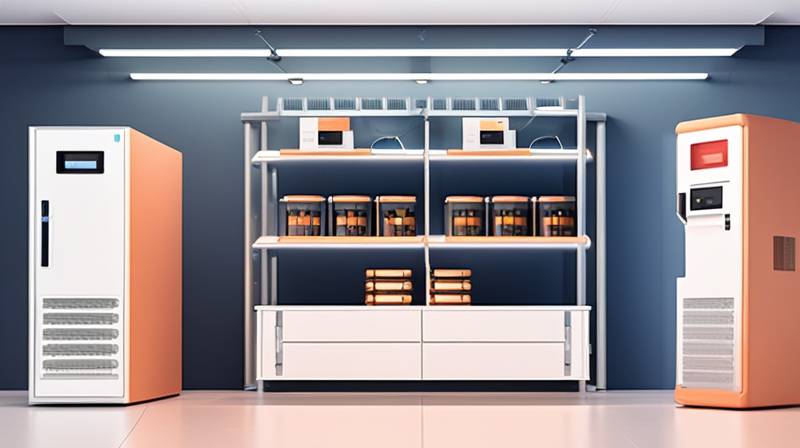
The compensation for energy storage cabinet installation varies significantly based on several factors. 1. Regional differences play a crucial role in determining earning potential; different locations possess distinct market demands and labor costs. 2. Experience and expertise also substantially influence salary levels; skilled technicians generally earn a higher wage compared to those with less experience. 3. The complexity of the installation project often dictates financial remuneration; more intricate systems require advanced skills, thereby justifying higher fees. A detailed examination of these dimensions reveals a comprehensive picture of potential earnings in this growing field.
1. REGIONAL DIFFERENCES IN SALARIES
Geographic location significantly impacts the salary landscape for professionals engaged in energy storage cabinet installation. Diverse market dynamics exist across regions, resulting in variations in pay rates. Urban areas often command higher wages due to increased demand for technological solutions and the higher cost of living. In contrast, rural regions may experience a surplus of technicians, leading to more modest compensation. Therefore, understanding local demand helps clarify earning potential.
Moreover, state regulations and incentives play a role in shaping the labor market. Areas with progressive energy policies and substantial support for renewable energy initiatives tend to attract more significant investment. As a direct result, the demand for skilled installers in these regions rises, consequently driving up salaries. High-density metropolitan areas such as California, New York, and Texas represent prime examples where the convergence of demand and investment elevates compensation opportunities.
2. EXPERIENCE AND SKILL LEVEL
Experience directly correlates with salary levels in the field of energy storage cabinet installation. Generally, individuals with extensive hands-on experience demand higher pay due to their proven capabilities. Apprentices or entry-level technicians earning lower wages possess limited skillsets, which may result in them working alongside seasoned professionals to gain valuable experience. As they acquire a deeper understanding of technologies, their market value increases, allowing for elevated compensation.
Additionally, specialized training and certifications can lead to significant salary advancements. Professionals trained in specific energy storage technologies, such as lithium-ion systems or advanced battery management systems, tend to outpace their peers in terms of earning potential. Manufacturers and organizations often prioritize certified technicians, thereby rewarding such expertise with increased compensation. This underscores the importance of continuous education and staying abreast with industry advancements in the pursuit of higher financial returns.
3. COMPLEXITY OF INSTALLATION PROJECTS
The intricacy of the installation process can substantially influence the financial remuneration for technicians. More complex projects necessitate a higher degree of skill and knowledge, justifying elevated pay rates. For instance, installations involving integration with existing electrical systems or coordination with larger energy management frameworks demand extensive expertise, requiring technicians to navigate various challenges and details. Consequently, installers tackling sophisticated projects often receive higher payouts due to their advanced capabilities.
Moreover, the scale of the project also influences compensation structures. Large commercial installations involving multiple energy storage cabinets may require a team of skilled electricians and technicians, spreading financial rewards among several workers. Conversely, smaller residential installations may provide higher hourly rates due to their straightforward nature yet limited overall compensation compared to larger undertakings. Thus, technicians should assess both project complexity and scope to understand potential earning opportunities fully.
4. INDUSTRY DEMANDS AND GROWTH
The energy storage sector currently experiences significant growth, driven by global trends emphasizing renewable energy adoption. As more businesses and homeowners adopt energy storage solutions, the demand for qualified technicians intensifies. This burgeoning industry not only offers opportunities for installation professionals but provides avenues for career advancement as new technologies emerge. With increased hiring potential comes enhanced competition for skilled labor, ultimately leading to increased salaries.
Moreover, government incentives and initiatives contribute to the industry’s expansion. Supportive policies, tax benefits, and grants encourage the implementation of energy storage systems, creating a favorable landscape for those involved in installation work. This heightened focus on sustainable energy solutions translates into greater job security and higher earning potential for technicians in the energy storage market. As industry demands continue to evolve, aligning skills with market needs becomes paramount for those seeking lucrative opportunities in this field.
FREQUENTLY ASKED QUESTIONS
WHAT ARE THE AVERAGE SALARIES FOR ENERGY STORAGE CABINET INSTALLERS?
Compensation for energy storage cabinet installers varies based on various factors, including geographical location, experience, and project complexity. As of the latest data, a typical installer in the United States can expect to earn between $45,000 to $80,000 annually. In states with substantial renewable energy markets, such as California and New York, salaries may rise substantially, with top-tier technicians earning upwards of $100,000 per year. Furthermore, installers engaged in ongoing professional development and specialized training can command higher wages, reflecting their expertise. Additionally, those working in commercial sectors or tackling complex installations may find themselves at the higher end of the pay scale, underscoring the importance of adaptability and skill in determining earning potential.
HOW DOES EXPERIENCE AFFECT SALARIES IN THIS FIELD?
Experience plays a pivotal role in determining compensation for energy storage cabinet installers. Individuals entering the field may start with lower salaries, typically between $30,000 and $45,000 annually. As they accumulate experience and expertise, their potential for earning increases significantly, often reaching the $60,000 to $80,000 range within a few years. Installers who engage in continuous learning and obtain relevant certifications can further enhance their marketability and overall salary. It’s essential to understand that technical proficiency and hands-on experience contribute substantially to career longevity and earning potential. As energies shift towards renewable solutions, the demand for seasoned professionals will likely guide future compensation trends. This highlights the necessity for industry stakeholders to invest in ongoing training and education to maintain a competitive edge.
WHAT FACTORS INFLUENCE EARNINGS IN ENERGY STORAGE INSTALLATION?
Several factors converge to influence earnings in the realm of energy storage installation. Geographical considerations, market demand, and the complexity of projects are core influences. Regions with burgeoning renewable energy initiatives often create increased job opportunities, thus elevating salary levels. Competitive markets yield varying pay rates based on the local cost of living and demand for skilled labor. Additionally, the intricacy of the installation projects plays a role; more complex installations typically command higher pay due to the advanced skills required. Coupled with experience and certifications, these variables collectively shape the financial landscape for energy storage cabinet installers. Overall, navigating this multifaceted domain requires professionals to stay aware of market trends, enhance their skills, and adapt to the evolving needs of their industry.
In summation, the compensation landscape for energy storage cabinet installers is shaped by a plethora of dynamic factors. As explored, regional variances, individual experience, project complexity, and industry demands play instrumental roles in determining salary levels. It is essential for aspiring technicians to comprehensively understand these elements, as they collectively influence earning potential. Individual technicians can enhance their profits by honing their skillsets, pursuing relevant certifications, and maintaining awareness of local labor market trends. Moreover, as the demand for renewable energy solutions continues to escalate, so too will the financial opportunities for skilled professionals in the energy storage sector. Staying current with technological advancements and fostering relationships within the industry will position technicians for long-term success in an ever-evolving professional landscape. As a final point, investing in education and embracing change are paramount for those in the energy storage installation field, ensuring enduring career growth and stability in this vital industry.
Original article by NenPower, If reposted, please credit the source: https://nenpower.com/blog/how-much-is-the-salary-for-installing-energy-storage-cabinets/

