

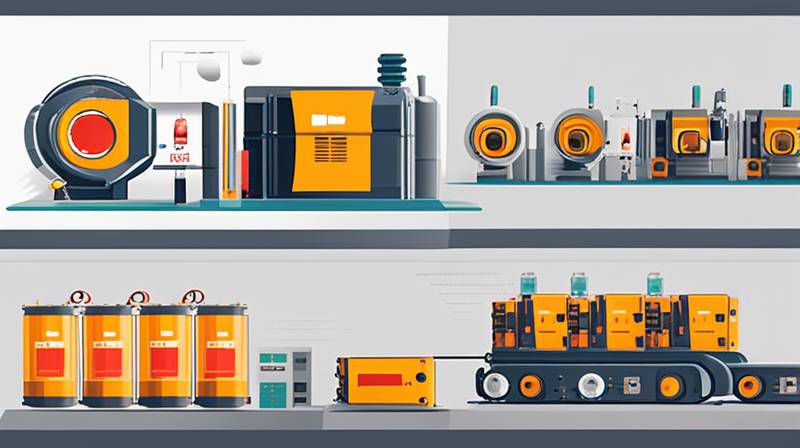
The price of a Zhengzhou pneumatic energy storage machine can vary significantly based on multiple factors such as specifications, capacity, manufacturer, and supplier. 1. The price typically ranges between $50,000 and $200,000, depending on the model and features offered. 2. Different manufacturers provide varying levels of customization resulting in price fluctuations. 3. Installation and maintenance costs, which may add another 15% to 25% to the initial price, must also be considered. 4. Evaluation of potential savings in energy bills due to the machine’s efficiency can help justify the purchase price.
The following segments will thoroughly dissect the primary elements surrounding the pricing of pneumatic energy storage mechanisms, whilst also providing insights into their operational value and market trends.
1. UNDERSTANDING PNEUMATIC ENERGY STORAGE
Pneumatic energy storage systems utilize compressed air as a means to store energy, which can later be transformed back into electrical power. This mechanical arrangement is advantageous for its high storage capacity, durability, and relatively eco-friendly operation. The initial investment can appear daunting, yet the considerable energy efficiency and potential long-term savings often validate the expense.
A myriad of factors plays a role in determining the price of a pneumatic energy storage machine, including the design, material quality, and technological innovations associated with the system. For instance, models constructed with advanced materials may boast superior performance and longevity, imperative for operations demanding high reliability. Moreover, diversified design variations typically cater to specific applications, further complicating the pricing structure.
2. COMPONENTS AFFECTING PRICING
2.1 MATERIALS USED IN CONSTRUCTION
The choice of materials is pivotal in defining the cost of a pneumatic energy storage device. High-grade alloys and composites contribute significantly to both the strength and weight of the apparatus, attributes essential for maintaining integrity over extensive operational spans. Ultimately, these factors necessitate a considerable investment, as prices adjust based on market demand for these specialized materials.
Additionally, the inclusion of safety features like pressure relief valves and robust internal linings further amplifies manufacturing costs. These features prioritize operational safety but can also translate to higher retail prices. Evaluating the construction quality against market standards can help prospective buyers better understand the pricing spectrum.
2.2 TECHNOLOGICAL INNOVations
Emerging technologies in pneumatic energy storage are influential in setting market prices. Incorporating advanced control systems, efficient compressors, and smart monitoring capabilities contributes both to operational efficacy and cost. As machinery becomes increasingly sophisticated, the retail price often follows suit, reflecting the investment in research and innovation by manufacturers.
Moreover, energy efficiency ratings can markedly affect pricing. Technologies that promise quicker energy recovery times and improved efficiency might carry a premium; however, they also present the user with substantial advantages in terms of energy costs and operational savings over time. It is essential for potential buyers to weigh these long-term benefits against upfront costs to make informed decisions.
3. MARKET TRENDS AND LOCATION
3.1 REGIONAL VARIATIONS
The location of both the buyer and manufacturer can considerably influence the pricing dynamics of pneumatic energy storage systems. Local labor costs, shipping expenses, and tariffs or taxes can all lead to price divergences across different geographical regions. For instance, purchasing a unit from a supplier based in Zhengzhou may yield different costs compared to those sourced internationally.
Supply chain factors also contribute; fluctuations in production capabilities due to environmental regulations can lead to scarcities that push prices higher. Understanding regional supply dynamics can assist buyers in negotiating and finding the best available prices for their needs.
3.2 SUPPLY AND DEMAND DYNAMICS
Market demand often oscillates based on the availability of alternatives in energy storage technologies. As renewable energy sources gain traction, the demand for effective storage solutions, including pneumatic systems, can see spikes, resulting in price inflation. Buyers must remain informed about market demand patterns to anticipate potential price shifts when considering future purchases.
3.3 TRENDS IN GOVERNMENT REGULATIONS
Government policies concerning energy storage and renewable implementations also factor into pricing structures. For example, subsidies aimed at energy efficiency technologies may encourage purchase decisions, potentially lowering effective costs. Conversely, stringent regulations can elevate production costs, which may be reflected in pricing. Understanding these regulatory landscapes is crucial for making educated purchasing conclusions.
4. EVALUATING TOTAL COST OF OWNERSHIP
4.1 INITIAL INVESTMENT
The initial cost of acquisition is just the tip of the iceberg when it comes to total ownership. Operational costs, installation fees, and training expenses should be factored into any financial calculations. While a pneumatic energy storage machine may possess a higher upfront cost, judicious operation can lead to favorable return-on-investment conditions over time due to efficiencies realized.
Understanding comprehensive costs provides clarity regarding the specific advantages of pneumatic systems. Operational expenses are often mitigated through energy savings, thus leading to faster amortization of equipment costs.
4.2 MAINTENANCE AND OPERATIONAL COSTS
The expenditure does not conclude with the purchase; maintenance and periodic checks are necessary to ensure optimal functionality. Cost of replacement parts, quality of service offered, and the expertise of the technical staff all contribute to long-term economic evaluations for buyers. Proactive maintenance can significantly reduce operational interruptions and unforeseen expenses.
Investing in high-quality maintenance packages can also yield benefits, securing well-functioning machinery and protecting the initial investment. Potential buyers are recommended to factor in these ongoing expenses into their budget for a holistic view of financial commitments.
FREQUENTLY ASKED QUESTIONS
WHAT FACTORS INFLUENCE THE PRICE OF A PNEUMATIC ENERGY STORAGE MACHINE?
Several elements contribute to the price of a pneumatic energy storage machine. Material choice, technological advancements, and design complexity are fundamental factors. High-end materials provide greater durability and efficiency but come with increased costs. Furthermore, the integration of cutting-edge technologies can enhance functionality, driving up the selling price. Regional market dynamics, such as labor costs and shipping expenses, also significantly impact the final price, making it essential for prospective buyers to shop around and analyze their options thoroughly.
HOW DOES ENERGY EFFICIENCY AFFECT PNEUMATIC MACHINE COSTS?
Energy efficiency is a critical consideration in the pricing of pneumatic energy storage machines. Models rated for higher efficiency often command premium prices due to their potential for lower operational costs. Over time, energy-efficient machines can reduce electricity expenses, making them more cost-effective in the long run. This contrasts with less efficient models, which may be cheaper initially but can incur higher energy bills, negating their upfront savings. Therefore, evaluating energy efficiency ratings is crucial when assessing overall value.
WHAT IS THE AVERAGE INSTALLATION COST FOR A PNEUMATIC ENERGY STORAGE MACHINE?
The installation cost of a pneumatic energy storage machine can vary widely depending on several factors such as local labor rates, complexity of the installation, and need for integrated systems. On average, installation costs can range from 15% to 25% of the machine’s purchase price. It is advisable to obtain multiple quotes from professional installers for a clearer picture. Additionally, proper installation is critical for performance, as substandard work can lead to increased maintenance costs down the line.
The pricing of pneumatic energy storage machines encapsulates a variety of factors that extend beyond the mere initial investment. Potential buyers must delve into the intricacies of material quality, technological sophistication, and market dynamics to arrive at a well-informed purchasing decision. Each component, from initial costs to operational expenditures, ought to be scrutinized to understand the overall financial commitment fully. Paying consideration to energy efficiency, installation expenses, and total ownership costs will invariably enrich the purchasing experience while maximizing long-term value derived from the machinery. Through comprehensive assessment of all these aspects, purchasers can glean profound insights that not only rationalize their investments but also yield significant data serving to improve operational efficiency and cost-effectiveness. By analyzing the meticulous details surrounding pneumatic energy storage pricing, stakeholders can optimize their engagements, ultimately propelling them towards a greener, more sustainable energy landscape.
Original article by NenPower, If reposted, please credit the source: https://nenpower.com/blog/how-much-is-the-price-of-zhengzhou-pneumatic-energy-storage-machine/

