

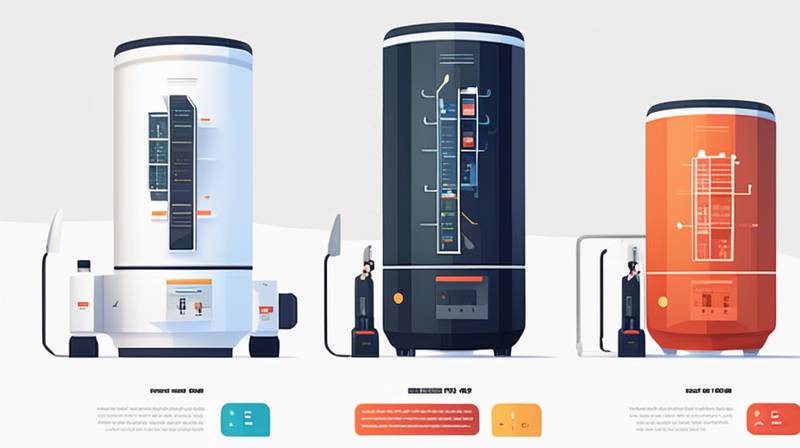
The power of an electric energy storage boiler varies based on factors such as the manufacturer’s specifications, designed purpose, and energy storage capacity. 1. Common power ratings range from 6 kW to 30 kW, allowing for different applications in residential, commercial, and industrial environments. 2. The storage capacity of the water tank also influences energy output, as larger tanks may accommodate higher capacities. 3. The choice of insulation materials impacts efficiency and energy retention. 4. System design, including heat exchange efficiency, plays a crucial role in determining actual energy use and performance.
Electric energy storage boilers serve as critical components in modern energy management, helping balance supply and demand while providing heating solutions. Their ability to convert electrical energy into thermal energy for storage gives these devices significant advantages, especially in settings with intermittent renewable energy sources. Through effective energy regulation, these systems can lead to enhanced energy efficiency, reduced costs, and improved sustainability.
1. UNDERSTANDING ELECTRIC ENERGY STORAGE BOILERS
Electric energy storage boilers are designed to generate heat by converting electricity into thermal energy, which can then be stored in water. This technology operates on a straightforward principle: when there is an excess of electricity, particularly from renewable sources like solar or wind, it can be utilized to heat water in the boiler. This heated water is stored for later use, allowing for efficient energy consumption that aligns with system demands.
The essential functionality of electric storage boilers revolves around thermal mass. They accumulate heat, which can be released during peak demand periods or when energy costs are higher. This capability not only enhances energy efficiency but also contributes to grid stability by alleviating stress during high demand times. Various configurations and capacities exist to suit different needs, ensuring that electricity produced at optimal times can be effectively harnessed.
2. CAPACITY AND POWER RATINGS
The power rating of electric storage boilers typically ranges from 6 kW to 30 kW, depending on the application they are built for. Smaller units may serve residential needs effectively, while larger installations target commercial or industrial applications. The selection of the appropriate power rating revolves around the intended usage, frequency of hot water requirement, and the size of the space needing heating.
To elaborate, a 6 kW boiler would be sufficient for a smaller household, providing hot water for domestic needs such as bathing or cleaning. On the other hand, larger systems, rated at 30 kW, can cater to extensive heating demands in larger buildings, like apartment complexes or industrial facilities where consistent hot water supply is critical. The integration of multiple units can further enhance capacity and efficiency, allowing for scalability to meet specific heating demands as they evolve.
3. THERMAL STORAGE CAPACITY
The thermal storage capacity of an electric energy storage boiler is equally vital. It is primarily determined by the water tank size. Common configurations can range from 100 to 500 liters, with larger models designed for substantial heating tasks. Choosing the appropriate tank size is essential, as it impacts both the volume of hot water available and the overall efficiency of the installation.
Having a larger storage capacity enables systems to utilize the available electricity when it’s least expensive while providing the flexibility to release hot water during peak demand times. For instance, a boiler with a 500-liter tank could significantly lower energy costs for large organizations by accumulating and using energy when the rates are lower. However, it is critical to balance the tank size against the heat demand to avoid excessive energy use or underutilization.
4. EFFICIENCY FACTORS AND INSULATION
The efficiency of electric energy storage boilers is influenced by several factors, including insulation materials, system design, and quality of components. Insulation plays a crucial role in maintaining the heat generated, not allowing excessive thermal losses, which can significantly affect operational costs. High-quality insulation materials can mitigate energy loss, particularly in larger systems where the cost of heating can skyrocket due to inadequate insulation.
In addition, selecting advanced controls and heat exchange systems can optimize the performance of the boiler. Integrating smart technology into these systems allows for real-time monitoring and management of energy consumption, ensuring that hot water is readily available while maximizing energy efficiency. Enhanced designs help minimize energy waste and ensure that the system operates efficiently under various demand conditions.
5. SYSTEM DESIGN AND CONTROLS
Effective system design is pivotal for the overall performance of electric energy storage boilers. The strategic configuration of product components and the integration of high-efficiency heat exchangers play significant roles in determining energy efficiency. The design should accommodate factors like flow rates, pressure drops, and the specific heating requirements of the facility to enhance performance.
Incorporating intelligent controls allows for improved user interaction with the system. Advanced controls can automate functions such as scheduling, which helps in managing energy consumption effectively. Users can set heating schedules based around the electricity pricing variations, thus achieving further savings and making the most out of stored energy during peak demand.
6. ENVIRONMENTAL IMPACT AND SUSTAINABILITY
Installing electric energy storage boilers aligns with environmental goals significantly. As these systems often use renewable energy sources to generate heat, they contribute to reducing greenhouse gas emissions. With growing concerns over global warming and the need for sustainable practices, opting for electric storage boilers is a prudent choice.
Effective energy usage, alongside proper insulation and advanced controls, allows for comprehensive resource management. Facilities can subsequently exhibit enhanced sustainability by reducing their dependence on fossil fuels, contributing to the wider adoption of green technologies. This shift not only provides cost savings but also embodies a commitment to environmental stewardship, aligning with the global push toward a low-carbon future.
7. COST CONSIDERATIONS AND RETURN ON INVESTMENT (ROI)
Cost is always a primary consideration when implementing any new technology, and electric storage boilers are no exception. Initial purchase and installation costs can vary widely based on the system configuration, required power capacity, and additional features such as smart technology integration. However, a comprehensive consideration of operational cost savings can yield a favorable return on investment.
Sustained and efficient use of electricity translates into cost reductions over time. By utilizing stored energy when prices are low, users can further improve their financial return. Additionally, the longevity and reliability of electric storage boilers minimize the need for frequent replacements, ensuring that the investment remains viable over an extended period.
FREQUENTLY ASKED QUESTIONS
WHAT IS THE AVERAGE POWER CONSUMPTION OF AN ELECTRIC ENERGY STORAGE BOILER?
Average power consumption depends on the size and capacity of the boiler, typically ranging from 6 kW to 30 kW. For instance, a small electric storage boiler designed for a residence may consume around 6-12 kW, while larger systems serving commercial entities can reach up to 30 kW or more. The overall consumption also hinges on the frequency of use and how the system is integrated into the overall energy management strategy. Effective use of insulation and auxiliary heating technologies can also contribute to reduced energy consumption and enhanced efficiency. Various incentives or subsidies for renewable technologies may further influence the overall cost structure.
HOW DO ELECTRIC ENERGY STORAGE BOILERS COMPARE TO OTHER HEATING SOLUTIONS?
Electric energy storage boilers stand out from traditional heating solutions in several crucial areas. They offer the advantage of utilizing renewable energy sources, converting excess power into heating efficiently. This contrasts sharply with fossil fuel-based systems that emit carbon-dioxide and face increasing regulations. Furthermore, electric storage boilers can store thermal energy, allowing for more flexibility compared to conventional heating methods that require constant energy supply. This unique ability to maintain a steady hot water supply during peak demands solidifies electric boilers as a more sustainable and economical solution, particularly in settings transitioning towards greener energy practices.
WHAT FACTORS INFLUENCE THE OPERATING COSTS OF ELECTRIC ENERGY STORAGE BOILERS?
Operating costs for electric energy storage boilers are influenced by a myriad of factors. Key components include the electricity pricing structure, the efficiency of insulation, and the overall design and capacity of the system. A well-insulated boiler will retain heat more effectively, which can lead to less energy being consumed over time, thus reducing costs. Additionally, the ability to schedule energy use based on the time-of-use tariffs enables users to optimize expenses and utilize stored energy when rates are least expensive. The balance between system size and actual heating needs will also impact overall operating costs significantly, as will maintenance and potential upgrades in technology.
Electric energy storage boilers represent a promising solution for a wide range of heating applications, effectively bridging the gap between energy availability and consumption. Understanding the various factors influencing their power and efficiency is fundamental to making informed decisions surrounding their implementation. As the world moves toward more sustainable energy practices, these systems not only provide cost-effective heating solutions but also contribute positively to environmental conservation efforts. Their adaptability, growing technology, and eco-friendliness position them as key players in the future energy landscape.
Original article by NenPower, If reposted, please credit the source: https://nenpower.com/blog/how-much-is-the-power-of-the-electric-energy-storage-boiler/

