

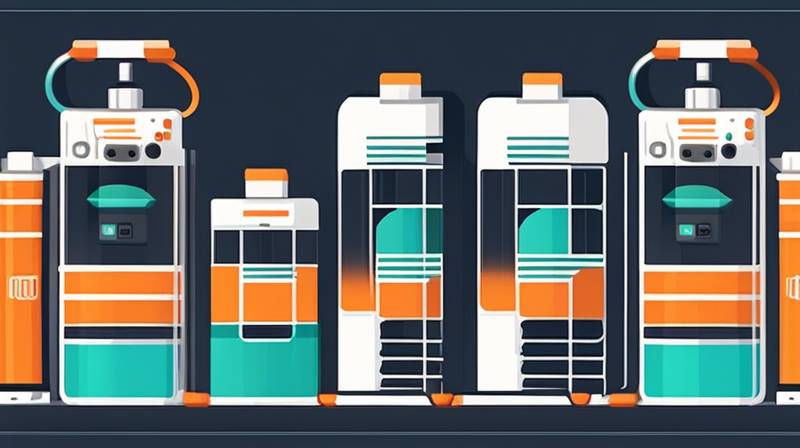
The cost of Henan capacitor energy storage machines varies significantly based on specific models, capacities, and technological features. 1. Basic models generally range from $5,000 to $15,000, making them suitable for small-scale applications. 2. Medium to large systems can set consumers back anywhere from $50,000 to $300,000. For 3. industrial-grade units, the expenses can escalate even further, exceeding $1 million, depending on the energy requirements and the complexity of integration with existing power systems. Capacitance technology employed significantly influences pricing as well, so it is critical to assess energy needs and budget constraints prior to any purchase.
Investment in advanced energy storage options often highlights additional benefits, validating higher upfront costs. A thorough examination of the required specifications, ideal installation scenarios, and potential long-term savings proves essential for effective decision-making in energy management and technological advancement.
1. UNDERSTANDING ENERGY STORAGE SYSTEMS
Energy storage systems play a crucial role in modern electricity networks, particularly in renewable energy integration. As renewable technologies, such as solar and wind, become increasingly prevalent, the importance of managing variable energy production effectively rises. Energy storage systems facilitate the balancing of supply and demand, allowing excess energy generated during peak production to be stored for later use. Capacitor energy storage machines, in particular, offer rapid response times and high cycling capabilities, making them ideal for applications requiring frequent charge and discharge cycles.
These systems also contribute to grid stability by providing ancillary services such as frequency regulation and voltage support. In addition, the deployment of energy storage solutions can alleviate the need for costly infrastructure upgrades, serving as a buffer against rising energy costs associated with peak demand periods.
2. CAPACITOR TECHNOLOGY AND ITS APPLICATIONS
Capacitors serve as essential components in energy storage systems, enabling the swift capture and release of electrical energy. The principles of capacitance involve storing electrical charge in an electric field, which facilitates quick discharge, ideally suited for applications requiring short bursts of energy. Different types of capacitors, such as electrolytic, ceramic, and film capacitors, exhibit distinct characteristics and ideal use cases, making it imperative to select appropriate technology for specific applications.
These devices find applications across various sectors, including manufacturing, telecommunications, and electric vehicles. For instance, in manufacturing facilities, capacitor energy storage can assist in stabilizing voltage levels during high-consumption hours. In telecommunications, capacitors provide backup power to maintain system operations during outages. The automotive industry benefits as well; electric vehicles (EVs) employ capacitors for regenerative braking, enhancing the overall efficiency of energy utilization.
3. THE COST FACTORS IN HENAN CAPACITOR ENERGY STORAGE MACHINES
A multitude of elements contributes to the pricing of Henan capacitor energy storage machines. Quality of materials and manufacturing processes significantly impact costs, as higher-grade capacitors with improved performance characteristics usually come at a premium. Furthermore, technology advancements in capacitor design can yield superior efficiency but may also be reflected in the machine’s price tag.
Another vital aspect involves system capacity, which relates directly to energy storage capabilities. Larger systems with enhanced storage capacity, designed for industrial or commercial purposes, naturally entail higher expenses. Installation and maintenance costs also play a role, as skilled labor may be required for optimal setup and ongoing management. Buyers should carefully evaluate the total cost of ownership, which encompasses initial purchase price, operational expenses, and any potential funding or incentives that can offset expenditure.
4. LONG-TERM BENEFITS AND ROI OF ENERGY STORAGE SYSTEMS
Investing in energy storage systems, particularly capacitor-based solutions, presents multiple long-term advantages that transcends initial acquisition costs. One of the primary benefits of these systems is their capacity to enhance operational efficiency by minimizing downtime and ensuring a stable energy supply. Organizations can avoid costly energy peaks by relying on stored capacity during high-demand periods, ultimately yielding substantial cost savings.
Moreover, integrating energy storage technologies supports sustainability goals by enabling greater incorporation of renewable energy sources. As businesses strive to reduce their carbon footprint, energy storage facilitates smoother transitions towards green energy consumption. Over time, these systems may qualify organizations for tax credits or rebates, further increasing their attractiveness from an investment perspective.
Strategically implementing energy storage solutions can lead to improvements in operational resilience and compliance with increasingly stringent regulatory frameworks related to energy use. Moreover, businesses that leverage capacitor energy storage can gain a competitive edge by being more adaptive to energy market fluctuations and capable of responding proactively to changes in energy costs.
5. THE FUTURE OF CAPACITOR ENERGY STORAGE TECHNOLOGY
The landscape of energy storage is continually evolving, with capacitor technology standing on the brink of significant advancements. Emerging materials and manufacturing processes promise to enhance energy density and charge-discharge rates of capacitors, thereby widening their application range. As research in nanotechnology and advanced polymers progresses, future capacitor designs may significantly outperform traditional models in efficiency and lifespan.
Moreover, as the global focus on renewable energy intensifies, markets are responding with innovative solutions to energy storage demands. Smart grids integrating artificial intelligence can optimize energy distribution, where capacitors might play a pivotal role in managing resources more effectively. The combination of advanced materials science and the rise of digital infrastructure has the potential to create more intelligent energy storage systems, transforming the landscape of energy management forever.
COMMON INQUIRIES
WHAT IS A CAPACITOR ENERGY STORAGE MACHINE?
A capacitor energy storage machine is an advanced device designed to store electrical energy temporarily through capacitors. Unlike traditional battery systems, these machines provide rapid charging and discharging capabilities, making them ideal for applications requiring instantaneous power. They play an essential role in energy management, particularly for balancing grid supplies and stabilizing voltage fluctuations. Capacitor energy storage units are employed across various applications, including renewable energy systems, electric vehicles, and industrial backup power solutions. Their high cycling capabilities enable them to manage frequent charge and discharge cycles effectively. Furthermore, advancements in capacitor technology have led to sustainable, longer-lasting energy storage systems that reduce dependence on fossil fuels.
HOW DOES CAPACITOR ENERGY STORAGE COMPARE TO BATTERIES?
Capacitor energy storage systems and batteries each have unique advantages and limitations as energy storage solutions. Capacitors excel in delivering rapid bursts of energy and exhibit longer cycle life, thus offering greater efficiency over time. They are particularly advantageous for applications requiring frequent cycling, such as smoothing out load variations on the grid. On the other hand, batteries provide higher energy density, enabling longer durations of energy release. This quality is crucial for applications that need sustained power delivery over extended periods. Ultimately, the choice between capacitor storage and batteries hinges on specific energy requirements, cost considerations, and desired performance characteristics. In many instances, a hybrid system using both technologies can effectively address a wide range of energy management needs.
WHAT INFLUENCES THE PRICING OF CAPACITOR ENERGY STORAGE MACHINES?
The pricing dynamics associated with capacitor energy storage machines stem from various factors, including material quality, technological sophistication, and system capacity. High-grade materials enhance performance but typically lead to elevated costs, which may not be apparent in cheaper alternatives. Technological innovations—such as improvements in design—also influence prices, as cutting-edge systems often achieve better efficiency and longevity. Furthermore, system size is a crucial element; larger systems designed for industrial applications command higher prices due to the enhanced energy capacities. Installation and maintenance expenses may incur additional costs, potentially influencing the overall investment in these energy storage solutions. It’s essential to perform a comprehensive assessment of total cost and application specifications before making a decision.
The acquisition of Henan capacitor energy storage machines reflects a growing trend towards optimizing energy strategies globally. The decision to invest should consider initial costs, performance benefits, and long-term implications. Understanding the nuances of capacitor technology is integral for discerning its role in addressing renewable energy challenges and improving operational efficiencies. As various factors—such as technology advancements, cost considerations, and specific application needs—come into play, the discourse surrounding energy storage systems becomes increasingly significant. Stakeholders must seek solutions that align with their energy requirements, budget constraints, and sustainability goals. Capacitor energy storage machines stand out as a viable option within the expansive landscape of energy management, promising both immediate and long-term advantages for diverse applications. By making informed decisions based on comprehensive analyses of technology, pricing, and future advancements, organizations can successfully navigate the complexities of energy storage, enhancing efficiency and contributing to a more sustainable energy future.
Original article by NenPower, If reposted, please credit the source: https://nenpower.com/blog/how-much-is-the-henan-capacitor-energy-storage-machine/

