

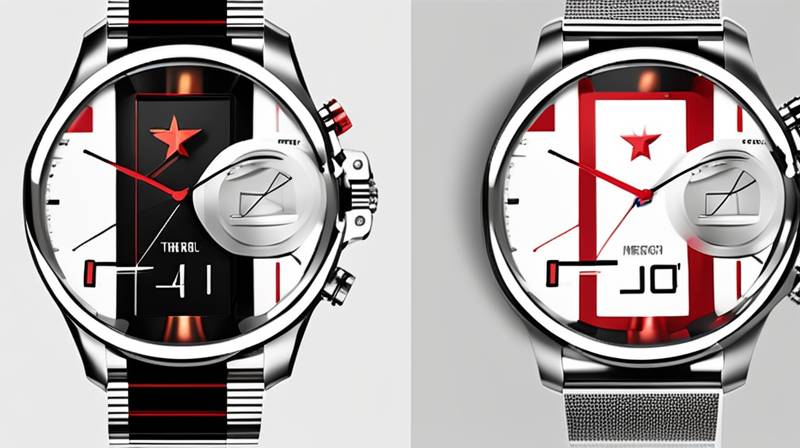
Tissot Star possesses various energy capacities depending on the model. 1. Tissot Star models typically utilize a quartz movement that offers exceptional precision and minimal energy consumption, allowing the battery life to reach up to 2-3 years. 2. Some variations integrate energy-efficient features such as solar technology, which can extend functionality far beyond traditional batteries. 3. In contrast, mechanical models offer a different energy approach, relying on the wearer’s activity to power the watch, showcasing a distinctive craftsmanship dedicated to both elegance and utility. 4. Overall, Tissot Star models exhibit a diverse range of energy technologies that cater to various consumer preferences in the horology market.
1. UNDERSTANDING ENERGY TYPES IN TISSOT STAR
Tissot Star, an esteemed name in horology, utilizes a variety of energy types across its diverse models, accommodating the preferences of a wide clientele. These energy sources range from traditional quartz movements to modern solar technology, showcasing the brand’s commitment to innovation while maintaining its legacy of quality craftsmanship. Each energy type offers distinct advantages, thereby ensuring that consumers can select a timepiece that best suits their lifestyle requirements.
The quartz movement, widely recognized for its accuracy, operates on a small battery that can last for several years before needing replacement. This mechanism relies on the oscillation of a quartz crystal, which produces a steady frequency, ultimately allowing for precise timekeeping. However, Tissot induces further variations within its quartz lineup, incorporating solar technology in select models to harness natural light, resulting in prolonged battery life and reduced environmental impact due to fewer batteries being discarded.
2. QUARTZ MOVEMENT AND BATTERY LIFE
When examining Tissot Star models with quartz movements, the operational mechanics present a fascinating interplay of simplicity and effectiveness. Typically, the lifespan of quartz watch batteries is between 2 to 3 years, thus simplifying ownership and maintenance. Notably, users benefit from the accuracy ensured by this technology, as quartz watches are renowned for their ability to deviate only a few seconds a month compared to their mechanical counterparts.
Additionally, Tissot Star incorporates innovative features within its quartz models that further extend battery life. Some of these advancements include energy-saving modes which activate during periods of inactivity, reducing battery drain. Furthermore, Tissot’s commitment to sustainability is evident through their efforts to create watches that minimize consumption without compromising on performance. This approach not only caters to environmentally conscious consumers but also enhances the longevity of the timepiece.
3. SOLAR TECHNOLOGY IN TISSOT STAR
Solar technology has gained considerable attention within the watchmaking industry for its forward-thinking approach to energy efficiency. Tissot Star has embraced this trend by integrating solar cells into certain models, allowing wearers to convert light into energy effortlessly. As daylight passes through the watch’s dial, it generates power that recharges the battery, which can lead to continuous functionality sine die, making these watches incredibly user-friendly.
Moreover, the transition to solar technology signifies a shift toward eco-friendliness. Since solar-powered watches do not rely on conventional batteries, the overall environmental impact is significantly reduced. Tissot Star’s incorporation of such technology illustrates the brand’s dedication to creating timepieces that are not only aesthetically pleasing but also align with modern sustainability practices. Consumers can wear a Tissot Star watch with pride, knowing it embodies efficiency and environmental consciousness.
4. MECHANICAL MOVEMENT AND AUTOMATIC WINDING
In contrast to quartz and solar technologies, some models within the Tissot Star range feature mechanical movements, offering an entirely different experience rooted in traditional watchmaking. These timepieces showcase the craftsmanship involved, functioning through a series of intricate gears driven by a mainspring. This mechanism winds automatically with the movement of the wearer’s wrist, eliminating the need for batteries altogether. Therefore, the energy generated becomes a direct reflection of the user’s engagement with the watch.
Understanding the appeal of mechanical movements requires an appreciation of their heritage. Collectors and enthusiasts often gravitate towards these models, celebrating the artistry involved in their construction. Each piece is a testament to craftsmanship, embodying techniques handed down through generations. The tactile experience of winding the watch manually or observing the mechanisms through the transparent case back reinforces an emotional connection between the wearer and the timepiece, setting mechanical watches apart as a symbol of horological intimacy.
5. ENERGY EFFICIENCY AND SUSTAINABILITY INITIATIVES
As global institutions emphasize the need for sustainability, Tissot Star aligns itself with these trends by investing in energy-efficient technologies. With the advancements in quartz and solar-powered innovations, Tissot’s models represent a commitment to reducing waste while fulfilling consumer demand for stylish and functional watches. While quartz movements may typically rely on batteries, the push towards solar energy diminishes this reliance significantly, heralding a new era for energy consumption in timepieces.
Additionally, Tissot Star’s exploration of materials plays a crucial role in their sustainability narrative. Many of the models employ eco-friendly substances in their production, thus minimizing environmental pollution and waste during the manufacturing process. The brand continuously seeks innovative solutions that enhance the durability and lifespan of their watches, allowing consumers to make informed choices that reflect a responsible approach toward luxury. These initiatives not only characterize a shift in corporate responsibility but resonate with environmentally aware audiences eager to contribute to a more sustainable future.
6. THE FUTURE OF TISSOT STAR’S ENERGY TECHNOLOGY
As the watch industry evolves, the future of Tissot Star’s energy technology looks promising. Embracing breakthroughs in technology, Tissot continues to explore new avenues to enhance the energy capabilities of its timepieces. By collaborating with pioneering researchers and engineers, the brand ensures that it remains at the forefront of innovation while adhering to its core values of precision and quality craftsmanship.
Anticipated developments within energy technology might include improved battery compositions or advanced solar cells that generate increased power even in low-light conditions. Moreover, the integration of hybrid models can provide the elegance of mechanical designs combined with the accuracy of quartz movements. Such innovations could redefine consumer experiences and expectations, positioning Tissot Star as a leader in sustainable watchmaking.
COMMON INQUIRIES ABOUT TISSOT STAR ENERGY CAPACITY
1. HOW LONG DOES A TISSOT STAR BATTERY LAST?
Tissot Star batteries typically have a lifespan ranging between 2 to 3 years, depending on the specific model and how frequently the watch is used. This battery life can vary due to multiple factors, including the type of movement, the complexity of additional features, and the owner’s frequency of use. Quartz models, which primarily power Tissot’s lineup, utilize batteries that minimize energy consumption while maximizing accuracy.
To ensure longevity, users are advised to monitor the performance of their Tissot Star. If the watch begins to lose time or stop functioning, it’s essential to have the battery replaced by a qualified technician familiar with Tissot products. Neglecting to address battery depletion may lead to deterioration in accuracy or potential damage to internal components. By adhering to regular maintenance protocols, including timely battery replacements, users can enjoy their timepieces for years to come.
2. CAN A SOLAR-POWERED TISSOT STAR LAST IN LOW LIGHT CONDITIONS?
Certainly, solar-powered Tissot Star models are designed to function optimally even in diminished light conditions. These timepieces are equipped with advanced solar technology that allows them to convert both natural and artificial light into energy. However, prolonged exposure to low-light environments may affect the recharging efficiency of the solar cells. It is advisable for users to periodically expose their solar-powered watches to brighter environments to maximize their charging potential.
In general, a fully charged solar watch can maintain functionality for several months without exposure to light. This impressive capability showcases Tissot’s commitment to creating energy-efficient timepieces that provide reliability regardless of usage circumstances. If the watch is consistently kept in dark environments, it may be prudent for users to recharge it through direct sunlight or artificial light sources periodically, ensuring its optimal performance remains unhindered.
3. WHAT ARE THE BENEFITS OF MECHANICAL TISSOT STAR TIMEPIECES?
Mechanical Tissot Star watches represent a unique segment of the brand’s lineup, and they offer distinct advantages compared to quartz models. One of the most notable benefits is the appreciation for craftsmanship. Mechanical watches embody intricate engineering, showcasing the artistry involved in their design and construction. Enthusiasts often appreciate the traditional charm and elegance that mechanical watches present, enhancing their allure beyond mere functionality.
Another advantage lies in their sustainability. Since mechanical Tissot Star watches do not rely on batteries, they reduce the level of waste associated with traditional battery-powered timepieces. The longevity of mechanical watches can exceed decades if properly maintained, which contributes to their appeal among collectors. Furthermore, the dynamic connection formed between the wearer and the watch through manual winding or observing the internal movements reinforces a sense of heritage amidst modernity, instilling pride in ownership.
The significance of energy in Tissot Star watches cannot be overstated, reflecting not only technological advancements but also profound craftsmanship that resonates with horology enthusiasts. The integration of quartz, solar, and mechanical movements each serves to satisfy varying consumer desires while ensuring robust performance and style. Tissot Star continues to innovate, committed to sustainability and efficiency amidst a rapidly evolving landscape, thus securing its position at the forefront of the watch industry. Discrete energy features manifest a convergence of luxury and responsibility, allowing consumers to own timepieces that transcend mere functionality by embodying an ethos correlated with contemporary values of consumer mindfulness.
Understanding the lineup of Tissot Star models involves evaluating the diverse energy options available, recognizing the importance of quality, efficiency, and environmental considerations. From the precision of quartz movements to the eco-friendly appeal of solar technologies, and the timeless allure of mechanical watches, each model invites owners to partake in a unique experience. With continued advancements on the horizon, Tissot Star demonstrates an unwavering dedication to delivering exceptional timepieces that reflect a marriage of art and innovation. Each watch thus tells not only the hour of the day, but also signifies a commitment to the future of horological excellence, making it a fascinating topic for exploration.
Original article by NenPower, If reposted, please credit the source: https://nenpower.com/blog/how-much-energy-does-tissot-star-have/

