

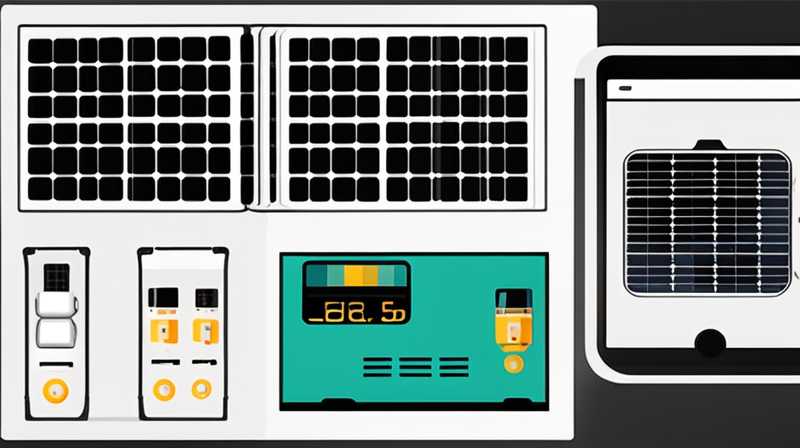
The efficiency of an A4 solar panel in terms of electricity generation is influenced by various factors, including sunlight availability, geographic location, and panel specifications. 1. A typical A4 solar panel can generate between 100 to 300 watts, 2. The actual output will depend on the angle and orientation of the panel, and 3. Performance drops in cloudy or rainy weather conditions. For those residing in areas with abundant sunlight, a properly positioned A4 solar panel can yield significant energy. When installed at optimal angles and aligned with the sun’s trajectory, the energy produced can meet substantial household needs or contribute efficiently to a larger grid. This article delves into the mechanics of A4 solar panels, their effectiveness, and various considerations impacting performance.
UNDERSTANDING A4 SOLAR PANELS
Solar energy is an increasingly popular alternative for sustainable power generation. Among various solar panel sizes and types, the A4 solar panel has gained interest due to its compact size and potential efficiency. Understanding its mechanics provides insight into how this technology harnesses sunlight to produce electricity.
The A4 size refers to a specific dimension, typically measuring about 210 x 297 mm (similar to a standard sheet of paper). When discussing the electricity generation capabilities of an A4 solar panel, it is essential to consider its power output, which can vary widely based on the technology used in the panel, the sunlight conditions, and the setup’s overall positioning. Generally, A4 solar panels can deliver anywhere from 100 to 300 watts under optimal circumstances.
Despite their modest dimensions, A4 panels can be fitted on rooftops, balconies, and even within portable solar kits. This versatility helps in making solar energy accessible to a broader audience, especially in urban settings. Some users find great utility in the flexibility of A4 panels, leveraging them for small household requirements or charging electronic devices.
FACTORS INFLUENCING ELECTRICITY OUTPUT
Numerous elements play a pivotal role in determining the efficiency of A4 solar panels. Understanding these factors allows individuals and businesses to maximize output.
1. SUNLIGHT AVAILABILITY
The amount of sunlight received at a specific location directly influences output. Solar panels rely on sunlight to generate energy, making their placement vital. Regions that experience uninterrupted, consistent sunlight produce higher levels of electricity. Communities situated closer to the equator generally receive more direct sunlight throughout the year, leading to improved energy generation.
Additionally, seasonality plays a significant role. For instance, summer months typically offer more extended daylight hours and increased solar exposure. Power generation rates will likely drop in winter due to shorter days and possible snow cover on panels. Furthermore, geographical aspects, such as any buildings or trees casting shade, can considerably lower energy production. Positioning A4 solar panels with an unobstructed view of the sky is crucial to ensure maximum exposure.
2. PANEL ORIENTATION
The angle and orientation of the A4 solar panel can also affect performance. Panels oriented correctly toward the sun’s path can absorb more light, resulting in enhanced energy generation. Tilt angles optimized for specific latitudes aid in maximizing sunlight capture throughout different seasons.
Mounting systems often allow for adjustments during peak sunlight intervals to further enhance output potential. Fixed installations might offer convenience, but rotating or tilt-adjustable systems enable users to realign panels relative to the sun’s trajectory regularly. This adaptability can significantly influence the annual energy yield from the solar panel.
3. PANEL EFFICIENCY
The inherent efficiency of the chosen A4 solar panel type also significantly impacts electricity generation. Various technologies exist, such as monocrystalline, polycrystalline, and thin-film panels, each with distinct efficiencies and characteristics. Monocrystalline panels typically boast the highest efficiency, commonly exceeding 20%, meaning they convert that percentage of sunlight into usable electricity. In contrast, polycrystalline panels may have efficiencies in the 15%-20% range.
While efficiency is crucial, the feasibility of installation and overall costs also plays a role. Should consumers need more compact energy solutions, the most efficient panels might yield the best results if their budgets allow. Understanding these trade-offs will help individuals decide on the appropriate technology for their specific requirements.
4. ENVIRONMENTAL CONDITIONS
Furthermore, the surrounding environment can have a significant effect on the output of A4 solar panels. Dust, dirt, and debris accumulations can obstruct sunlight, necessitating regular cleaning of the panels for optimal performance. Additionally, extreme weather events, such as heavy rainfall or snowfall, can hinder electricity generation by blocking light.
Heat and temperature forecasts also affect the panel’s performance. Solar panels generally have decreasing efficiencies as temperature rises above 25°C (77°F). This phenomenon suggests that hotter climates might experience some performance declines, despite prolonged sunlight hours. Proper management of temperature can ensure optimal functionality when using A4 solar panels.
INSTALLATION AND USAGE CONSIDERATIONS
When deciding to implement A4 solar panels, several operational, installation, and maintenance aspects should be evaluated.
1. INSTALLATION PROCESS
The installation of A4 solar panels can vary in complexity based on individual setups and existing infrastructures. For small projects, many homeowners pursue DIY options, leveraging readily available kits and guides for personalized installations. A thorough understanding of electrical systems and adherence to safety guidelines is vital.
For larger installations or where the homeowner lacks expertise, hiring professionals to install the panels is advisable. Competent electricians or solar technicians will ensure compliance with electrical codes and efficient configurations. Moreover, they can assist with required permits, reducing the risk of legal complications.
2. INVERTER FUNCTIONALITY
Another crucial component when operating A4 solar panels is the inverter. Solar inverters convert direct current (DC) generated by panels into alternating current (AC), which can then be utilized by home appliances or fed into the grid. When selecting an inverter, consumers should consider efficiency ratings and compatibility with their solar setup.
Additionally, some systems leverage battery storage, enhancing energy usage by storing excess power generated during peak sunlight hours for later use. Selecting the right inverter and any additional components influences the functionality and flexibility of A4 solar installations.
3. MAINTENANCE REQUISITES
Maintenance is essential for sustaining optimal performance levels in any solar power structure. Regular inspections to check for physical damage, debris on the surface, and wear on electrical components must be a part of the ongoing management approach.
Cleaning the panels is vital, as even a thin layer of dust can obstruct sunlight and reduce output. Particularly in areas of high pollen density or dust storms, it is worth considering dedicated cleaning schedules to maintain efficiency.
ECONOMIC IMPACT AND INCENTIVES
The financial ramifications of employing A4 solar panels can be substantial, influencing both consumers and broader energy markets. Initiatives and incentives become essential elements in decision-making when integrating solar technology into everyday life.
1. COST-BENEFIT ANALYSIS
Investing in solar energy projects, including A4 panels, can offer significant long-term savings on electricity bills and contribute to environmental sustainability. Although upfront costs can be considerable, many consumers witness a reduction in energy expenses over time, recouping initial investments within several years.
Monthly savings vary according to local energy prices, the size of the solar installation, and seasonal sunlight availability. In regions facing high utility costs, this energy transition can prove financially advantageous. Additionally, solar panels can also increase property values, making them attractive to future homeowners or investors.
2. GOVERNMENT INCENTIVES
Many governmental bodies recognize the importance of renewable energy technologies and offer a broad array of incentives, including tax credits, rebates, and grants for solar installations. For residents adopting A4 solar panels, these incentives can drastically reduce existing costs.
Several states offer net metering programs, allowing solar users to receive credits for surplus energy fed back into the grid. Such initiatives ensure that solar panel owners receive fair compensation for their contributions, promoting a thriving renewable energy market. Understanding available incentives is crucial for maximizing financial gains resulting from such installations.
3. ENVIRONMENTAL BENCHMARKS
From an ecological perspective, integrating A4 solar panels into daily life contributes to reduction goals in greenhouse gas emissions. Utilizing renewable energy resources eases reliance on fossil fuels, helping mitigate climate impacts.
Communities adopting solar technologies foster a positive environmental culture, encouraging further developments in sustainability practices. The long-term benefits of employing solar solutions align with global goals to address climate change. Adopting small-scale systems like A4 solar panels represents not only individual responsibility but contributes to a more significant collective effort.
COMMON MYTHS ABOUT A4 SOLAR PANELS
As solar technologies gain traction, various myths can mislead potential users. Dispelling these misconceptions promotes informed decision-making among prospective solar panel users.
1. EXPENSIVENESS IS PROHIBITIVE
One prevalent myth posits that solar panels remain prohibitively expensive for widespread adoption. While initial costs can be daunting, numerous financing options, subsidies, and decreasing panel prices challenge this narrative. Many financing provisions allow homeowners to pay based on energy savings, drastically reducing upfront expenditures.
Economic realities indicate that solar options are becoming increasingly viable for many households. Initial costs should not overshadow the long-term savings and environmental benefits garnered through sustained energy independence from traditional utility sources.
2. LESS EFFICIENT IN NYC OR SIMILAR CLIMATES
Another misconception is that solar panels are ineffective in urban environments or locations with extensive cloud coverage. In reality, urban areas can present ideal conditions for solar installations when strategically positioned to capture sufficient sunlight.
Moreover, advances in solar technology have enhanced performance under diverse climatic conditions. Manufacturers produce panels designed for varied geographic conditions, catering to different markets. Urban residents can leverage solar systems to gain a sustainable energy alternative, irrespective of their climate’s particulars.
3. Solar PANELS ONLY WORK IN DIRECT SUNLIGHT
Some people assume that solar panels need direct sunlight to function optimally. However, solar cells can still generate electricity during overcast conditions or through diffused light. Although output may decrease, A4 solar panels are notably more efficient than many assume. Understanding the limitations and capabilities of solar technology aids prospective users in setting realistic expectations for energy generation.
EXPLORING THE FUTURE OF A4 SOLAR PANELS
The future appears bright for A4 solar panels and similar technologies as innovations emerge. Continuous advancements in efficiency, versatility, and affordability pave the way for broader adoption in the renewable energy landscape.
1. INNOVATIONS IN TECHNOLOGY
Emerging technologies in solar panel design and efficiency enhancement are pivotal in the quest for sustainable energy solutions. Innovation has led to the development of photovoltaic materials with improved conversion rates, enabling compact units like A4 solar panels to generate significant loads.
Recent studies focus on producing transparent solar panels that can be integrated into windows, allowing buildings to harness solar energy without dedicating rooftop space. These breakthroughs signify that even smaller solar setups can embrace wider applications in diverse settings.
2. SUSTAINABLE ENERGY INITIATIVES
With an increasing awareness of climate change implications, numerous non-governmental organizations and institutional bodies actively promote sustainable energy initiatives. These endeavors often focus on educating the public about the advantages of solar installations, advocating policies that benefit renewable energy sources.
Individuals, corporations, and governments are collaborating to expand solar-energy advancements. Future economic prospects indicate increased institutional investment into solar technologies, positioning A4 panels as vital components in energy strategies across various sectors.
3. SOCIAL RESPONSIBILITY
The rising interest in A4 solar panels and their potential contributions signifies a broader movement toward environmental stewardship. Communities that prioritize renewable resources encourage civic responsibility and participation in sustainable practices.
Gains achieved through adopting A4 solar panels extend beyond energy savings. By taking part in the conversation around solar technology adoption, individuals can communicate the importance of renewable energy to neighbors, contributing to a cultural shift advocating for sustainability on all fronts. The interconnectedness of these themes produces a holistic approach to environmental conservation while encouraging social change on multiple levels.
FAQS
HOW LONG DOES AN A4 SOLAR PANEL LAST?
A4 solar panels typically have a lifespan of 25 to 30 years depending on the type and quality of materials used in the manufacturing process. Manufacturers often provide warranties that reflect these durations, assuring potential buyers that the product will maintain adequate performance for many years. However, actual performance can fluctuate based on environmental factors, installation quality, and maintenance practices. Regular inspections and upkeep can extend the life of solar panels significantly, ensuring sustained output throughout their lifespan.
The longevity of A4 solar panels also hinges on specific technological advancements, as newer materials and designs may offer improved durability. Advances like anti-reflective coatings or protective glass can guard against harsh weather and debris, which enhances longevity. Homeowners should consider these aspects when choosing a solar panel for optimal performance and durability.
WHAT ARE THE INSTALLED COSTS FOR A4 SOLAR PANELS?
The installation cost of A4 solar panels can vary significantly depending on numerous factors, including panel quality, inverter selection, roofing work, and regional labor expenses. Generally, the total expense of solar panel systems per watt installed can range from $2.50 to $4.50 or more. However, estimations are susceptible to rapid changes, particularly as demand for solar technologies continues to increase.
Apart from material costs, varying incentives, rebates, and financing options available for solar installations can substantially reduce initial investments. Lower costs attributed to the availability of products and technological developments also contribute to seeing a declining trend in overall installation prices.
Ultimately, individuals should explore financial incentives from both federal and local governments to further minimize the actual costs associated with A4 solar panel installations.
WHAT MAINTENANCE IS REQUIRED FOR A4 SOLAR PANELS?
Minimal maintenance is required to ensure A4 solar panels function efficiently over time. Regular inspections can help assess any potential issues, such as physical damage, dirt accumulation, or electrical wear. It is critical for users to maintain optimal performance levels, as even small interferences can impact energy output.
Cleaning solar panels is an essential part of maintenance, especially in regions subject to dust accumulation or severe weather conditions. Accumulated dirt or debris can obstruct sunlight, leading to diminished effectiveness. Typically, a gentle wash using filtered water and soft cloths is sufficient. Additionally, users can monitor their energy production and compare it with expected output levels, enabling timely detection of any performance discrepancies.
Proactive management allows users to maximize the capabilities of their A4 solar panels, ensuring they remain an effective energy solution for years to come.
The discussion surrounding A4 solar panels is crucial as societies worldwide shift towards sustainable energy practices. A thorough comprehension of their operational dynamics, influences on efficiency, economic benefits, and related technologies is essential. By considering these factors, individuals and businesses can unlock their full potential, contributing to broader environmental goals. Through this exploration of A4 solar panels, it becomes clear that engagement with renewable resources promotes long-term advantages, meeting both individual energy needs and global sustainability objectives efficiently.
Original article by NenPower, If reposted, please credit the source: https://nenpower.com/blog/how-much-electricity-does-a4-solar-panel/

