

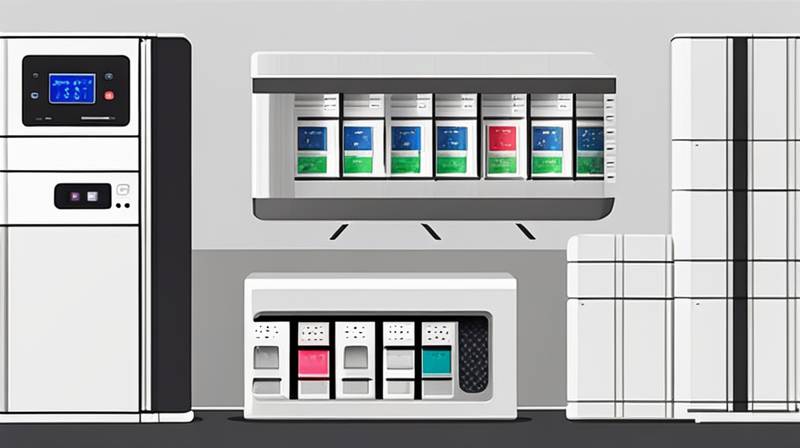
The cost of the HKUST energy storage cabinet can vary significantly based on a variety of factors, including 1. Technical specifications, 2. Capacity of the storage system, 3. Manufacturer pricing, and 4. Installation and ancillary equipment costs. The average pricing generally ranges between $5,000 and $20,000, depending on the features and scale of the system. A detailed examination of the technical specifications is particularly important, as they dictate the efficiency, safety, and longevity of the energy storage cabinet. Higher capacity systems, which can store considerable amounts of energy for larger applications, typically carry a premium price tag, emphasizing the need for buyers to evaluate their specific requirements before making a purchase.
1. TECHNICAL SPECIFICATIONS
Understanding the technical specifications of the HKUST energy storage cabinet is crucial for potential buyers. Technical specifications encompass a range of attributes, such as energy capacity, power output, cycle life, and efficiency ratings. These characteristics dictate how well the cabinet will perform under specific operational conditions, making it essential to scrutinize them closely. For instance, a cabinet with higher energy capacity can store more energy, providing better performance in peak load scenarios.
Additionally, the power output is indicative of how quickly energy can be released when needed. A system with high cycle life can endure many charge-discharge cycles without significant degradation, which is particularly important for users planning for long-term investments. Understanding these elements not only aids in making an informed decision but also impacts the total cost of ownership over time. Intelligent buyers often compile distinct needs and compare them against available products.
2. CAPACITY OF THE STORAGE SYSTEM
Capacity stands as one of the central considerations when delving into the pricing of the HKUST energy storage cabinet. The capacity directly correlates to the amount of energy the system can store, influencing both initial investment and operational cost efficiencies. For example, residential systems typically range from 5 kWh to 20 kWh, while commercial solutions may start from 20 kWh and can exceed 1 MWh.
This variance generates a spectrum of price ranges. Smaller systems are less expensive upfront but may lead to higher costs per unit of stored energy in the long run if frequent charging and discharging are required. Conversely, larger capacity cabinets entail a higher initial outlay but generally offer better returns, especially in environments that demand high energy utilization.
Potential buyers must assess not only their immediate energy storage needs but also their future requirements. Proper forecasting and analysis can lead to optimal investment decisions, potentially affecting supplier pricing and available options.
3. MANUFACTURER PRICING
The dynamics of manufacturer pricing add a complex layer to the overall understanding of costs related to HKUST energy storage cabinets. Each manufacturer operates under different business models, materials, technological advancements, and supply chain efficiencies, which contribute significantly to pricing. Companies that invest heavily in research and innovation often command higher prices, reflecting their cutting-edge technologies and superior performance metrics.
Moreover, brand reputation also plays a vital role. Established names in the industry may price their products at a premium due to perceived reliability and performance history, whereas newer entrants often adopt competitive pricing strategies to penetrate the market. This pronounced disparity in pricing necessitates a diligent market comparison to ensure buyers obtain the best value for their investment.
Understanding the underlying factors of manufacturer pricing encourages customers to focus not just on upfront costs but also on warranty services, customer support, and the availability of spare parts over time, which can significantly affect long-term satisfaction and cost.
4. INSTALLATION AND ANCILLARY EQUIPMENT COSTS
The installation process for the HKUST energy storage cabinet can be just as influential on total expenditure as the cabinet’s price itself. Installation often requires skilled technicians to ensure proper setup and configuration, which adds an additional layer of cost. Depending on the complexity of the installation—such as integrating with existing energy systems—prices may soar.
In addition, there are ancillary costs associated with the necessary equipment to install the energy storage system efficiently. These could include circuit breakers, cables, inverters, and even software for monitoring performance. Therefore, potential buyers must conduct an exhaustive cost assessment that includes both the cabinet price and associated installation costs.
Furthermore, selecting the appropriate installation team not only impacts initial costs but also influences operational performance. A well-executed installation ensures that the energy storage system operates at peak efficiency, thereby maximizing long-term returns on investment.
5. LONG-TERM FINANCIAL IMPACTS
Evaluating the financial implications of investing in an HKUST energy storage cabinet involves more than just the upfront purchase price. Long-term financial impacts encapsulate operational savings on energy bills, potential government incentives, and the value of increased energy independence. Many users may find that their energy storage system pays dividends through reduced dependence on grid power, particularly during peak usage hours when energy costs escalate.
Additionally, some governments provide incentives and rebates for investing in renewable technologies, including energy storage systems. This can effectively reduce the purchase price, making it a more financially appealing proposition. Furthermore, companies and individuals that utilize energy storage solutions often report increased financial resilience in markets characterized by unstable energy prices.
Thus, conducting a thorough evaluation on long-term financial benefits is vital, ensuring that individuals and businesses comprehend the complete financial landscape before committing to an energy storage cabinet investment.
FREQUENTLY ASKED QUESTIONS
WHAT IS AN HKUST ENERGY STORAGE CABINET?
An HKUST energy storage cabinet is a device designed to store electricity for later use, a crucial element in renewable energy systems and for enhancing power reliability. The cabinet functions by charging during periods of low energy demand or excessive energy generation, storing energy for use when demand increases or generation drops. They are particularly beneficial when paired with renewable sources, such as solar or wind, by allowing users to harness their generated energy more flexibly. The cabinets utilize advanced battery technologies to ensure high levels of efficiency and longevity, contributing to overall operational effectiveness. Various models exist, each tailored to meet specific energy needs, making it essential for potential users to assess their unique requirements when considering options.
HOW DO I DETERMINE THE RIGHT CAPACITY FOR MY NEEDS?
Determining the suitable capacity for an HKUST energy storage cabinet necessitates a comprehensive assessment of your energy consumption patterns. Start by analyzing your typical energy usage, factoring in peak and off-peak demand periods. Using energy bills or monitoring energy consumption over a month can provide valuable insights into your needs. Additionally, consider future increases in energy consumption, which may stem from expansions in your household or business operations. As a rule of thumb, aim to have storage capacity that aligns with your needs while allowing for some additional buffer for unexpected energy demands. Consulting with a professional can also aid in making a clear determination, enabling you to choose a cabinet that efficiently meets your requirements.
WHAT IS THE RETURN ON INVESTMENT FOR ENERGY STORAGE SYSTEMS?
The return on investment (ROI) for energy storage systems varies based on several factors, including installation costs, energy prices, and user behavior. Evaluating ROI begins with assessing energy savings achieved by utilizing the storage system during peak demand hours, which typically incurs higher rates. Users can potentially save a noteworthy percentage on their energy bills, leading to supplemented financial benefits over time. Additionally, pursuing governmental incentives or rebates can further amplify savings and shorten the ROI timeframe. The average payback period for many energy storage systems can range between three to seven years, depending on several of the previously mentioned factors. Ultimately, a thorough understanding of your energy consumption, local energy costs, and the specific benefits of your chosen system will shape your ROI expectations.
In summary, a thorough understanding of the HKUST energy storage cabinet is essential for potential buyers. By delving into the intricacies of pricing factors such as technical specifications, system capacity, manufacturer dynamics, installation costs, and long-term financial implications, informed and strategic decisions can be made. The price range of these systems reflects their robust capabilities, ensuring that investments align with specific needs and expectations. As the energy landscape continues to evolve with the push toward sustainable solutions, making the right choice regarding energy storage can have far-reaching effects, both economically and environmentally. Investing in an HKUST energy storage cabinet represents not merely an acquisition but a commitment to a more resilient and sustainable energy future. Whether for residential or commercial needs, the right cabinet can play a pivotal role in managing energy costs and enhancing energy independence, empowering users to meet their needs dynamically and efficiently.
Original article by NenPower, If reposted, please credit the source: https://nenpower.com/blog/how-much-does-the-hkust-energy-storage-cabinet-cost/

