

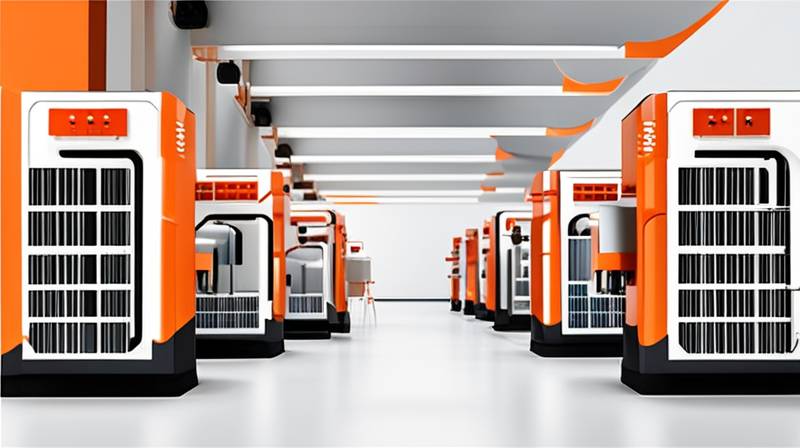
The cost of energy storage equipment in Shenzhen varies significantly based on several factors, including technology used, capacity, and integration with other systems. 1. Pricing typically ranges from hundreds to several thousand dollars per kilowatt-hour (kWh), 2. Market dynamics influence fluctuations in costs, 3. Local policies and subsidies play a critical role in pricing, 4. The selection of batteries—lithium-ion, lead-acid, or others—affects overall expenses. The rapid development of energy technologies in Shenzhen has positioned the city as a crucial player in the energy storage sector, leading to competitive pricing. Notably, while upfront investments can seem substantial, long-term savings through energy efficiency, grid stability, and reduced reliance on fossil fuels can justify the costs.
1. MARKET ANALYSIS OF ENERGY STORAGE EQUIPMENT IN SHENZHEN
The landscape of energy storage within Shenzhen is immensely dynamic, influenced by a medley of technological advancements, governmental policy, and market demand. In recent years, Shenzhen has become a hub for energy storage solutions due to its commitment to renewable energy. This region has prioritized the establishment of sustainable practices and embraces cutting-edge technologies, placing it firmly at the forefront of the global energy storage market.
With manufacturers and developers continually innovating, the prices of energy storage systems (ESS) in Shenzhen are evolving, leading to a substantial effect on the market overall. Growth in solar and wind energy has accentuated the need for efficient storage solutions, making Shenzhen an attractive destination for businesses investing in ESS technologies. This vibrant competition has led to enhancements in quality and reductions in cost, thereby altering the purchasing landscape.
2. TECHNOLOGIES IN USE
A diverse array of technologies constitutes the energy storage solutions available in Shenzhen. Predominantly, lithium-ion batteries command attention due to their high energy density, longevity, and decreasing costs. While initially expensive, advancements in manufacturing and heightened market demand have significantly reduced prices. Moreover, manufacturers are continuously optimizing battery chemistry to enhance performance and lifespan.
The emergence of alternative technologies, such as lead-acid, flow batteries, and emerging technologies like solid-state batteries, presents consumers with additional options. Lead-acid batteries, while heavier and less efficient, have a long-established market presence and lower initial costs, appealing to budget-conscious customers. Flow batteries offer a longer lifespan and greater safety, albeit at a higher upfront investment. By understanding the characteristics of these technologies, consumers can make informed decisions tailored to their unique energy needs.
3. COST ANALYSIS
Delving into the intricate pricing associated with energy storage equipment in Shenzhen reveals various dimensions to consider. On a fundamental level, the initial cost of a kWh may range from approximately $200 to $600, depending largely on the technology deployed. Additionally, larger storage systems typically benefit from economies of scale. Implementing a more extensive system can reduce the per-kilowatt cost, thereby enhancing affordability for users.
Furthermore, the installation process incurs additional expenses that must not be overlooked. Professional installation encompasses engineering, labor, and warranties, each contributing to the overall financial outlay. The installation costs can vary significantly, reflecting the geographical location and intricacies involved in integrating these systems with existing infrastructure. Thus, one must account for both equipment expenses and supplementary installation fees to gain a comprehensive understanding of the total investment.
4. GOVERNMENTAL INFLUENCES AND INCENTIVES
Governmental policies have played a pivotal role in shaping the energy storage landscape in Shenzhen. Local authorities have enacted numerous regulations and incentives to bolster energy storage investments. These measures range from tax benefits to grant programs aimed at encouraging businesses and homeowners to adopt energy storage technologies. By creating a conducive environment for innovation, the government seeks to foster a more sustainable energy future.
Subsidies are another essential aspect of this framework. Financial assistance programs can markedly lower the effective price of energy storage systems for consumers, making it more accessible for a broader audience to invest in these technologies. The impact of supportive policies cannot be understated, as they often drive demand and influence overall market competition, fostering an ecosystem that encourages investment in alternative energy solutions.
5. LONG-TERM RETURN ON INVESTMENT
A critical component of evaluating the cost of energy storage equipment lies in understanding the long-term return on investment (ROI). Although initial expenditures may appear daunting, energy storage solutions can lead to significant cost savings over time. For consumers utilizing renewable energy sources, energy storage systems offer the ability to store excess energy generated during peak production periods and utilize it during higher demand times, mitigating peak tariff costs.
Additionally, by participating in demand response programs, storage system owners can further enhance their ROI. These programs incentivize users to reduce consumption at peak times, leading to direct financial rewards. As energy costs continue to rise globally, the economic viability of energy storage systems becomes increasingly apparent, emphasizing the importance of this strategic investment.
6. FUTURE OUTLOOK
The future of energy storage within Shenzhen appears promising and rife with potential. Innovations in battery technology are anticipated to continue accelerating, resulting in better performance and cost-effectiveness. The momentum generated by regulatory support and market demand will likely catalyze continuous research and development efforts aimed at enhancing the efficiency of energy storage systems.
Moreover, as global and local markets progressively shift towards renewable energy sources, the requirement for reliable energy storage solutions will become paramount. Shenzhen is poised to adapt to changing dynamics and embrace alternative technologies like hydrogen storage and ultracapacitors. The evolution of energy storage technology will result in a more resilient energy infrastructure, greatly benefiting both commercial and residential sectors in Shenzhen.
COMMONLY ASKED QUESTIONS
WHAT FACTORS INFLUENCE ENERGY STORAGE EQUIPMENT COSTS IN SHENZHEN?
A variety of factors contribute to the pricing structure for energy storage equipment in Shenzhen. The foundational element is the technology utilized, as different types vary widely in both performance and cost. Lithium-ion batteries are currently the most prevalent, offering high efficiency at comparatively lower long-term costs, though initial expenses can be significant. In contrast, alternatives like lead-acid batteries have lower upfront costs but less longevity. Another crucial factor is the scale of the installation. Larger systems tend to benefit from economies of scale, reducing the overall cost per kWh significantly. The interplay between local market conditions, research and development efforts, and evolving regulatory frameworks also plays an integral part in determining pricing. Furthermore, incentives and subsidies provided by the government contribute to the overall affordability of these technologies for both businesses and consumers.
ARE THERE FINANCIAL ASSISTANCE OPTIONS AVAILABLE FOR ENERGY STORAGE?
Yes, financial assistance for energy storage solutions in Shenzhen is readily available. The local government has implemented various programs designed to stimulate investment in energy storage technologies among both residential and commercial users. Subsidies and tax incentives represent the most common form of support, effectively lowering the initial costs associated with purchasing and installing storage systems. Grants may also be accessible for projects that promote renewable energy or energy efficiency. In addition to these initiatives, financial institutions may offer favorable loan arrangements specifically tailored for energy storage investments. The cooperative efforts of various stakeholders, including governmental entities and financial institutions, work collaboratively to ensure consumers have the necessary resources to leverage energy storage solutions, encouraging wide acceptance and integration of these technologies.
HOW CAN ONE DETERMINE THE APPROPRIATE ENERGY STORAGE CAPACITY FOR THEIR NEEDS?
Determining the appropriate energy storage capacity involves evaluating several key factors unique to individual circumstances. Initiating this assessment requires an inventory of energy consumption patterns, focusing on daily and peak usage. Users must analyze their electricity bills to ascertain total monthly usage in kilowatt-hours, which provides a baseline for calculating required storage capacity. Additionally, understanding the energy output of any renewable sources, such as solar panels, is essential. One must also consider external factors such as local grid demands, potential resale of excess stored energy, or future expansions in household energy usage. Through this thorough evaluation process, one can ascertain a suitable energy storage capacity that aligns with personal or business energy strategies, ensuring efficient utilization and sustainability.
STRATEGIC TAKEAWAYS
A comprehensive analysis indicates the cost of energy storage equipment in Shenzhen is influenced by multiple factors, inclusive of technology choice, installation complexities, and government incentives. Strategic investments in energy storage not only offer immediate benefits in energy management but also promise long-term economic returns through savings on energy bills. Embracing the advancements in energy storage technology fosters a sustainable future and positions Shenzhen as a leader in the renewable energy paradigm. Additionally, as market dynamics evolve, pricing and product availability will adapt, thereby allowing consumers accessibility and control over their energy consumption. Fostering an environment conducive to innovation ensures continued advancements in energy storage technologies, further solidifying the importance of this sector within the energy landscape.
Original article by NenPower, If reposted, please credit the source: https://nenpower.com/blog/how-much-does-shenzhen-energy-storage-equipment-cost/

