

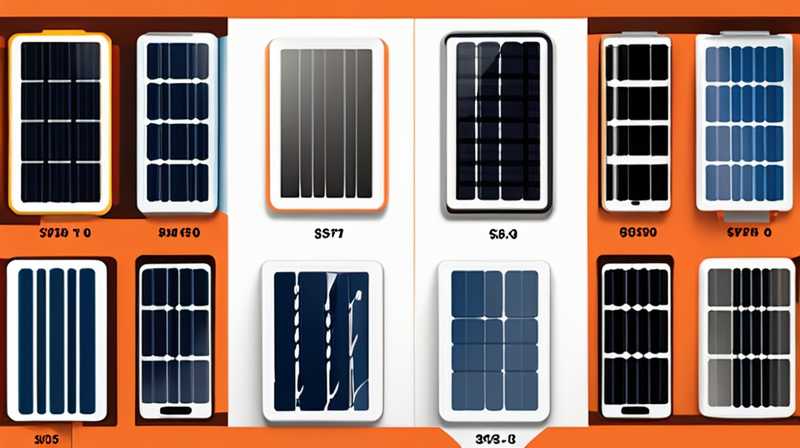
1. The cost of installing a wall-mounted solar panel can vary greatly based on several factors, including the size of the system, the type of solar panels, labor expenses, and additional components required for installation.
2. Typically, the range can be from $1,000 to $3,000 for a complete setup, but this might rise depending on specific requirements and local regulations.
3. Individuals should consider the long-term savings on energy bills, potential incentives, and financing options which can offset initial costs.
4. Moreover, installation costs differ significantly by region, installation complexity, and whether additional electrical work is needed.
When contemplating the installation of a wall-mounted solar panel system, several components contribute to the overall financial investment. A comprehensive understanding of these elements will assist potential adopters in making informed decisions regarding their solar energy needs.
1. INITIAL COSTS
In the realm of solar energy solutions, initial expenses generally encompass the solar panels themselves, mounting equipment, inverters, and installation labor. Solar panels, often constructed from materials such as crystalline silicon or thin-film, vary in price based on efficiency and technology. Higher efficiency panels tend to cost more upfront but yield greater energy output over time, thus providing a beneficial return on investment.
Mounting equipment, which is vital for securing the panels to the wall, can include brackets, rails, and fasteners. The choice of materials can influence installation costs. Additionally, the inverter, which converts direct current (DC) from the solar panels to alternating current (AC) for household use, is another crucial component. Costs for these inverters can range significantly, particularly for consumers seeking advanced technologies such as microinverters or power optimizers.
2. LABOR EXPENSES
Expertise required for installation is another pivotal factor influencing the overall cost. Labor expenses can significantly vary depending on the complexity of the installation process and the experience of the contractors involved. A straightforward wall-mounted installation can generally be completed quickly. However, if the structure requires additional reinforcement or if the mounting involves intricate positioning, costs can escalate.
Furthermore, it’s essential to ensure that the installation complies with local building codes and regulations, as failing to meet these standards may lead to unforeseen additional expenses. Local solar companies often hire licensed electricians to handle connections, further increasing labor costs.
3. ADDITIONAL COMPONENTS
Various supplemental elements can contribute to the ultimate price of wall-mounted solar installations. Storage solutions such as batteries may be necessary for individuals wishing to store surplus energy produced during peak sunlight periods for use during low sunlight conditions. The costs associated with these storage systems can vary widely based on their capacity and technology, adding another layer of financial consideration.
Monitoring systems could provide insights into energy production and usage, enhancing the operational efficiency of a solar panel setup. While such systems may not be mandatory, their installation could range from a few hundred to over a thousand dollars.
4. INCENTIVES AND FINANCING OPTIONS
Numerous incentives can offset installation costs significantly. The federal solar Investment Tax Credit (ITC) allows homeowners to deduct a substantial percentage of the installation costs from their federal taxes. Additionally, various states and local governments offer rebates or tax credits for solar installations, further decreasing out-of-pocket expenses.
Financing options, such as solar loans or leasing arrangements, enable consumers to pay for their solar systems over time rather than upfront. Home equity financing solutions, for example, can spread out payments without requiring large initial investments. It’s essential for consumers to evaluate these offerings thoroughly, ensuring they select the financing model that best aligns with their financial situation and expectations for energy savings.
5. LONG-TERM SAVINGS
The consideration of long-term savings becomes essential when evaluating the cost of installing a solar panel system. Solar energy can dramatically reduce electricity costs, particularly in areas with high utility rates. Over the lifespan of a solar system, which can exceed 25 years, potential savings on monthly energy bills can amount to thousands of dollars.
Moreover, individuals produce energy directly from the sun, insulating themselves from fluctuating utility prices. Depending on the state, solar energy users may also benefit from net metering credits for the electricity they contribute back to the grid, potentially offsetting costs further.
6. REGIONAL COST VARIATIONS
Regional differences play an instrumental role in determining installation costs.** Geographic location** affects both the component pricing and the cost of labor, with urban areas generally presenting higher rates than rural regions. Additionally, factors such as local climate and solar incentives create disparities in overall expenses.
It’s advisable for prospective customers to obtain multiple estimates from diverse installers within their locality. This practice not only ensures cost-effectiveness but also enables consumers to gauge the value presented by different firms, allowing them to consider the expertise and reputation of each contractor.
7. INSTALLATION PROCESS
Understanding the installation process provides transparency and can directly influence potential customers’ perceptions of obstacles and costs. A typical installation begins with a consultation wherein solar professionals assess the site for existing structures, roof conditions, and optimal panel placement for maximum sunlight exposure.
Following this assessment, installers prepare the necessary permits and documentation required by local governments and utilities. Installation typically occurs over the course of a couple of days, depending on the system’s complexity. The installers will attach the mounting brackets and solar panels securely, ensure all electrical connections are safe and meet local regulations, and perform a final inspection of the entire system to ensure everything operates effectively before handing control over to the homeowner.
8. MAINTENANCE AND UPKEEP COSTS
Although solar panel systems generally require minimal maintenance, it’s important to consider long-term upkeep costs in the budget. Regular inspections help to prevent potential issues and ensure optimal functioning. If panels become dirty or debris accumulates, cleaning might be necessary to maintain efficiency, though this often does not incur substantial costs.
Furthermore, inverter replacement may be necessary as inverters have a shorter lifespan than solar panels themselves, often requiring replacement every 5 to 10 years. This can pose additional recurring costs that potential buyers should factor into their financial planning.
9. TAX CREDITS AND REBATES
Several states offer unique incentives that can vary significantly based on locale. State-specific tax credits and rebates allow installations to be financed in more manageable ways. Some utilities might offer programs that further enhance savings by improving overall energy efficiency.
Seeking guidance from local solar companies about available programs can significantly improve financial outcomes associated with the investment in solar. A thorough understanding of local and federal incentives can help users maximize savings throughout their system’s operational life.
10. CONSIDERATIONS BEYOND COST
Beyond mere costs, consumers should delve into other aspects when contemplating a solar panel investment. Environmental sustainability and carbon footprint reduction are paramount considerations. Embracing solar energy contributes significantly to realigning energy consumption with eco-friendly practices, leading to lasting benefits for generations to come.
Innovation in solar technology continues to advance, promising improved efficiencies and cost reductions over time. Prospective buyers ought to remain abreast of developments in solar performance, which may affect both acquisition choices and their commitments to renewable energy.
COMMONLY ASKED QUESTIONS
WHAT FACTORS INFLUENCE THE COST OF INSTALLING SOLAR PANELS?
The financial obligations associated with solar panel installations are influenced by several parameters. First, location plays a pivotal role, as it dictates both labor and installation material costs. Second, panel type can significantly vary in pricing, with higher-efficiency models commanding premium rates. Additionally, the installation complexity and the requirement for supplementary systems such as inverters or batteries can further shape the final cost of the project.
ARE THERE LOCAL OR STATE INCENTIVES FOR SOLAR INSTALLATION?
Individuals interested in solar panel installations should diligently research local and state incentives available to them. Most local governments and states provide various financial benefits in the form of tax credits, rebates, or grants designed to hasten the adoption of solar technology. Engaging with local solar installers can provide critical insights into current programs, helping consumers navigate potential savings available with their installations.
HOW LONG DO SOLAR PANELS LAST, AND WHAT IS THE MAINTENANCE REQUIRED?
Quality solar panels often last upwards of 25 years or more with minimal maintenance required. Regular cleaning, inspection for debris accumulation, and ensuring the surrounding area remains clear are paramount for optimal efficiency. Furthermore, inverters may require replacement within a 5 to 10-year time frame, making it essential to budget for these potential maintenance costs appropriately.
Ultimately, investing in a wall-mounted solar panel installation can be a financially and environmentally sound decision. The diverse range of costs associated with installation is influenced by several factors, including the type of solar system chosen, the complexity involved in the installation process, potential maintenance obligations, and local financial incentives. By thoroughly investigating these considerations, individuals can make an informed choice that aligns with their energy needs and financial capabilities, paving the way for a more sustainable energy future. Investing in renewable energy sources like solar can create lasting environmental benefits while delivering significant long-term savings.
Original article by NenPower, If reposted, please credit the source: https://nenpower.com/blog/how-much-does-it-cost-to-install-a-wall-mounted-solar-panel-2/

