

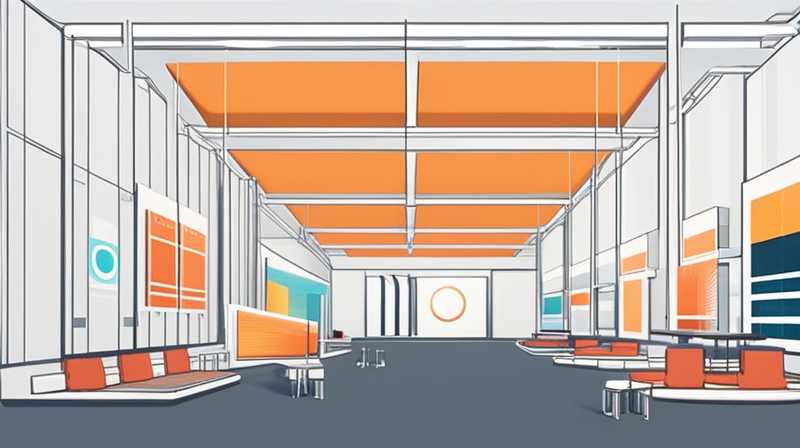
How much does it cost to design a solar exhibition hall?
The cost to design a solar exhibition hall varies based on several factors, including location, scale, materials, and complexity of design. 1. On average, expenditures range from $100 to $300 per square foot, 2. Influential factors include architectural and engineering designs, 3. Additional elements such as renewable energy systems can significantly raise total costs, 4. Government tax incentives may offset some expenses. A detailed breakdown of costs reveals that while basic constructions are straightforwardly priced, the specific requirements demanded for solar exhibition halls introduce a series of complex considerations. The integration of advanced technologies and sustainable designs can enhance value while affecting budget expectations.
1. UNDERSTANDING THE COST STRUCTURE
Designing a solar exhibition hall necessitates a comprehensive examination of the cost structure involved in the project. Such facilities serve as invaluable assets for promoting solar energy, which reflects a crucial advancement in sustainable practices. The overall fiscal commitment can be shaped by various elements, including the intended dimensions, stylistic features, environmental considerations, and technological integrations.
It’s essential to recognize that the preliminary phase of cost estimation involves identifying the purpose and scope of the exhibition hall. A fundamental understanding of the intended use can help project leaders accurately determine the required resources and budgetary allocations. Moreover, determining the audience and stakeholder expectations is key, as these factors play a crucial role in establishing the hall’s capacity and layout. Different exhibition functions such as educational activities, corporate events, or community outreach programs will necessitate varying designs, ultimately influencing construction expenses.
A deeper look into design complexity reveals substantial variations in cost, especially when integrating advanced building services like solar panels, energy-efficient systems, and green building materials. The necessity to comply with local building codes, zoning regulations, and environmental stipulations can further complicate the design process, resulting in additional costs. Environmental certifications such as LEED (Leadership in Energy and Environmental Design) may also be sought, translating to both increased investments and potential long-term operational savings.
2. LOCATION AND SITE SPECIFICATIONS
The geographical location of the solar exhibition hall significantly impacts the overall expenditure. Land acquisition costs, local labor prices, and prevailing construction regulations can differ markedly from one region to another. Urban areas often command higher rates for both land and labor, potentially inflating budget projections. Conversely, rural locations may present lower initial costs but could result in logistical challenges regarding accessibility and infrastructure.
Additionally, site-specific factors play a crucial role in determining final costs. Assessing the site involves considering topography, soil conditions, environmental impact assessments, and proximity to essential resources such as utilities and transportation networks. A carefully selected location can mitigate expenses related to infrastructure upgrades and enhance accessibility for visitors. The local climate is another determinant, influencing decisions regarding passive solar design, insulation requirements, and the selection of materials.
Site preparation may also incorporate expenses tied to land-clearing, grading, and drainage solutions. Thorough site evaluations and preliminary assessments ensure that unforeseen factors will not derail budget plans. Early investment in comprehensive site analysis can yield substantial cost benefits, reinforcing the importance of meticulous project planning and execution.
3. DESIGN FEATURES AND TECHNOLOGICAL INTEGRATIONS
The architecture of a solar exhibition hall is a distinctive element of the overall budget. Design features that prioritize aesthetics, functionality, and sustainability can contribute significantly to expenditures. Elements such as the choice of materials—particularly if sourced from sustainable suppliers—and the intricacy of architectural components directly affect construction costs.
Additionally, the inclusion of advanced technologies for demonstrating solar energy capabilities requires comprehensive resources. Interactive displays, educational exhibits, energy management systems, and renewable power sources must be integrated into the design, reflecting an investment in both technological capabilities and educational value. Architects and designers must collaborate effectively to ensure that both form and function are harmonized within the project.
Furthermore, the operational efficiency of the hall relies on effective design. Efficient space planning enhances visitor experiences and optimizes the layout for engaging exhibitions. Factors such as traffic flow, accessibility standards, and public safety must be systematically assessed, thereby introducing additional considerations into the design framework. As the project evolves, regular reviews with stakeholders are necessary to ensure alignment with both budget constraints and design objectives.
4. FINANCIAL INCENTIVES AND FUNDING OPPORTUNITIES
One significant aspect of financing a solar exhibition hall involves understanding the landscape of government grants, tax credits, and incentives available for renewable energy projects. Various programs are designed to support green initiatives and reduce overall costs significantly. Leveraging these incentives can help offset initial investment requirements and enhance affordability for project stakeholders.
Financial institutions and organizations focused on sustainability may provide loans or grants specifically for projects promoting renewable technologies. These funding opportunities can include low-interest loans or extended repayment periods, allowing organizations greater flexibility in managing their capital investment in renewable solutions. Exploring crowdfunding mechanisms and partnerships can also create additional avenues for financial support.
Moreover, evaluating different revenue streams is critical for facilitating long-term financial sustainability. Rental opportunities for hosting educational programs, workshops, and corporate events at the exhibition hall can provide continuous income, thus improving financial viability. Engaging diverse audiences, establishing sponsorships, and attracting potential partnerships will increase the hall’s visibility and support its mission.
5. TIMELINE FOR DESIGN AND CONSTRUCTION
Developing a precise timeline for designing and constructing a solar exhibition hall is crucial in managing expectations and budgeting accurately. The design phase typically involves multiple stages, including concept development, detailed design, and review processes. Each step requires collaboration among architects, engineers, and project managers to ensure that every aspect aligns with the initial vision and budget constraints.
Once the design is approved, the construction phase commences, a process that is equally time-consuming due to numerous factors. Selecting a qualified contractor is imperative, as they play a vital role in executing the project within the stipulated timeframe and budget. Potential delays may arise from unforeseen circumstances, including adverse weather conditions or supply chain disruptions. Hence, maintaining a regular protocol for communication ensures that all team members remain aligned with overall timeframes and project goals.
Monitoring progress through established milestones connects each phase of development efficiently, allowing stakeholders to make informed decisions moving forward. Ultimately, maintaining clarity about the timeline enables the project team to manage resources effectively and adapt to any changes that may arise during the design and construction processes.
FREQUENTLY ASKED QUESTIONS
WHAT ARE THE PRIMARY FACTORS THAT AFFECT THE COST OF DESIGNING A SOLAR EXHIBITION HALL?
Several key factors influence the expenses involved in establishing a solar exhibition hall. Firstly, the size of the facility plays a pivotal role. Larger spaces naturally demand more materials and labor, thus increasing costs significantly. Secondly, the complexity of architectural design contributes greatly to expenses. Creative and sustainable designs might require specialized materials or operational systems, which can drive up costs. Thirdly, the geographical location of the hall significantly impacts expenditures due to differing land costs, labor prices, and availability of local resources. Finally, the inclusion of technological features, such as solar panel systems or interactive displays, can greatly enhance the educational value of the hall but will also increase the initial investment requirement. Each of these elements must be carefully assessed to generate an accurate budget aligned with the project’s vision.
ARE THERE FINANCIAL INCENTIVES AVAILABLE FOR DESIGNING A SOLAR EXHIBITION HALL?
Yes, various financial incentives exist for designing and constructing solar exhibition halls. Numerous government grants and tax credits are available to support renewable energy initiatives, which can notably reduce overall costs. For instance, federal and state subsidies may provide financial assistance for businesses and educational institutions seeking to emphasize sustainable practices in their projects. Additionally, certain financing institutions focus on green initiatives and may offer favorable loans or grants to facilitate investments in renewable technologies. Engaging with local energy agencies may lead to discovering additional funding opportunities or environmental programs designed to promote solar energy and related educational endeavors. Properly navigating these financial options can significantly improve the overall viability of developing a solar exposition project.
HOW CAN I ENSURE MY SOLAR EXHIBITION HALL REMAINS SUSTAINABLE IN THE LONG TERM?
To guarantee the long-term sustainability of a solar exhibition hall, it is essential to prioritize operational efficiency and engage with potential revenue streams. This includes implementing renewable energy systems, such as solar panels, and regular maintenance practices for the technologies utilized. By creating a user-friendly layout that promotes educational experiences and community engagement, the hall can attract a diverse audience. Establishing partnerships and sponsorships can enhance visibility and foster a supportive network that encourages continued growth. Content diversity within the exhibitions can also extend the hall’s appeal, ensuring its relevance to various demographics. Consistent assessment of operational practices and environmental impact sustains the vision for the hall’s mission, promoting enduring value within the community.
The investment involved in crafting a solar exhibition hall entails various financially significant aspects that must be comprehensively understood and planned for. A prioritized approach to budgeting can help mitigate unexpected costs, ensuring alignment with both initial expectations and ongoing maintenance requirements. It begins with recognizing that costs are not solely determined by construction expenses but extend into operational expenditures, regulatory obligations, and community engagement strategies.
Thorough due diligence in planning the project’s scope, determining an appropriate location, creating an engaging design, and seeking financial incentives establishes a robust framework for success. Decision-makers must remain adaptable and vigilant throughout the project lifecycle, prepared to navigate economic fluctuations, changes in technology, and evolving community demands. Sustainable practices in both design and operation not only adhere to an environmental ethos but also resonate with the broader audience, fostering a culture of renewable energy awareness and advocacy. Integrating educational exhibits and interactive features allows visitors to promote a connection with solar technologies, which reflects the hall’s ultimate purpose.
Ultimately, the financial commitment made today serves as an investment in a future that prioritizes sustainability, education, and community engagement. Establishing a solar exhibition hall should be viewed as a multifaceted endeavor, combining technical efficiency, aesthetic appeal, and financial prudence. By ensuring thoughtful collaboration among stakeholders, aligning with community needs, and leveraging available financial resources, project leaders can achieve lasting value and impact within their communities and beyond.
Original article by NenPower, If reposted, please credit the source: https://nenpower.com/blog/how-much-does-it-cost-to-design-a-solar-exhibition-hall/

