

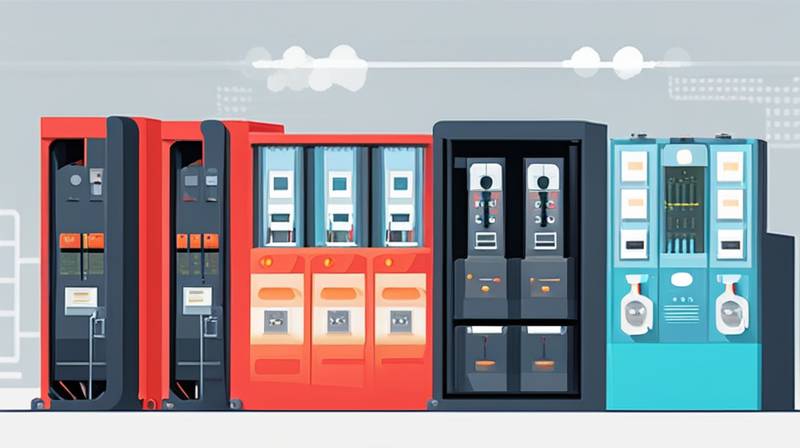
The cost of Guangxi energy storage machinery equipment varies based on various factors, including 1. equipment type, 2. capacity specifications, 3. technological features, and 4. market fluctuations. For instance, lithium-ion battery systems, popular for their efficiency and energy density, typically come at a premium compared to traditional lead-acid solutions. When considering capacity, larger systems generally result in economies of scale but can require substantial initial investment. Additionally, advanced features like smart grid compatibility and enhanced safety mechanisms may elevate the price. Various suppliers and manufacturers in Guangxi contribute to a dynamic pricing environment, reflecting both competition and individual product characteristics. Understanding these intricate details is essential for businesses considering energy storage solutions.
1. UNDERSTANDING ENERGY STORAGE NEEDS
The contemporary energy landscape has witnessed a surge in the necessity for energy storage solutions, particularly in regions like Guangxi. As renewable energy sources, notably solar and wind, become more prevalent, the efficiency in harnessing this energy and making it available during demand spikes has grown paramount. This demand is not merely theoretical; it strives to enhance grid stability and reliability, decrease carbon footprints, and provide alternatives for energy management during peak usage times.
Investment in energy storage machinery equipment is pivotal for various sectors, including agriculture, manufacturing, and commercial enterprises. Businesses nowadays recognize that an effective energy strategy not only maximizes operational efficiency but also serves to buffer against potential market volatility. With the energy storage sector’s expansion, stakeholders are increasingly scrutinizing not just the upfront costs of equipment but also long-term benefits such as reduced operational costs and improved energy security.
2. TYPES OF ENERGY STORAGE MACHINERY
Energy storage solutions can be divided into several categories, each catering to specific applications. The most prevalent types in Guangxi include lithium-ion batteries, lead-acid batteries, flow batteries, and compressed air energy storage systems. Understanding these categories will illuminate factors that influence their pricing and effectiveness.
Lithium-ion systems are frequently heralded for their efficiency and longevity. However, their initial cost can be significantly higher than traditional batteries. This price reflects their advanced technology, energy density, and lifecycle longevity. Conversely, lead-acid batteries offer a more budget-friendly option for smaller-scale operations but come with limitations in lifespan and energy density. While they require more frequent replacement and maintenance, their initial investment remains lower. Such considerations are crucial for potential buyers evaluating the financial implications of their choices.
3. COST FACTORS AND ECONOMIES OF SCALE
The pricing of energy storage machinery equipment is not just a straightforward calculation but rather a complex interplay of various factors. Economies of scale play a significant role; larger purchases tend to benefit from cost reductions per unit. This dynamic encourages businesses, particularly larger entities, to invest in expansive systems that promise to yield savings over time.
Furthermore, technological features such as smart integration into existing grids can considerably impact costs. Enhanced systems equipped with features capable of real-time energy management may possess a higher price tag but can ultimately lead to more substantial cost-effectiveness in energy usage and grid interaction over their operational lifespan. Thus, while the initial costs of such advanced systems may be daunting, the total cost of ownership can often justify the investment.
4. SUPPLY CHAIN AND MARKET DYNAMICS
The market framework within which energy storage machinery equipment operates is influenced by numerous external and internal factors. The local supply chain in Guangxi contributes significantly to the cost variability of these systems. Raw material availability, particularly with respect to components essential for battery production, can considerably sway pricing structures.
Additionally, ongoing geopolitical tensions and fluctuations in global material prices – such as lithium and cobalt – create an unpredictable market environment. These uncertainties can feed into the regional pricing of energy storage systems, riddling potential customers with anxiety about future costs. Stakeholders must remain informed about these dynamics to navigate their investments strategically.
5. LOCAL MANUFACTURERS AND COMPETITIVE LANDSCAPE
A variety of manufacturers in Guangxi specialize in energy storage solutions, generating a competitive landscape that influences pricing and technological progress. Some local manufacturers focus on cost-effective solutions, aiming to cater to smaller enterprises with tighter budgets. Others invest heavily in research and development, creating high-end systems suited for large-scale operations.
This diversity enables potential customers to evaluate various vendors, considering both product offerings and service levels. Comparing and contrasting these options is essential. It allows businesses to determine which solutions align with their operational goals and financial capabilities, ensuring their selected energy storage systems meet their needs effectively.
6. FINANCIAL INCENTIVES AND GOVERNMENT POLICIES
Governmental support can considerably impact the financial landscape of energy storage investments. In Guangxi, policies aimed at encouraging renewable energy usage include incentives or subsidies for energy storage systems. These incentives can significantly reduce upfront costs and contribute to overall project viability.
Understanding the local energy regulations and potential grants is crucial for businesses seeking to adopt such technologies. By leveraging these offerings, organizations may enhance their return on investment while participating in carbon reduction initiatives. Consequently, staying informed about policy changes and new incentives is prudent for stakeholders in the energy storage market.
7. RETROFITTING EXISTING INFRASTRUCTURE
Another crucial consideration pertains to the capacity to retrofit existing infrastructure with energy storage systems. Many businesses may find themselves in the position of needing to modernize their operations without an extensive overhaul of their current setups. The costs associated with integrating new storage technology into established operations can vary widely based on the infrastructure’s age and compatibility with newer systems.
Such retrofitting endeavors may induce initial expenses, yet the long-term efficiency gains and potential savings on energy bills can validate the investment over time. Organizations must assess their current facilities and determine the feasibility and potential for upgrading to include energy storage technologies intelligently.
8. LONG-TERM ROI CONSIDERATIONS
Analysis of energy storage systems should integrate a long-term perspective, underlining the return on investment (ROI) parameters. While the upfront costs can be substantial, reductions in energy bills, potential earnings from grid participation, and other savings can yield significant returns over time.
Moreover, the environmental benefits of adopting these technologies align with corporate social responsibilities increasingly valued by consumers and stakeholders alike. The integration of sustainable practices not only improves corporate image but can also provide competitive advantages in specific sectors. Evaluating energy storage solutions based on a broader understanding of their long-term financial and reputational impacts is essential for contemporary organizational strategies.
FREQUENTLY ASKED QUESTIONS
WHAT ARE THE INITIAL COSTS INVOLVED IN PURCHASING ENERGY STORAGE EQUIPMENT?
The initial costs of acquiring energy storage machinery equipment can differ extensively based on various factors. These include the type of system purchased, its capacity, and any additional features such as smart grid compatibility or advanced safety mechanisms. For lithium-ion batteries, for instance, the pricing can fluctuate between thousands to tens of thousands of dollars per unit, depending on the technology level and brand. Lead-acid options, while generally cheaper, may not offer the same longevity or efficiency, which could lead to higher long-term costs. It’s crucial for potential buyers to account for installation, maintenance, and operation and gather comprehensive quotations from suppliers for a thorough comparison.
HOW DO GOVERNMENT INCENTIVES AFFECT ENERGY STORAGE EQUIPMENT COSTS?
Government incentives can substantially influence the initial and ongoing costs associated with energy storage equipment. Many regions implement financial aids such as tax breaks, subsidies, or rebates to encourage businesses to invest in sustainable energy solutions. In Guangxi, for example, local policies may promote renewable energy initiatives, thereby lessening the financial burden on enterprises. Such incentives can dramatically reduce the capital needed for investment, augmenting the appeal of energy storage technologies for businesses. It’s essential for stakeholders to stay updated on these opportunities to maximize their potential savings and make informed decisions.
IS IT WORTH RETROFITTING EXISTING SYSTEMS WITH ENERGY STORAGE EQUIPMENT?
When contemplating whether to retrofit existing operations with energy storage equipment, various factors must be taken into account. The potential long-term benefits, including enhanced energy efficiency, lower operational costs, and sustainability improvements, often outweigh the initial investment. Organizations can derive substantial returns through reduced energy bills and potential earnings from grid participation. However, assessing the compatibility of existing systems with newer energy storage technologies is crucial to understand the expenses and benefits involved. Comprehensive analysis coupled with a long-term view is essential in determining whether retrofitting is a strategic move for the business’s future.
CONSIDERATIONS ON A LONG-TERM VIEW OF ENERGY STORAGE
When evaluating energy storage machinery equipped in Guangxi, a comprehensive perspective on long-term dividends is essential. The complexities surrounding the cost structures, market dynamics, and supplier relationships necessitate an informed approach to investment. While the upfront expenditures may appear daunting, the long-term returns from effective energy management, potential reductions in energy expenditures, and benefits derived from governmental incentives conjure a favorable narrative.
Stakeholders must navigate these multifaceted considerations carefully, weighing the immediate budget impacts against future operational benefits and the increasingly salient aspect of environmental responsibility. As global trends shift toward sustainability, the integration of energy storage solutions becomes not just a financial investment but also a strategic imperative for ensuring competitive positioning in the marketplace. Emphasizing a well-rounded strategy will facilitate improved decision-making, leading to optimized resource management and sustainable growth trajectories. Understanding how local dynamics, technology features, and market shifts influence energy storage costs lays the groundwork for successful engagements and strategic planning.
Original article by NenPower, If reposted, please credit the source: https://nenpower.com/blog/how-much-does-guangxi-energy-storage-machinery-equipment-cost/

