

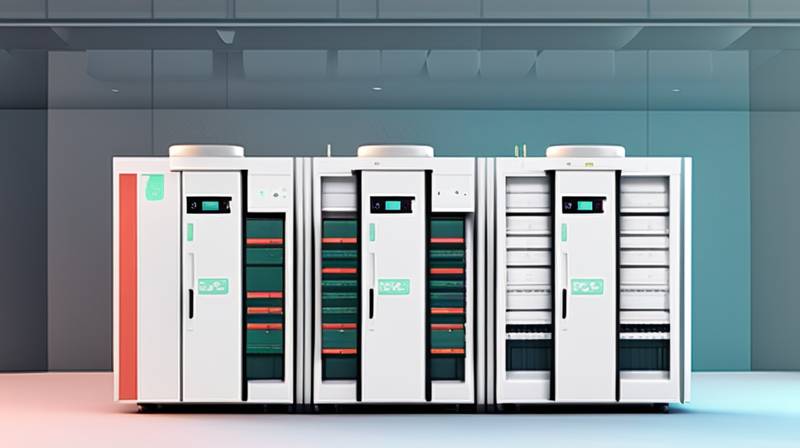
1. The cost of a commercial energy storage cabinet can vary significantly based on several factors, including capacity, technology type, installation requirements, and manufacturer brand. Generally, prices can range from $10,000 to $500,000 or more, depending on the size and features of the system. For instance, lithium-ion models tend to be more expensive due to their efficiency and performance, while other technologies like lead-acid may offer a lower upfront investment but come with higher long-term operational costs. Furthermore, installation expenses, maintenance agreements, and any necessary infrastructure modifications can also increase the overall price of commercial energy storage solutions. A thorough evaluation of specific needs and available technology options will lead to a more accurate estimate.
1. UNDERSTANDING ENERGY STORAGE CABINETS
What is an Energy Storage Cabinet?
Energy storage cabinets are sophisticated units designed to store electrical energy for later use, thereby facilitating improved energy management for commercial and industrial setups. These solutions can capture energy during low-demand periods and release it during peak demands, ultimately providing cost savings and energy efficiency. The technical architecture of these cabinets often employs various battery technologies, with lithium-ion and flow batteries being the most prevalent.
The choice of technology impacts not only the initial investment but also longevity, efficiency, and maintenance requirements. With the rising need for renewable energy integration and grid reliability, commercial energy storage cabinets have garnered remarkable attention. Furthermore, regulatory incentives and utility programs may support their adoption, adding diverse financial dimensions to their overall cost analysis.
Economic Implications of Energy Storage Systems
The expense associated with purchasing and installing energy storage systems is often evaluated in light of long-term savings and return on investment. By utilizing stored energy during peak demand hours, businesses can significantly lower their electricity expenses. Moreover, organizations that integrate such systems may benefit from demand response programs, which compensate users for reducing power use during high-demand periods.
The overall economic benefits derived from enhanced energy management can sometimes offset initial capital expenditures. Evaluating potential energy savings, procurement incentives, and operational cost reductions can provide greater clarity on the financial aspects of adopting these technologies. Also, understanding local utility structures and tariff schedules may yield advantageous opportunities for financial optimization.
2. FACTORS INFLUENCING COST
System Size and Capacity
One of the most significant influences on the pricing of commercial energy storage cabinets is their overall capacity, commonly measured in kilowatt-hours (kWh). Larger systems equipped to handle more electrical storage generally incur higher costs due to the more considerable investment in materials and technology. Depending on the intended application, businesses may need to determine the necessary energy demand that their storage solution will address.
For example, companies aiming to store energy for high-demand operations may require more extensive systems capable of managing substantial loads. Conversely, smaller operations focusing on backup power or short-term energy needs might find smaller-capacity options more cost-effective. A comprehensive energy audit can help pinpoint the appropriate capacity based on historical usage patterns and future growth projections.
Battery Technology Selection
The choice of battery technology is another crucial factor influencing costs. Lithium-ion batteries are typically associated with higher upfront costs but are favored for their efficiency, longevity, and minimal maintenance requirements. On the other hand, lead-acid batteries are less expensive initially but may lead to higher expenses over time due to shorter lifespans and greater maintenance needs.
Emerging technologies, such as solid-state batteries, are also making their way into the market, promising even greater performance metrics. However, these newer options may carry higher initial development costs. Ultimately, selecting a battery type requires evaluating not only the upfront purchase price but also the entire lifecycle costs, including efficiency rates, performance, and reliability. It is essential to conduct a comprehensive analysis to determine which technology best suits specific operational needs and budget constraints.
3. INSTALLATION AND INFRASTRUCTURE COSTS
Installation Requirements
The installation of an energy storage system involves not only the physical integration of the unit but also considerations regarding electrical and structural modifications to support the equipment. Depending on the complexity of the system and the existing infrastructure, installation expenses can vary significantly.
In some cases, existing electrical setups may necessitate upgrades or reinforcements to accommodate higher loads and support system functionality. This could mean expenses related to cabling, grid connectivity, and adjustments to existing energy management practices. Consequently, working with experienced contractors and energy consultants is crucial to ensure a well-planned installation process. Consultation can help identify any potential complexities upfront, thereby minimizing unforeseen future costs.
Permitting and Regulations
Moreover, navigating local regulations and codes is integral to the installation process. Permitting timelines can also introduce delays, impacting operational readiness. Compliance with safety standards, environmental regulations, and grid interconnection requirements can result in additional costs if not factored into the initial project budget.
Organizations must therefore engage with local authorities early in the planning process to understand the permitting landscape and associated costs fully. Moreover, active engagement in regulatory discussions can promote awareness of available incentives for energy storage implementation. By considering these factors in the budgeting phase, companies can better anticipate expenses associated with the deployment of energy storage cabinets.
4. MAINTENANCE AND OPERATING COSTS
Ongoing Upkeep
Once installed, energy storage cabinets will require regular maintenance to ensure operational efficiency and maximum lifespan. The maintenance procedures may include inspections, cleaning, and potential software upgrades, depending on the technology deployed. Different battery types will have various maintenance needs, and organizations should be prepared for periodic service costs.
For instance, lithium-ion systems generally have lower maintenance needs compared to lead-acid counterparts. Developing a strategic maintenance schedule can help mitigate unexpected failures and extend the system’s useful life, consequently minimizing the total cost of ownership. Budgets should allocate sufficient funds to account for these operational upkeep needs over the system’s lifecycle.
Energy Management Costs
Managing energy storage effectively often involves investments in energy management systems, which utilize software to monitor, analyze, and optimize energy usage and storage. These systems can incur software licensing fees, hardware upgrades, and staffing requirements to operate effectively.
Moreover, training personnel to understand and handle the software’s functionalities adds another layer of operational costs. Engaging with skilled professionals ensures the energy storage solution is utilized to its full potential, contributing to overall economic efficiency. Companies may weigh these costs against prospective returns to ascertain viability, thereby making informed decisions in line with broader organizational objectives.
5. POTENTIAL SAVINGS AND INCENTIVES
Energy Cost Savings
Energy storage systems provide substantial opportunities for cost savings. By capturing low-cost power during off-peak hours and utilizing it during peak demand periods, organizations can significantly reduce energy expenditures. Depending on local utility pricing models, these savings can multiply over time, offsetting initial investments.
Moreover, businesses can capitalize on demand response initiatives offered by utilities, earning incentives for reducing energy consumption during peak periods. This aspect represents a dual benefit: not only do companies save on electricity bills, but they also receive compensation for being proactive in managing energy loads.
Evaluation of financial metrics, such as payback periods and internal rates of return, can illuminate the viability of such savings within an organization’s financial framework. In this way, integrating energy storage solutions creates avenues for enhancing financial performance over both short- and long-term horizons.
Government Incentives
In many jurisdictions, government programs and rebates aim to encourage the adoption of energy storage systems as part of broader sustainability goals. These incentives can significantly alleviate the financial burden of purchasing and implementing these technologies. Tax credits, grants, and low-interest financing options are common forms of financial assistance available.
Engaging with local energy agencies or utility companies can reveal enticing opportunities for funding and support, potentially transforming initial cost barriers into manageable expenses. By identifying and securing these financial incentives, organizations can make energy storage systems an integral component of their operational strategy while enhancing their sustainability profile.
FAQS
HOW DO I CHOOSE THE RIGHT ENERGY STORAGE CABINET?
Selecting the appropriate energy storage cabinet involves evaluating the specific energy demands and applications of your business. Start by conducting a comprehensive energy audit to assess both historical energy consumption patterns and future energy needs. After establishing a firm understanding of capacity requirements, explore different battery technologies, considering the trade-offs between upfront costs, efficiency, maintenance needs, and desired lifespans for each option. Furthermore, factor in installation requirements, associated infrastructure adjustments, and local incentive programs that may reduce financial burdens. By synthesizing these factors, an informed decision regarding the optimal energy storage cabinet can be achieved.
WHAT ARE THE ADVANTAGES OF LITHIUM-ION BATTERIES OVER LEAD-ACID BATTERIES?
Lithium-ion batteries provide numerous advantages compared to lead-acid counterparts. Firstly, they typically exhibit higher energy density, allowing for more storage in a smaller footprint. Moreover, lithium-ion batteries have longer lifespans and lower self-discharge rates, contributing to reduced replacement expenses and maintenance needs. Additionally, these batteries demonstrate superior efficiency rates in charging and discharging cycles, resulting in lower operational costs in the long run. However, while initial investment costs for lithium-ion systems may be higher, the overall savings and benefits can justify their adoption in many commercial applications.
WHAT ARE THE LONG-TERM BENEFITS OF INSTALLING ENERGY STORAGE CABINETS?
The long-term benefits of installing energy storage cabinets extend beyond mere electricity savings and encompass operational stability, sustainability improvement, and enhanced energy independence. Industrial and commercial entities can leverage stored energy during peak demand periods, reducing energy costs significantly. Energy resilience may also be bolstered, ensuring continuous operation during power outages. Additionally, implementing energy storage solutions aligns organizations with sustainability goals by integrating renewable energy sources and promoting reduced carbon footprints. Collectively, these benefits form a robust value proposition that can positively impact a company’s bottom line and environmental commitments over the long term.
The adoption of commercial energy storage cabinets represents a strategic move towards enhancing organizational efficiency, resilience, and sustainability. Engaging with various battery technologies, evaluating associated costs meticulously, and addressing installation requirements meticulously can help businesses assess the total investments accurately. Moreover, understanding maintenance needs and leveraging available government incentives can yield sustainable economic advantages over both short and extended timeframes.
Being proactive in energy management can not only mitigate operational costs but also align companies with broader community and environmental goals. As businesses navigate through evolving energy landscapes, integrating effective energy storage solutions will prove instrumental in establishing long-term competitiveness and operational excellence. By carefully analyzing and executing these strategies, organizations can contribute positively to their operational environments while fostering economically responsible practices. Continual assessment and adaptation will ultimately yield the maximum benefits from energy storage solutions, fragmenting initial investment barriers and guiding operational success in the modern energy economy.
Original article by NenPower, If reposted, please credit the source: https://nenpower.com/blog/how-much-does-a-commercial-energy-storage-cabinet-cost/

