

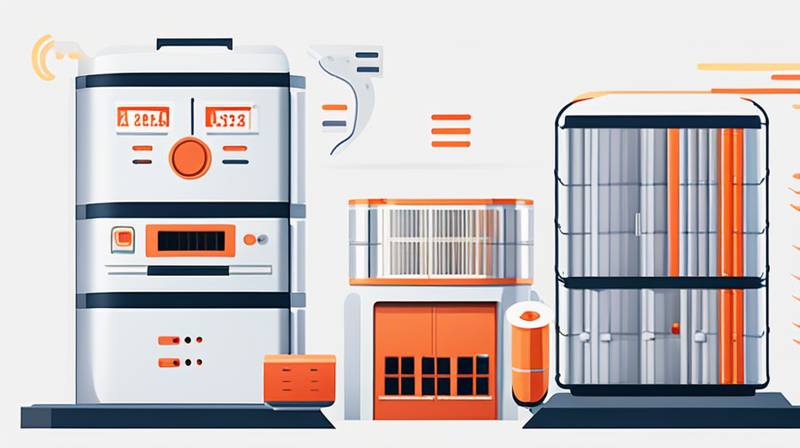
Shenzhen Industrial and Commercial Energy Storage can save a significant amount through various means. 1. Operational Efficiency, integrating energy storage systems helps in managing peak load demands, thereby reducing electricity costs. 2. Demand Charge Reduction, businesses can decrease the peak demand charges imposed by utilities, leading to substantial savings over time. 3. Renewable Energy Utilization, energy storage allows for better use of renewable energy sources, maximizing self-consumption and reducing reliance on grid power. 4. Grid Support Services, energy storage systems can provide ancillary services to the grid, generating revenue that offsets operational costs. The detail pertaining to Operational Efficiency reveals that energy storage can optimize energy usage, allowing businesses to consume energy during off-peak hours when rates are lower, and discharge stored energy during peak hours when prices spike, thus leading to significant cost reductions.
1. UNDERSTANDING ENERGY STORAGE IN SHENZHEN
The industrial and commercial sectors in Shenzhen have increasingly adopted energy storage technologies as a means to address energy efficiency challenges. This adoption is fueled by various factors including policy incentives, technological advancements, and the growing demand for reliable energy sources. Understanding energy storage systems is essential to grasp the potential savings that can be incurred.
Energy storage solutions encompass various technologies, including lithium-ion batteries, flow batteries, and more innovative systems such as compressed air and thermal energy storage. Each of these systems offers unique advantages depending on the nature of a business’s energy consumption patterns, operational requirements, and financial objectives. For instance, lithium-ion batteries have gained popularity due to their high efficiency and compact size, making them an ideal choice for commercial applications.
In Shenzhen, industrial sectors face unique challenges, such as high energy costs and stringent environmental regulations. Energy storage serves as a strategic tool for organizations aiming to mitigate these challenges. By investing in such systems, businesses can enhance their competitiveness while contributing to sustainability efforts, thereby aligning with national initiatives to promote clean energy.
2. ECONOMIC BENEFITS OF ENERGY STORAGE
Implementing energy storage technologies presents a variety of economic benefits that have been crucial for industries in Shenzhen. The initial investment in energy storage may seem substantial; however, the long-term savings far outweigh the upfront costs. First and foremost, the reduction in electricity costs is a leading driver behind the adoption of these technologies.
By storing energy during off-peak hours when prices are lower, businesses can use the stored energy during peak pricing periods. This practice minimizes reliance on peak power, which often carries significantly higher costs, thus leading to marked savings in monthly utility bills. Additionally, companies can avoid demand charges imposed by utility providers, which penalize businesses for drawing too much electricity during peak periods. With energy storage, it becomes feasible to flatten demand peaks and manage consumption more effectively, translating into tangible financial benefits.
Moreover, there are indirect savings associated with energy storage systems. For example, businesses that utilize storage solutions are better positioned to navigate the fluctuations in energy prices, enhancing their financial resilience. Moreover, participating in energy markets and selling stored energy back to the grid during peak times can yield additional revenue streams. This demonstrates how energy storage not only cuts costs but also creates opportunities for optimized energy utilization and revenue generation.
3. ENVIRONMENTAL IMPACT AND SUSTAINABILITY
The environmental implications of energy storage systems cannot be overlooked, particularly in a forward-thinking city like Shenzhen. As industries strive to minimize their carbon footprints, energy storage technologies emerge as a critical component in achieving sustainability goals. By integrating renewable energy sources, businesses can significantly reduce greenhouse gas emissions.
Energy storage facilitates the adoption of solar and wind energy by ensuring that energy generated during peak production times can be stored and utilized later when demand arises. This is especially significant for businesses looking to transition to clean energy sources. The ability to balance supply and demand while optimizing renewable energy utilization is paramount in reducing reliance on fossil fuels.
Additionally, energy storage contributes to grid stability—a factor increasingly relevant in contemporary energy discussions. A stable grid leads to greater reliability in energy supply, which is vital for industries prone to power outages or fluctuations. By investing in energy storage, businesses not only address their immediate energy needs but also contribute to a larger environmental picture, facilitating a transition toward more sustainable energy practices while supporting governmental and international climate goals.
4. THE FUTURE OF ENERGY STORAGE IN SHENZHEN
The trajectory of energy storage systems in Shenzhen shows great promise for the future. As technology continues to evolve, innovations will drive down costs and improve system efficiency, making energy storage more accessible to businesses of all sizes. Emerging technologies such as solid-state batteries and advanced flow batteries hold the potential to revolutionize the storage landscape by offering increased capacity and safety.
Moreover, Shenzhen’s government is actively promoting clean energy strategies through incentives and supportive policies, fostering an environment conducive to energy storage integration. The establishment of energy storage pilot projects in various industries demonstrates the city’s commitment, which is likely to accelerate the adoption of such technologies.
The convergence of public policy, technological advancements, and increasing economic pressure to reduce costs emphasizes that the future of energy storage is not only bright but also necessary for sustainable industrial growth. Shenzhen stands to be at the forefront of this transition, setting a precedent for other cities aiming to achieve energy efficiency and sustainability.
FREQUENTLY ASKED QUESTIONS
HOW DOES ENERGY STORAGE WORK?
Energy storage involves capturing energy produced at one time for use at a later time. It allows for the balance of supply and demand, particularly when renewable sources like solar and wind are in play. Energy is stored when production exceeds consumption—commonly in batteries or other storage systems—and released when demand spikes or during low production periods. Advanced technologies, like lithium-ion batteries, can efficiently store electricity, making them ideal for businesses aiming to optimize costs and enhance energy reliability.
In addition, various forms of energy storage exist, including mechanical systems like pumped hydro and thermochemical storage, each with unique operational principles. The choice of technology depends on specific needs, including energy capacity and application goals. Ultimately, energy storage enhances energy management strategies and helps organizations better utilize generated energy, leading to both financial savings and environmental benefits.
WHAT ARE THE BENEFITS OF USING ENERGY STORAGE FOR BUSINESSES?
Businesses utilizing energy storage systems enjoy a wide array of benefits, including significant cost savings, enhanced energy reliability, and environmental advantages. Cost-wise, companies can lower their electricity bills by minimizing peak demand charges and reducing overall energy costs by utilizing stored energy generated during lower-cost periods.
Additionally, energy storage opens avenues for revenue generation through participation in demand response programs or ancillary services for the grid. Moreover, adopting energy storage aids businesses in bolstering their sustainability efforts, as it promotes the integration of renewable energy sources, thereby reducing dependency on fossil fuels. Companies investing in these technologies demonstrate their commitment to environmental stewardship, which can enhance their brand image and appeal to environmentally conscious consumers, fostering competitive advantage.
HOW MUCH CAN COMPANIES SAVE BY IMPLEMENTING ENERGY STORAGE?
The amount saved by implementing energy storage systems can vary significantly based on several factors, including the size of the installation, energy consumption patterns, and geographic location. Generally, businesses can expect to save anywhere from 15% to 50% on their energy costs. Factors influencing the extent of savings include the business’s peak demand profile, the pricing structure of their utility provider, and the level of self-consumption of local renewable energy sources.
Additionally, financial benefits may grow over time as technologies evolve and energy prices fluctuate. Long-term planning and strategic analysis of energy usage are crucial to understanding the financial implications of investing in energy storage. Beyond direct cost savings, companies should also consider indirect benefits such as improved grid reliability and enhanced corporate sustainability, which can lead to long-term economic and brand advantages.
In summary, the potential for Shenzhen’s Industrial and Commercial Energy Storage systems to deliver substantial savings lies in their ability to optimize energy usage, reduce dependencies on peak power, integrate renewable resources, and enhance operational efficiency. This multifaceted impact not only favors individual businesses economically but also contributes positively to the broader environmental context. As energy policies and technologies continue to evolve, there exist significant opportunities for organizations willing to invest in these advanced systems. By adopting energy storage solutions, companies position themselves not only to capitalize on immediate monetary savings but also to assert their commitment toward fostering sustainable growth and innovation, thereby securing a competitive edge in today’s environmentally conscious market.
Original article by NenPower, If reposted, please credit the source: https://nenpower.com/blog/how-much-can-shenzhen-industrial-and-commercial-energy-storage-save/

