

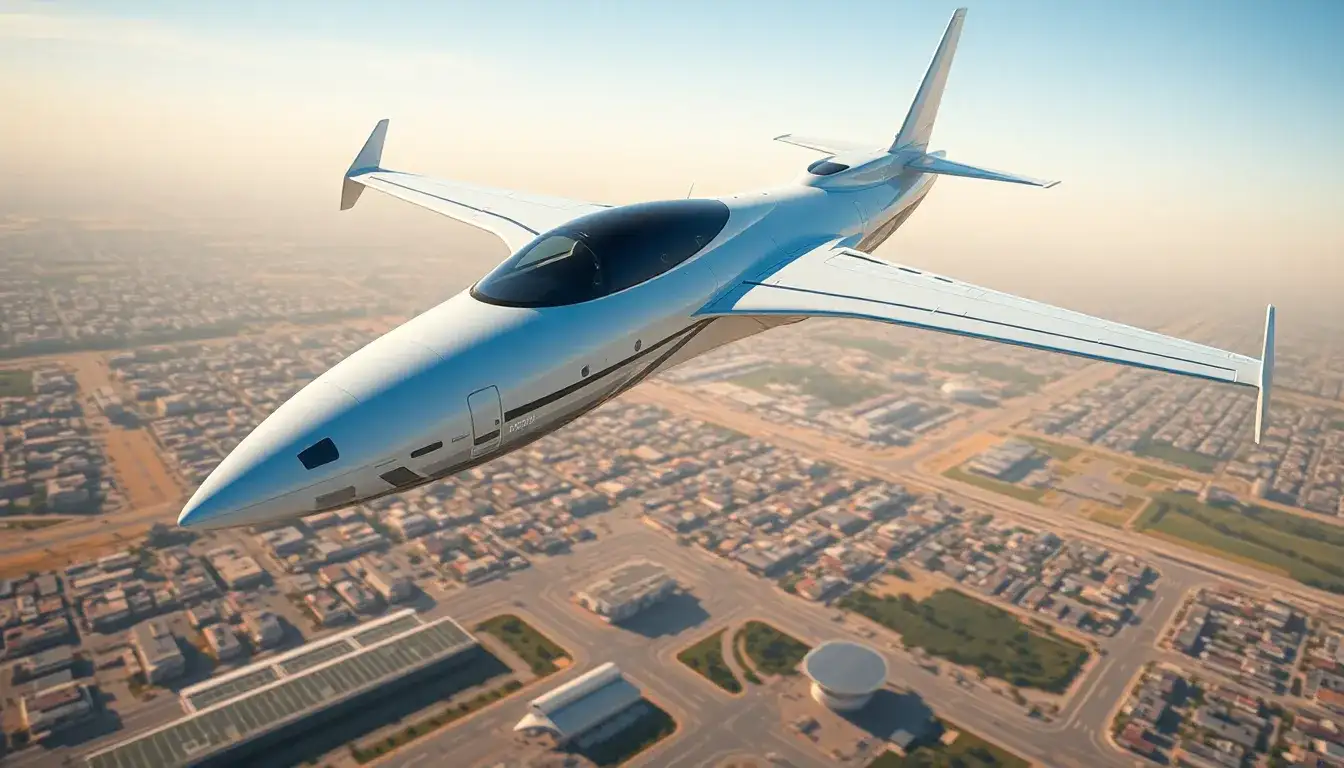
Solid-state batteries are poised to transform aviation technology by addressing critical limitations of current lithium-ion systems, particularly in safety, energy density, and operational reliability. Here’s how they could reshape the industry:
Enhanced Safety for Aviation Operations
Solid-state batteries eliminate flammable liquid electrolytes, drastically reducing fire risks—critical for aviation where thermal runaway can be catastrophic. NASA’s research confirms these batteries remain operational even when damaged, offering resilience during high-stress scenarios like rapid discharge or physical impacts.
Increased Energy Density for Extended Range
With emerging designs like NASA’s sulfur selenium solid-state battery achieving 500 Wh/kg—double the capacity of current lithium-ion systems—electric aircraft could achieve viable ranges for urban air mobility and regional flights. This leap could unlock practical eVTOL operations, as demonstrated by EHang’s successful solid-state battery flight test.
Weight Reduction and Cost Efficiency
By ditching bulky cooling systems (required for lithium-ion thermal management) and adopting lightweight cells, solid-state batteries reduce overall aircraft weight. NASA’s sulfur selenium technology also claims a 44.5% cost reduction compared to conventional systems, improving economic feasibility for commercial scaling.
Compatibility and Scalability
SOLiTHOR’s solid-state cells integrate with existing lithium-ion manufacturing workflows, smoothing industry adoption. This backward compatibility allows aviation developers to upgrade energy systems without overhauling production lines, accelerating deployment timelines.
Sustainability Advancements
Improved battery longevity and reduced maintenance needs align with aviation’s net-zero goals. NASA’s SABERS project emphasizes sustainable aviation applications, highlighting reusability and reduced environmental impact.
Comparison Table: Key Metrics
| Feature | Lithium-Ion (Current) | Solid-State (Emerging) |
|---|---|---|
| Energy Density | ~250 Wh/kg | 400–500 Wh/kg |
| Safety Risk | High (flammable) | Negligible |
| Operational Temperature | Requires cooling | Stable under stress |
| Cost per kWh | Baseline | 44.5% lower |
This technological shift could position eVTOLs and electric regional aircraft as mainstream transportation options within the next decade.
Original article by NenPower, If reposted, please credit the source: https://nenpower.com/blog/how-might-solid-state-batteries-influence-the-future-of-aviation-technology/

