

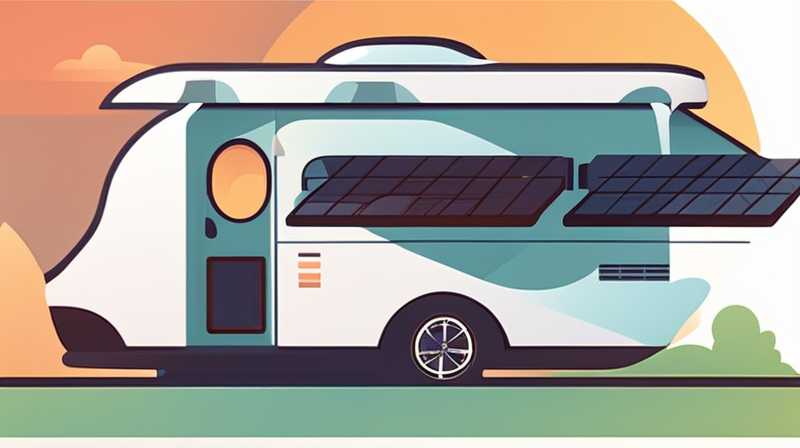
1. The amount of watts of solar energy installed on the roof of a typical motorhome varies based on several factors including **a. size of the solar panel system, b. intended energy consumption, c. available roof space, and d. individual preferences. Many motorhomes are equipped with solar systems ranging from 200 to 800 watts, depending on how luxurious or self-sufficient the owner desires to be. A 400 watts setup can provide sufficient energy for basic needs like lights, small appliances, and devices while higher wattage systems may support more extensive electrical requirements. Additionally, solar energy systems can be customized to include additional features such as battery storage, which further enhances their utility.
2. In-depth study of solar setup in motorhomes
2.1 UNDERSTANDING SOLAR ENERGY IN MOTORHOMES
Solar energy technologies continue to gain traction for use in motorhomes due to their remarkable sustainability and independence from traditional energy sources. The appeal of reducing dependence on fuel sources and the ability to park in remote locations with off-grid capabilities are significant advantages. A standard solar installation in a motorhome includes photovoltaic panels that convert sunlight into electricity, charge controllers to regulate the power flow, and batteries for energy storage.
The solar panel’s output in a motorhome is primarily influenced by the characteristics of the panels, which include their wattage capacity, efficiency rating, and the angle of installation. Conventional solar panels generate electricity in direct sunlight, necessitating a well-planned solar installation to maximize energy collection. As a general rule, the larger the wattage capacity of the solar panels, the more electric energy that can be generated.
2.2 DETERMINING ENERGY CONSUMPTION NEEDS
Understanding the electrical needs of a motorhome owner is crucial in determining the total wattage required on the solar system. Factors like the number of appliances being used, the duration of each appliance’s usage, and the overall power consumption in KWh (kilowatt-hours) dictates the appropriate capacity for a solar system.
For example, basic electrical needs may include lighting, a refrigerator, and small devices such as laptops or smartphones. The energy consumption of these appliances can be calculated by recognizing their power usage and how long they will be operated in a day. This helps create a clear picture of the wattage required from the solar system to sustain daily activities without limitations.
3. TYPES OF SOLAR PANELS FOR MOTORHOMES
3.1 MONOCRYSTALLINE SOLAR PANELS
Monocrystalline panels are well-regarded for their high efficiency and space-saving benefits, making them an ideal choice for many motorhomes. Due to the arrangement of their cells, they tend to produce more power per square foot compared to other solar panel types. Their lifespan often exceeds 25 years, making them a sound investment for long-term travelers seeking significant energy production.
These panels can perform well under varying conditions, especially in low-light environments. For motorhome users, this means that even on overcast days, the panels can generate usable energy. Considering their higher price point relative to other options, they remain popular for users prioritizing performance and longevity over initial costs.
3.2 POLYCRYSTALLINE SOLAR PANELS
Contrasting with their monocrystalline counterparts, polycrystalline solar panels utilize a different manufacturing process involving melting multiple silicon crystals. As a result, they tend to be more affordable but generally have lower efficiency rates. For motorhome owners with ample roof space or who are on a tight budget, polycrystalline panels provide a viable solar solution.
However, these panels occupy more space per watt, which can lead to a requirement for more panels to meet energy needs. Understanding the trade-offs between efficiency and price becomes essential for owners who are deciding which solar system to install. Assessing whether larger roof space can be utilized effectively with less costly options is something all potential buyers must consider.
4. INSTALLATION AND USAGE CONSIDERATIONS
4.1 INSTALLATION STRATEGIES
Proper installation can significantly influence the efficiency of the solar energy system. A well-planned layout will minimize shading, maximize sunlight exposure, and optimize energy capture. Installation on the roof should prioritize the orientation toward the sun, typically tilting panels to capture maximum sunlight throughout the day.
Motorhome owners often engage professionals for installation to ensure all connections, wiring, and equipment are set up correctly and securely. Advanced technology such as mounting brackets and hinges can help adjust the angle of panels further, creating even more optimal energy generation. Proper installation can lead to less maintenance and hassle while traveling, ensuring a worry-free experience.
4.2 MAINTENANCE AND EFFICIENCY MEASURES
Maintaining the solar system should not be overlooked even after installation. Regular cleaning and inspection of the panels ensure that dirt and dust do not affect their efficiency. Owners should follow manufacturer recommendations regarding performance checks and fuse replacements to guarantee the system operates efficiently.
Additionally, solar energy systems benefit from advancements in technology, such as solar inverters that can maximize energy harvested from the solar panels. Taking advantage of such technology can lead to improved energy generation and storage, ensuring that motorhome travelers have sufficient energy for their requirements while on the road.
5. SOLAR STORAGE COMPONENTS
5.1 BATTERY OPTIONS AND ENERGY STORAGE
Incorporating battery storage can be extremely beneficial for users looking to extend their solar system’s utility. Batteries store excess energy generated during the day for use at night or cloudy days when solar generation decreases. They allow motorhome users to strike a balance between generating, using, and storing electricity effectively.
Lithium batteries are gaining popularity due to their lightweight, long-life span, and efficiency over traditional lead-acid batteries. While a higher upfront cost is involved, the investment often pays off in the long run through longevity and performance.
5.2 INVERTER SELECTION AND EFFICIENCY
Connecting the solar panels and battery bank necessitates an efficient inverter, responsible for converting DC (direct current) to AC (alternating current). Inverters are essential, especially for motorhome applications where typical household appliances require AC power. Selecting the right inverter, whether modified sine wave or pure sine wave, plays a critical role in how well appliances operate, influencing overall energy efficiency.
Users should choose an inverter compatible with their intended power usage and the capacity of their solar power system. Understanding the differences between inverter options and their implications can substantially affect how effectively the energy generated is utilized for daily needs.
6. COST CONSIDERATIONS FOR SOLAR INSTALLATIONS
6.1 INITIAL EXPENSES AND RETURN ON INVESTMENT
Investments in solar systems for motorhomes can range from a few hundred to several thousand dollars, depending on system capacity and components. While these initial costs can be daunting, considering them against the long-term savings associated with decreased reliance on fuel or campground electricity can be incredibly beneficial.
Motorhome owners will undoubtedly experience a positive return on investment by managing their energy needs effectively. These costs can be evaluated not just through direct fuel savings but also enhanced comfort arising from optimized energy on camping trips.
6.2 GOVERNMENT INCENTIVES AND SUPPORT
Various incentives are often available for diesel-fuel-aware individuals converting to solar energy. Governments may provide rebates, tax credits, or grants aimed at promoting renewable energy use. Motorhome users should explore such options to lower the barrier to access for solar installations. Engaging with local authorities or renewable energy organizations can result in valuable insights regarding funding opportunities.
Understanding both direct savings and available financial assistance can illuminate the path to a more sustainable travel experience in a motorhome, ultimately fostering an environment where solar energy is prioritized.
Frequently Asked Questions
WHAT IS THE IDEAL WATTAGE FOR SOLAR PANELS ON A MOTORHOME?
Selecting the ideal wattage for solar panels on a motorhome depends primarily on the user’s specific energy demands and planned activities. On average, adding panels that generate around 400 to 600 watts typically covers the needs of many motorhome owners wishing for basic capability, including lighting and small appliances.
However, individuals planning prolonged off-grid excursions or seeking to include larger energy draws, such as air conditioning units or electric cooking appliances, should consider expanding this wattage to 800 watts or more. By evaluating personal energy consumption patterns and combining needs with core efficiency techniques, pertinent choices can lead to greater satisfaction with a solar solution.
HOW DOES SUNLIGHT AFFECT SOLAR PANEL PERFORMANCE ON A MOTORHOME?
The productivity of solar panels installed on a motorhome drastically depends on the intensity and duration of sunlight exposure. While maximum generation occurs during bright, sunny days, panels can still capture electricity during overcast conditions and even indirect sunlight.
The angle at which panels are set can influence their efficiency considerably. Properly positioning panels directly facing the sun when parked can improve performance. By considering sunlight availability on journeys, owners may adjust travel plans and parking locations to ensure optimal solar energy uptake, driving towards enhanced energy independence on the road.
IS SOLAR ENERGY WORTH IT FOR MOTORHOME USERS?
Adopting solar energy in a motorhome can be well worth the investment for many users. Cost-effective in the long run, solar energy helps avoid perpetual fuel prices and gives accommodation flexibility by enabling off-grid living while in remote locations.
However, individuals need to account for their unique travel behavior, energy requirements, and capacities before heading in this direction. A comprehensive understanding of the return on investment through energy savings, enhanced comfort, and sustainability pursuits rounds out the benefits attributed to solar solutions in mobile living spaces.
Final Notes
Powering a motorhome with solar energy brings transformative benefits, elevating the travel experience and enabling sustainable lifestyles on the road. Those venturing into this realm of energy independence will realize the necessity of assessing personal energy needs, choosing the right components, and ensuring proper installation.
Through thoughtful evaluation of the various available options including wattage, types of solar panels, and storage requirements, individuals can customize their solar systems according to unique demands. Navigating through the complexities of solar energy investment leads to opportunities for significant savings and comfort while traveling. Furthermore, practical knowledge about battery considerations, inverter selections, and maintenance practices ensures that users can maximize the efficiency and utility of their solar systems.
Weighing all aspects, providing a comprehensive analysis of not only costs but also potential incentives presents an invaluable position when contemplating solar installation in a motorhome. Embracing solar energy marks an essential step toward a self-sufficient journey, aligning with commonly shared values toward sustainability, relaxation, and adventure in the great outdoors.
Original article by NenPower, If reposted, please credit the source: https://nenpower.com/blog/how-many-watts-of-solar-energy-is-on-the-roof-of-a-motorhome/

