

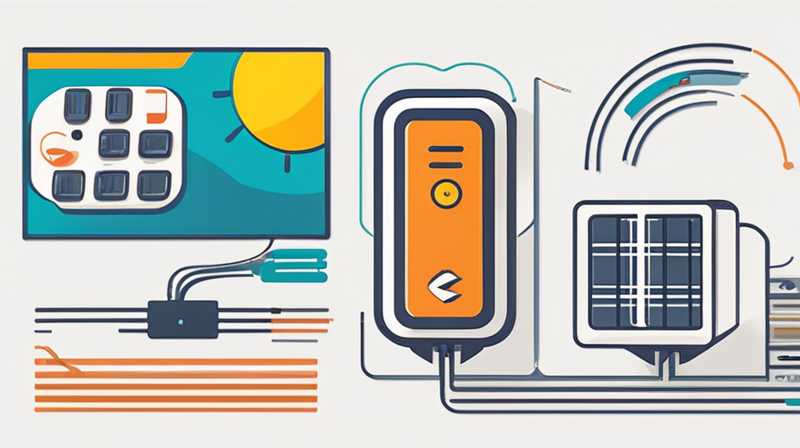
1. The solar panel inverter typically converts direct current (DC) electricity generated by solar panels into alternating current (AC) electricity used in homes and businesses, with common voltage outputs ranging from 120 to 240 volts, depending on regional standards, and it generally performs this conversion efficiently to minimize energy loss. 2. The inverter’s operation is pivotal for optimizing the performance of solar power systems, as it ensures that the AC output can be used by household appliances and fed into the electrical grid, thereby facilitating a seamless integration of solar energy into daily usage.
1. UNDERSTANDING SOLAR PANEL INVERTERS
Solar panel inverters are critical components within a photovoltaic system. They serve the essential purpose of converting direct current (DC) electricity produced by solar panels into alternating current (AC) electricity. Most household and commercial appliances operate on AC power, making this conversion crucial for harnessing solar energy effectively. Without inverters, the energy generated by solar panels would remain unusable for day-to-day electrical needs.
Solar inverters vary significantly in terms of type and performance. There are three principal categories of inverters: string inverters, microinverters, and power optimizers. Each type has unique characteristics that cater to different solar installations. Understanding these types is vital for determining how many volts an inverter can output and the overall efficiency of a solar system. Additionally, installation location plays a significant role in this output, as voltage levels may be impacted by geographical and climatic factors.
2. VOLTAGE CONVERSION IN PRACTICE
When discussing solar inverters, the voltage conversion process involves a few technical layers. Typically, solar panels produce DC electricity in the range of 20 to 40 volts on their own, but this is insufficient for most electrical applications in homes. The inverter elevates this low voltage to the necessary levels required by standard electrical systems, which often operate at voltages around 120 volts or 240 volts.
For instance, in North America, the commonly accepted voltage for residential and small commercial use is 120 volts, while some larger installations and appliances require 240 volts. European countries, on the other hand, usually operate at 230 volts. Thus, the design of the inverter must accommodate these differences and be adept at converting the output from solar panels to meet specific regional electricity standards.
3. EFFICIENCY FACTORS IN INVERTER PERFORMANCE
Inverter efficiency is a vital consideration in any solar power system. The efficiency rating of a solar inverter typically ranges from 90% to 98%, indicating how much of the energy generated by solar panels is effectively converted to usable AC power. Factors such as temperature, load size, and system design can significantly affect these efficiency levels.
Temperature plays a pivotal role in the performance of solar panel inverters. Extreme heat can lead to reduced efficiency, while cooler temperatures can enhance performance. Additionally, when inverters are connected to multiple solar panels, mismatched panel efficiency can lead to a drop in overall system performance. Thus, the configuration of solar panels and the choice of inverter becomes paramount.
4. TYPES OF INVERTERS AND THEIR VOLTAGE OUTPUT
Inverter technology includes multiple forms to meet diverse user needs. String inverters are the most common type and are typically used in residential settings. These inverters connect several panels together in a series, which can lead to substantial voltage outputs.
For instance, a string inverter may output a total voltage of around 240 volts when connected to the solar panels in a suitable configuration. On the other hand, microinverters are usually installed on each panel individually and can enable voltage outputs to remain consistent, even during shading or other performance dips that might affect string setups.
5. SELECTING THE RIGHT SYSTEM
Choosing an appropriate solar energy system involves careful consideration of multiple elements, including inverter type and expected voltage outputs. Users must evaluate their own energy consumption needs, existing electrical infrastructure, and local regulations to find the best match.
For example, individuals living in areas with high electric demand should consider systems that can deliver higher voltage outputs and optimal efficiency to meet their needs effectively. Consulting with a professional installer who understands both technical specifications and local regulations can facilitate a successful installation tailored to personal requirements.
6. MAINTENANCE AND LONG-TERM PERFORMANCE
Ongoing maintenance of solar inverters is essential for sustaining performance over time. Regular check-ups ensure that the inverter is functioning properly and that it can consistently output the necessary voltage levels. Not addressing maintenance can lead to efficiency losses, decreased lifespan of components, and ultimately higher replacement costs.
Most manufacturers recommend a maintenance schedule that includes cleaning, inspections, and performance assessments to identify and rectify issues early. This attention to detail helps maintain optimal energy output and maximizes the return on investment for solar energy systems.
FAQs
WHAT IS THE TYPICAL VOLTAGE OUTPUT FROM A SOLAR INVERTER?
Solar inverters typically output voltage levels that align with household electrical systems. Most commonly, residential inverters produce an output of 120 to 240 volts. This can vary based on the inverter type and configuration, but the standard voltage levels are designed to comply with regional electrical codes. In many cases, the immediate voltage output from the inverter will match the electrical needs of households and ease the integration of solar energy into existing infrastructure. The inverter essentially ensures that the low voltage direct current (DC) from solar panels is stepped up to usable alternating current (AC) levels required for home appliances.
HOW DOES TEMPERATURE AFFECT INVERTER PERFORMANCE?
Temperature plays an impactful role on solar inverter performance. Inverters typically have efficiency ratings that can be affected by extreme temperatures. Higher temperatures can lead to increased thermal losses and potentially cause the inverter to operate at lower efficiency levels, often referred to as thermal derating. Most inverters have operational temperature limits, and exceeding these can lead to shutdowns or degraded performance. Conversely, cooler operating environments may enhance the inverter’s efficiency. As a result, proper placement, ventilation, and potential cooling systems may need to be considered during installation. Long-term performance can hinge on these factors.
CAN SOLAR INVERTERS HANDLE POWER OUTAGES?
Whether solar inverters can handle power outages depends on their specific types and functionalities. Standard inverters usually do not provide power during grid failures, as they are designed to shut down for safety and compliance reasons. However, some advanced systems, like hybrid inverters or inverters combined with battery storage solutions, can supply electricity even during outages. These specialized setups allow users to maintain power from stored energy when grid connectivity is disrupted. Therefore, selecting the right inverter type in conjunction with a battery system can ensure energy availability during power outages.
In summary, solar panel inverters are integral to converting the direct current generated by solar panels into alternating current used in everyday applications. Their capacity to output between 120 and 240 volts is essential for meeting electrical demands. Additionally, understanding factors affecting efficiency, being aware of choosing the right systems, and maintaining their performance ensures optimal functionality.
Original article by NenPower, If reposted, please credit the source: https://nenpower.com/blog/how-many-volts-does-the-solar-panel-inverter-change/

