

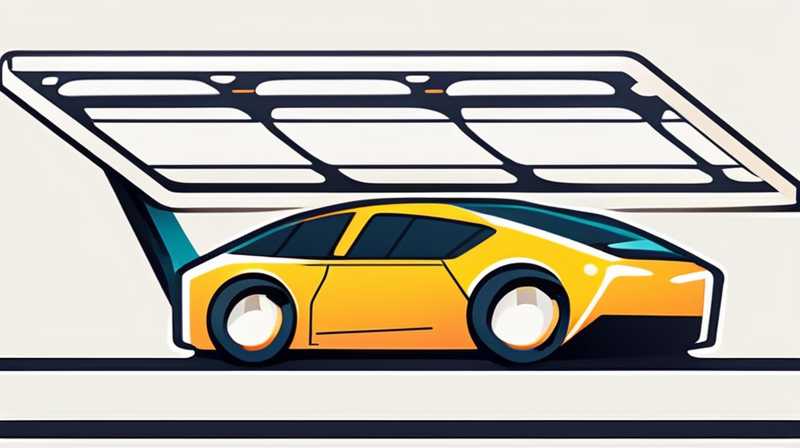
The solar panel of the small yellow car typically has 1. 100 to 300 Watts, 2. Varies depending on design, 3. Capable of generating 12 to 48 volts, 4. Power output influenced by sunlight conditions. A common configuration for solar panels in small vehicles involves an output voltage that can range from 12V to 48V, primarily designed to charge batteries efficiently. Such systems utilize photovoltaic cells to convert sunlight into energy that can power electric motors or charge onboard batteries, optimizing the car’s performance while relying less on traditional fuels. The power output is significant when considering how it directly affects the car’s energy efficiency and sustainability.
SOLAR PANEL SPECIFICATIONS IN SMALL YELLOW CARS
1. UNDERSTANDING SOLAR TECHNOLOGY
The realm of solar energy has witnessed considerable advancements over the years, particularly in terms of efficiency and practicality for everyday applications. In the context of small yellow cars, solar panels serve not just as an auxiliary power source, but as a pivotal component that can change how these vehicles operate. The technology revolves around photovoltaic cells, designed to capture sunlight and convert it into usable electricity.
When contemplating the solar panel specifications for such vehicles, it’s essential to grasp the functionality of these cells. Each cell consists of semiconductor materials that generate direct current (DC) when exposed to light. The electrical output is dependent on several factors, including the intensity of sunlight, the angle of incidence, and the quality of the solar cells utilized. By understanding these elements, one can appreciate the complexities involved in designing a solar panel that meets the demanding energy needs of a small car.
2. POWER OUTPUT AND VOLTAGE
Exploring the power output and voltage capabilities of solar panels in small yellow cars reveals a fascinating interplay between energy generation and vehicle efficiency. Typically, most solar panels installed in these cars can produce between 100 to 300 watts, with the most common voltages being 12V to 48V. This range allows for compatibility with various electric systems and batteries, facilitating effective energy use.
The choice of voltage depends heavily on the vehicle’s design and intended application. For instance, cars focused on short-distance travel may prioritize a lower voltage system, incorporating smaller batteries that require less energy. Conversely, vehicles designed for longer journeys may utilize a higher voltage system to maximize battery efficiency and overall power output. Electric motors functioning at higher voltages generally exhibit improved efficiency, which results in better performance and increased driving range.
3. INFLUENCE OF SUNLIGHT CONDITIONS
The efficiency of solar panels is significantly affected by sunlight conditions; thus, understanding this aspect is crucial for drivers reliant on solar energy. For optimal performance, solar panels thrive under direct sunlight. Cloud cover, shading from trees or buildings, and incorrect panel orientation can drastically reduce their electricity generation capabilities. Consequently, the placement of the panels becomes critical for maximizing energy intake.
Investigations into the geographical location can also unveil variations in solar energy availability. Certain regions experience more sunshine than others, making them more suitable for solar-powered vehicles. Furthermore, other factors such as the time of year and seasonal changes can affect overall energy output. Awareness of these conditions allows for strategic planning regarding the charging and operational capabilities of small yellow cars, enabling drivers to manage their energy resources adeptly.
4. INTEGRATING SOLAR POWER WITH VEHICULAR TECHNOLOGY
Integrating solar power into vehicle technology presents an exciting frontier in automotive design and functionality. By implementing solar panels, manufacturers can create electric vehicles that are more autonomous and environmentally friendly. This integration facilitates not only charging capabilities but also enhances the overall performance of the car by enabling energy regeneration during travel.
Moreover, modern advancements in technology have allowed for the development of hybrid systems that utilize both solar energy and conventional electricity. These hybrid systems enable greater flexibility and reliability, ensuring that even in periods of low sunlight, the vehicle remains operational. The design of small yellow cars can seamlessly incorporate both electric and solar systems, appealing to eco-conscious consumers and promoting sustainable driving practices.
5. COST CONSIDERATIONS AND ECONOMIC IMPACT
The costs associated with solar panels in conjunction with their installation play a crucial role in consumer decision-making when selecting a small yellow car. Although initial expenses may appear elevated, potential long-term savings and benefits can mitigate this burden. The absence of traditional fuel requirements leads to decreased operating costs, while government incentives encourage the adoption of renewable energy sources.
As more consumers gravitate toward energy-efficient vehicles, the proliferation of solar-equipped small cars could influence market trends significantly. The economic viability of solar power technology has prompted investment and innovation, thereby reducing costs associated with solar panels. As a result, a broader array of options emerges for consumers, ultimately enhancing accessibility to sustainable automotive solutions.
COMMON INQUIRIES ABOUT SOLAR PANELS IN SMALL CARS
WHAT IS THE USAGE OF SOLAR PANELS IN SMALL YELLOW CARS?
Solar panels in small yellow cars are primarily utilized to provide electricity to the vehicle’s electrical systems or to charge its batteries. This addition significantly enhances the car’s energy efficiency and sustainability by reducing reliance on fossil fuels. By capturing sunlight, these panels can generate electricity even while the car is parked, allowing for continuous energy availability. This feature is especially beneficial during long travels or off-grid adventures, providing drivers with greater independence from traditional fueling stations. Additionally, incorporating solar panels aligns with global efforts to reduce carbon emissions, encouraging environmentally friendly transportation.
HOW DOES THE VOLTAGE OUTPUT AFFECT PERFORMANCE?
The voltage output of solar panels plays a pivotal role in determining the performance of small yellow cars. Various voltage levels can dictate how efficiently energy is used within the vehicle. Higher voltage systems can transfer energy more efficiently over longer distances, making them suitable for electric motors that demand substantial power. Consequently, a mismatch in voltage can lead to performance inefficiencies or even potential damage to components. By designing the energy system to accommodate optimal voltage output, manufacturers can ensure that the car operates smoothly and effectively under various driving conditions.
CAN SOLAR POWER REDUCE CARBON FOOTPRINT EFFECTIVELY?
Utilizing solar power in small yellow cars can significantly diminish the carbon footprint associated with traditional vehicle operation. By relying on clean energy generated from sunlight, owners of solar-powered vehicles contribute to reduced greenhouse gas emissions compared to gasoline-powered counterparts. Additional solar generation can often offset the vehicle’s energy consumption, thus promoting environmental conservation. Furthermore, the integration of renewable energy sources into everyday transportation reflects a larger movement toward sustainable practices, potentially leading to a paradigm shift within the automotive industry. The increasing adoption of solar-powered mechanisms signals a path toward a more eco-friendly future.
In summary, incorporating solar panels into small yellow cars represents a transformative approach to energy utilization within the automotive sector. This innovative integration supports sustainability by harnessing renewable energy, reducing dependency on fossil fuels, and improving overall energy efficiency. With advances in solar technology and adaptable designs, small yellow cars equipped with solar panels are better positioned to lead the charge in revolutionizing how we conceive vehicle power sources. The journey towards sustainability through solar energy is not merely a trend but a necessity in response to global energy challenges. As consumers and manufacturers prioritize eco-friendly practices, the demand for solar-powered vehicles is likely to surge, establishing a brighter and cleaner automotive future. Each aspect from voltage output to practical applications plays a key role in shaping positive outcomes for the environment and individuals alike. By understanding and embracing this technology, stakeholders can significantly impact energy conservation efforts and promote a healthier planet. This advancement in automotive technology not only offers immediate benefits but also fosters a long-term commitment to preserving our natural resources for generations to come.
Original article by NenPower, If reposted, please credit the source: https://nenpower.com/blog/how-many-v-does-the-solar-panel-of-the-small-yellow-car-have/

