

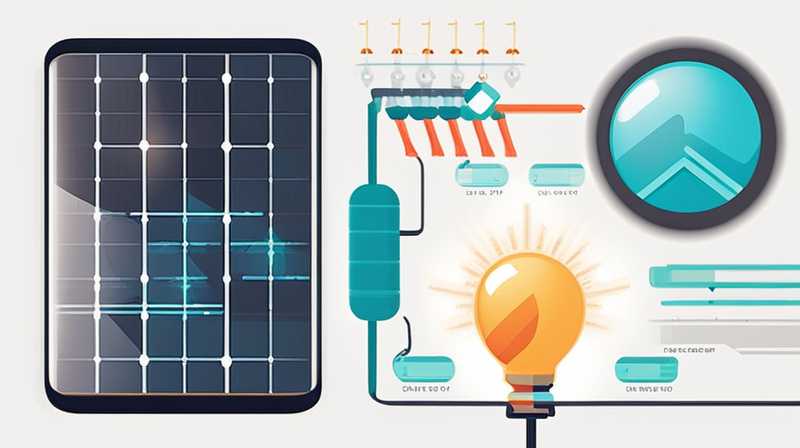
Solar energy is a versatile form of renewable energy capable of conversion into multiple types of energy. 1. Solar energy can be transformed into thermal energy, 2. It can convert to mechanical energy, 3. It can be turned into electrical energy, and 4. It can generate chemical energy. Among these conversions, the transformation into electrical energy stands out due to its practicality and the growing reliance on solar technologies globally.
Solar panels convert sunlight directly into electricity using photovoltaic cells, which generate direct current (DC) that can power homes or be fed into the electrical grid. The efficiency of these panels continues to improve, making solar a primary source of renewable energy that supports the transition to a more sustainable energy system. Enhanced technologies and materials in the solar industry are crucial for maximizing energy conversion rates, contributing to reduced reliance on fossil fuels and decreased carbon emissions.
1. SOLAR ENERGY CONVERSION MECHANISMS
Solar energy conversion refers to the processes by which sunlight is transformed into other usable forms of energy. The predominant methods for this conversion include photovoltaic cells, solar thermal collectors, and solar concentration technologies. Each method harnesses sunlight differently, and their effectiveness is influenced by geographic location, technology used, and environmental factors.
The photovoltaic effect lies at the heart of solar panel technology. When light hits a cell, it excites electrons, allowing them to flow and generate electricity. This process is technical, but the essential premise is straightforward: Solar cells capture energy from the sun and convert it into a supply of usable electrical power. Advances in material science and nanotechnology are also enhancing the capabilities and efficiencies of these cells, which signify a promising horizon for solar power adoption.
2. SOLAR THERMAL ENERGY
Solar thermal energy represents another significant form of energy conversion stemming from sunlight. Specifically, solar thermal collectors harness the sun’s rays to generate heat, which can be used for various applications, including heating water and spaces. These systems can be found in residential, commercial, and industrial settings.
The working principle involves absorbing sunlight through a collector system, which warms a fluid. The heated fluid can then be utilized for heating purposes or can even be converted into mechanical energy through steam turbines. This multitude of applications underscores the versatility of solar thermal technology. Particularly in regions with abundant sunlight, such systems provide cost-effective and eco-friendly solutions to meet energy demands.
3. SOLAR ENERGY AS MECHANICAL ENERGY
The conversion of solar energy into mechanical energy is another fascinating area. This transformation often involves solar thermal technologies, where heat is utilized to generate steam that drives turbines. The mechanical work can facilitate various applications, from powering vehicles to operating industrial machinery.
Notable advances in concentrated solar power (CSP) systems demonstrate the potential for large-scale mechanical energy production. These systems use mirrors or lenses to focus sunlight onto a small area, generating high temperatures necessary for steam production. The resulting mechanical energy can be converted into electricity, highlighting the interconnectedness of these various forms of energy. The future of solar energy as a mechanical energy source promises opportunities for innovative applications across diverse industries.
4. SOLAR ENERGY AND CHEMICAL ENERGY
In addition to traditional conversions, solar energy can also be directly transformed into chemical energy. This process typically involves the synthesis of fuels from solar energy, which showcases the potential of solar to contribute to energy storage and sustainable fuel solutions. A prominent example includes artificial photosynthesis, where sunlight is used to convert carbon dioxide and water into hydrocarbons, mirroring natural processes.
This approach has enormous implications for reducing greenhouse gas emissions and developing sustainable fuel sources. The chemical energy generated through solar means can serve as a clean-burning alternative to fossil fuels. As research advances in this area, the possibility of storing solar energy in chemical bonds opens new avenues for energy storage solutions, fundamentally altering how we think about energy sustainability.
FREQUENTLY ASKED QUESTIONS
HOW DOES PHOTOVOLTAIC ENERGY WORK?
The electricity generated by photovoltaic cells is produced by the direct conversion of sunlight into electrical energy through the photovoltaic effect. When photons from sunlight strike a solar panel, they excite electrons within the semiconductor material, typically silicon. As these electrons gain energy, they are discharged, creating a flow of electric current.
This current is typically in direct current (DC) form which can either be stored in batteries for later use or transformed into alternating current (AC) using an inverter, making it compatible with modern electrical grids. This conversion process is critical for solar panels’ effectiveness in providing electricity for homes and businesses, showcasing solar energy’s contribution to modern power systems.
WHAT ARE THE ADVANTAGES OF SOLAR ENERGY CONVERSION?
Solar energy conversion offers myriad advantages that contribute to its growing popularity as a renewable energy source. One of the primary benefits includes its sustainability; sunlight is abundant and will not deplete like fossil fuels. This ensures that solar energy can provide a reliable source of power for the foreseeable future.
Another significant advantage is the potential for reduced greenhouse gas emissions associated with solar energy use. By substituting fossil fuel energy sources with solar energy, we can decrease our carbon footprint, contributing positively to the environment. In addition, solar energy can also be harnessed at various scales, from individual residential setups to large utility-scale solar farms. This flexibility enhances accessibility and provides a pathway for energy independence.
WHAT ARE THE LIMITATIONS OF SOLAR ENERGY CONVERSION?
Despite its potential, solar energy conversion also faces certain limitations that must be addressed. One of the primary challenges is the intermittent nature of sunlight; energy production varies depending on weather conditions and day-night cycles. This variability necessitates robust energy storage solutions or backup systems to ensure constant electricity supply.
Another significant limitation pertains to the initial costs associated with solar installation. The investment required for solar panels and battery systems can be substantial, although these costs are declining rapidly. Efforts to develop more efficient technologies and economic solutions are vital for broadening solar energy accessibility and addressing these challenges effectively. Future innovations may help surmount these barriers, allowing solar energy to play a more integral role in global energy networks.
The Future of Solar Energy Conversion
Solar energy conversion is at the forefront of innovative energy solutions, presenting diverse pathways for sustainable development and energy independence. As technologies improve, the range of energy that can be harnessed from sunlight will expand. The future may see advanced methods for efficiently converting solar energy not only into electricity but also into usable thermal, mechanical, and chemical forms, revolutionizing how societies approach energy consumption and production.
This multifaceted approach aligns solar power with global initiatives to reduce dependency on non-renewable sources. By investing in research and development, coupled with enhancing public awareness of solar technologies, we can pave the way for an environmentally sustainable future. The trajectory of solar energy is poised for significant evolution, enabling broader adoption in everyday life and positioning it as a cornerstone of the global energy landscape.
Original article by NenPower, If reposted, please credit the source: https://nenpower.com/blog/how-many-types-of-energy-can-solar-energy-convert-into/

