

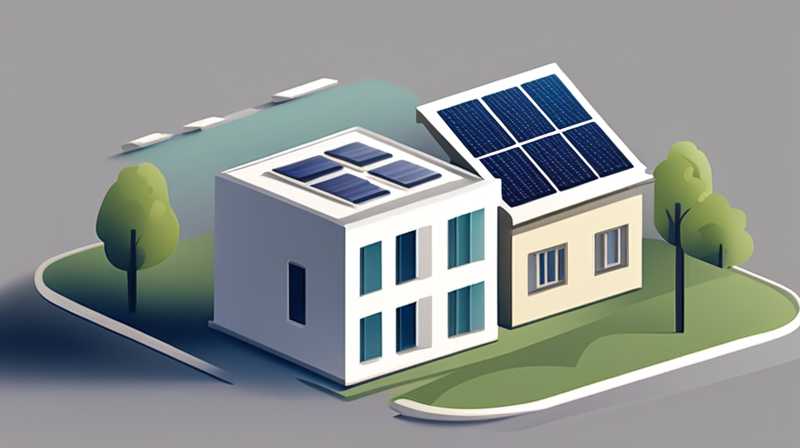
1. RESIDENTIAL SOLAR PANELS REQUIREMENT: The number of floors for residential solar panels depends on several key factors, including local regulations, available sunlight, and the specific structural design of the building. 1. Structural considerations, 2. Orientation of the building, 3. Regulations by locality, 4. Desired energy output. Each of these considerations must be analyzed thoroughly to ensure the optimal installation of solar panels for energy efficiency and compliance.
2. STRUCTURAL CONSIDERATIONS
When evaluating the installation of solar panels on a residential property, the structural integrity of the building plays an essential role. Homes need to have rooftops that can support the weight and installation requirements of solar panels. This structural integrity includes assessing the strength of the roof and whether it can bear the load of the panels over time without leading to deterioration. If a house has multiple floors, it is crucial to analyze the load distribution across these floors.
Moreover, traditional homes with sloped roofs may often provide a better surface for either flat or angled solar panels than those with flat roofs. Roof pitch and materials will also influence the installation strategy. Buildings with multiple stories often require careful planning to prevent water pooling, which can be exacerbated by the weight of solar panels. Employing qualified structural engineers can provide valuable insights into possible interventions, such as additional bracing or reinforcement, to ensure that solar installations do not compromise the building’s safety.
3. ORIENTATION AND SUNLIGHT EXPOSURE
Another significant factor influencing solar panel installation is the orientation of the structure. Buildings located in regions with predominant sun exposure, ideally facing south, can enhance the efficiency of solar energy capture. The various orientations (east-facing, west-facing) can also affect energy production and should be analyzed before installation.
Additionally, the number of floors can dictate the available area for solar installations. Multistory buildings might have smaller rooftop space available depending on their architecture. In certain urban settings, higher floors may also face shading from nearby structures, which could limit solar energy generation. Evaluating these orientations and the surrounding environment can yield crucial insights into maximizing energy capture potential, informing the overall design and implementation of solar technology.
4. LOCAL REGULATIONS AND CODES
Each locality may have its own set of regulations and codes, dictating how residential solar installations must be approached. These codes can address everything from permissible panel types to minimum installation requirements based on the structure’s height. Homeowners must engage with legal counsel or local authorities before making any decisions regarding installations to ensure adherence to all regulatory stipulations.
Permitting may also present an obstacle, especially in densely populated areas where local laws are less flexible. Some regions may require specific conditions to be met for each floor of a multistory structure regarding panel installations. For instance, structural load tests, inspections, and the producing capacity of the energy systems must all comply with the present codes. Understanding the nuances of local laws can streamline the installation process and prevent costly delays or violations in the future.
5. DESIRED ENERGY OUTPUT
Homeowners need to consider their desired energy output when deciding how many floors solar panels will be installed on. The ultimate goal may vary significantly among residents; some may seek to cover only a fraction of their electricity needs, while others might aim for full self-sufficiency. The number of solar panels necessary for these varying needs must be calculated based on several variables like square footage, energy consumption patterns, and the availability of sunlight.
For larger households or those located in sunnier climates, it may be feasible to install panels across multiple levels, maximizing the available rooftop space. Alternatively, homeowners in colder climates with shorter sunlight hours may need to compensate by increasing the number of panels. Calculating the expected energy output should include an analysis of local climate conditions, shadow profiles, and seasonal variations, all of which can dramatically impact overall energy production.
FREQUENTLY ASKED QUESTIONS
Q1: CAN SOLAR PANELS BE INSTALLED ON MULTIPLE FLOORS?
Yes, solar panels can definitely be installed on multiple floors, but several factors must be considered upfront. The installation must ensure the structural integrity of the building can support the panels and discuss potential design options with a qualified contractor. Multi-story homes may also present unique challenges in terms of available roof space and shading from surrounding buildings. Each level’s exposure to sunlight will significantly impact the overall efficiency of the system as well. Expert analysis ensures that the installation maximizes solar energy capture with minimal structural compromise.
Q2: HOW DO LOCAL REGULATIONS AFFECT SOLAR INSTALLATIONS?
Local regulations play an integral role in solar panel installations, as they dictate the types of solar technologies permitted and the installation processes required. Many municipalities have specific building codes and zoning restrictions regarding the aesthetics and functionality of solar setups. A homeowner must consult with local authorities or professionals specializing in solar installations; this will provide insights into compliance with any necessary permitting and inspections. Failing to adhere to local laws can result in costly fines or even forced removal of non-compliant installations.
Q3: WHAT IMPACT DOES ORIENTATION HAVE ON SOLAR PANEL EFFICIENCY?
The orientation of solar panels directly affects their overall efficiency and energy output. Panels facing south typically generate the most energy throughout the day due to maximum sun exposure. However, panels facing east or west can also be effective, particularly with certain solar technologies designed to capture morning or evening sunlight. Local weather patterns or shading from nearby structures further influence decisions on orientation, thus requiring an in-depth analysis of surrounding environments to determine the best positioning for solar panels to achieve the highest energy yield.
FINAL THOUGHTS IN BOLD
Installation choices for residential solar panels encompass various factors that must be intricately analyzed for successful implementation. Key considerations include structural integrity, sunlight exposure orientation, relevant regulatory codes, and desired energy output metrics. Each aspect needs to be rigorously evaluated to tailor a solution that can accommodate individual needs while remaining compliant with legal requirements. Engaging with experienced professionals who understand the complexities of solar technology can significantly benefit homeowners and prepare them for seamlessly navigating the installation process. A comprehensive appraisal of the building and its surrounding environment serves to maximize energy efficiency while ensuring the safety and functionality of the property in the transformation towards renewable energy sources.
Original article by NenPower, If reposted, please credit the source: https://nenpower.com/blog/how-many-floors-must-residential-solar-panels-be-installed/

