

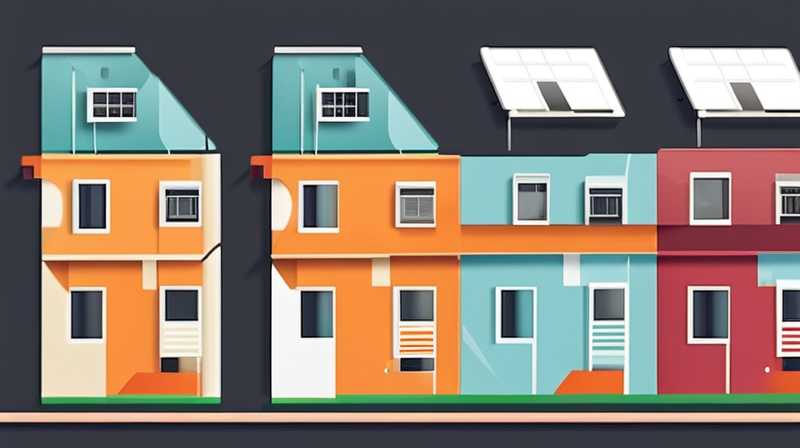
Based on the title, it can be inferred that the inquiry seeks to determine the number of floors in a new house that utilizes solar energy systems. 1. Solar panels can be installed on various levels, 2. rooftops are the most common locations for solar installations, 3. the overall design influences solar energy efficiency, 4. builders focus on maximizing sunlight exposure. The quantity of floors capable of accommodating solar energy installations depends on several factors, including the architectural design, local regulations, and the purpose of the solar technology employed. Homes with multiple stories often showcase innovative installations where each level can contribute to energy efficiency. It is crucial for homeowners and architects to assess the sunlit area available for optimal solar panel placement.
1. OVERVIEW OF SOLAR ENERGY INSTALLATION
Understanding the fundamentals of solar energy installation in residential buildings contributes significantly to optimizing energy usage. Solar power harnesses sunlight through photovoltaic panels, transforming it into usable electricity. This renewable energy source is becoming increasingly popular among homeowners due to its environmental benefits and the potential for significant long-term savings on energy bills.
When installing solar panels, factors such as geographical location, roof orientation, and angle come into play. Houses situated in sunny regions can benefit immensely from optimal installations, while those in less sunny locations may require additional considerations, like battery storage or hybrid systems. The number of stories in a home often determines the logistics and potential effectiveness of solar installations. Some homeowners are curious about how many floors can effectively utilize solar energy systems.
2. FACTORS INFLUENCING SOLAR ENERGY USAGE IN MULTI-FLOOR HOMES
2.1 ARCHITECTURAL DESIGN
The design of a residential structure plays a pivotal role in determining how many floors can engage with solar energy systems. Architectural features such as roof slope, height, and the presence of overhangs significantly impact solar panel efficiency. A flat rooftop or a design that maximizes direct sunlight exposure can enhance panel effectiveness and energy generation. Moreover, roofs should be free from obstructions like chimneys, trees, or other structures that could cast shadows on solar panels.
When a design incorporates multiple stories, consideration must also be given to the overall aesthetics and functionality of each level. Various architectural strategies can achieve maximum solar energy effectiveness and maintain the appealing look of the property. Additionally, integrating solar energy systems into both residential and aesthetic values requires strategic planning and expert consultation during building design.
2.2 UTILIZATION OF SPACE
In multi-story residences, how space is utilized can determine solar energy systems’ effectiveness. Rooftops are conventionally the primary sites for solar panel installations, but advancements in solar technology allow for options on balconies or terraces. These areas can also accommodate solar panels, especially in cities with limited rooftop access.
Investing in energy-efficient materials in flooring and walls can complement solar installations by reducing the overall energy consumption of the house. The energy generated can then serve multiple floors, further promoting sustainability and ecological awareness. Homeowners should reach out to energy consultants or specialists who can recommend the best practices for solar energy’s effective utilization across varied floors.
3. TECHNOLOGICAL ADVANCEMENTS IN SOLAR ENERGY
3.1 INNOVATIONS IN SOLAR PANELS
Recent innovations in solar panel technology have dramatically widened the scope of possibilities for multi-story homes. New types of panels, such as building-integrated photovoltaics (BIPV), allow solar energy to be embedded within the very structure of buildings. This means homeowners can potentially install solar technology even in walls, windows, or shading devices, thereby extending the geographical area from which energy can be harvested.
With cutting-edge technology, homeowners in multi-floor buildings may find opportunities to generate energy without compromising on aesthetic or functional elements. Such innovations are reshaping architectural landscapes and challenging traditional building norms. As a result, it’s critical to understand the options available to maximize solar energy use at every level of a residence.
3.2 SMART HOME TECHNOLOGY
As smart home technology progresses, combining solar energy for enhanced efficiency continues to attract interest. Integrating home automation systems allows occupants to monitor and control energy consumption effectively. Smart thermostats and energy management systems can optimize the use of energy generated from solar materials, thereby deciding which floor requires more energy during specific times of the day.
Furthermore, energy storage options, such as battery systems, allow the storing of excess energy for later use across multiple floors, further emphasizing the importance of a thorough understanding of the technology available today. Consequently, maintaining a balance between energy demand and generation includes substantial planning and structuring in modern residences, especially within multi-story formats.
4. THE ECONOMIC ASPECTS OF SOLAR INSTALLATION
4.1 INITIAL INVESTMENT AND LONG-TERM SAVINGS
Investing in solar energy systems, particularly in multi-story housing, can present significant financial considerations. Although the initial investment may be considerable, the benefits in terms of reduced energy bills and potential tax incentives can offer substantial long-term savings. Homeowners often have the option to finance installations, which can result in lower monthly payments than traditional utility bills.
As more individuals seek sustainable living solutions in an ever-evolving economic landscape, the viability of solar energy systems becomes even more pronounced. Multi-story homes can harness the benefits of economies of scale, as larger installations allow for increased energy efficiency, subsequently translating into financial relief for homeowners. Recognizing these economic advantages can empower them to take action towards integrating solar energy solutions.
4.2 THE ROLE OF GOVERNMENTS AND INCENTIVES
Governments frequently recognize the importance of solar energy systems and consequently implement various incentives aimed at encouraging installations. Tax credits, rebates, and grants can significantly reduce the financial burden of installing solar energy systems within multi-story residences. Homeowners should remain vigilant regarding these offerings, as they occasionally allow access to advantageous funding opportunities which can amplify their investment.
Moreover, local policies may adjust in response to increased demand for renewable energy solutions, supplementing broader sustainability and environmental goals. Thus, being aware of local legislation surrounding solar installations can be beneficial for homeowners eager to invest in solar adaptations for their multi-story homes.
5. SUSTAINABILITY ASPECTS OF SOLAR ENERGY IN RESIDENTIAL BUILDINGS
5.1 ENVIRONMENTAL IMPACT
Solar energy systems emerge as environmentally friendly solutions, promoting sustainability in residential buildings. The shift toward solar reduces reliance on fossil fuels, significantly lowering carbon footprints associated with energy consumption. The cumulative effect of these residential decisions can lead to substantial reductions in greenhouse gas emissions on a global scale.
For multi-story homes, the integration of solar energy can provide a more sustainable residential environment. With multiple floors engaged in energy reduction, homeowners can contribute to a larger community initiative that fosters ecological responsibility. This collective consciousness promotes positive effects for the environment, encouraging others to consider similar actions, thereby expanding the potential for sustainability on a broader scale.
5.2 COMMUNITY AND SOCIAL RESPONSIBILITY
Incorporating solar energy systems in residential settings not only enhances individual households but also fosters community solidarity around sustainable practices. When households unite in their efforts to adopt greener technologies, they set an example for eco-conscious living in their neighborhoods. This encourages others to explore solar energy possibilities, potentially leading to a larger movement focused on ecological preservation.
By participating in initiatives that promote renewable energy, homeowners also enhance their social responsibility, positioning themselves as advocates for change within their communities. As a result, multi-story residences incorporating solar energy systems contribute to a sustainable culture, encouraging other households to consider the impact of their energy choices.
FREQUENTLY ASKED QUESTIONS
HOW DO SOLAR PANELS WORK IN MULTI-STORY HOMES?
Solar panels operate on the principle of converting sunlight into electricity through photovoltaic cells. In multi-story buildings, the effectiveness of solar panels hinges significantly on various structural elements such as positioning, angle, and exposure to sunlight. Roof-mounted installations typically yield the highest efficiency; however, innovative designs allow for panels on balconies or close to windows. Residents can benefit from previously accumulated energy by connecting storage systems, ensuring energy is accessible throughout different levels of the home. Collaborating with skilled architects and solar energy specialists creates efficient designs that maximize the home’s potential for solar energy capture effectively.
WHAT ARE THE BENEFITS OF SOLAR ENERGY IN RESIDENTIAL HOMES?
Integrating solar energy systems into residential homes offers numerous advantages. Financially, homeowners can significantly reduce utility bills and potentially gain access to government incentives or tax credits. Environmentally, relying on renewable energy contributes to lower carbon emissions and promotes a sustainable lifestyle. Furthermore, multi-story homes leveraging solar technologies can realize considerable energy savings across various levels, allowing for heightened sustainability within the structure. By investing in solar energy, residents not only enhance their energy autonomy but also participate in the broader movement towards renewable energy.
CAN I INSTALL SOLAR PANELS MYSELF?
While some skilled homeowners may contemplate installing solar panels independently, professionals generally advise against this route. Solar installations require specific knowledge of electrical and structural systems to ensure successful integration and to adhere to local safety regulations. Additionally, improper installation can lead to inefficiencies, damage, or void warranties. Engaging certified installers guarantees that systems adhere to necessary codes and standards, while also optimizing energy production. Furthermore, professionals can provide valuable insights into optimal panel placement and system design tailored to the home’s unique characteristics, ensuring enhanced functionality across all floors.
Through this extensive analysis of solar energy in multi-story homes, it becomes evident that several factors contribute to determining effective system implementations, including architectural design, technological innovations, environmental impacts, and community responsibility. By understanding and leveraging these elements, homeowners can significantly benefit from the energy potential harnessed within their residences. Solar energy emerges not only as a viable option for increasing efficiency but also as a method to contribute positively to environmental sustainability. Investments made in solar technology facilitate the transition towards renewable energy solutions and encourage a broader cultural shift towards eco-conscious living. Ultimately, multi-story homes stand as ideal candidates for solar installations, allowing multiple areas to engage with energy efficiency practices while demonstrating a commitment to sustainable futures. Thus, as the world continues to seek cleaner alternatives for energy consumption, the role of solar energy within residential buildings must not go unnoticed, fostering an era of transformative and sustainable living.
Original article by NenPower, If reposted, please credit the source: https://nenpower.com/blog/how-many-floors-above-the-new-house-have-solar-energy/

