

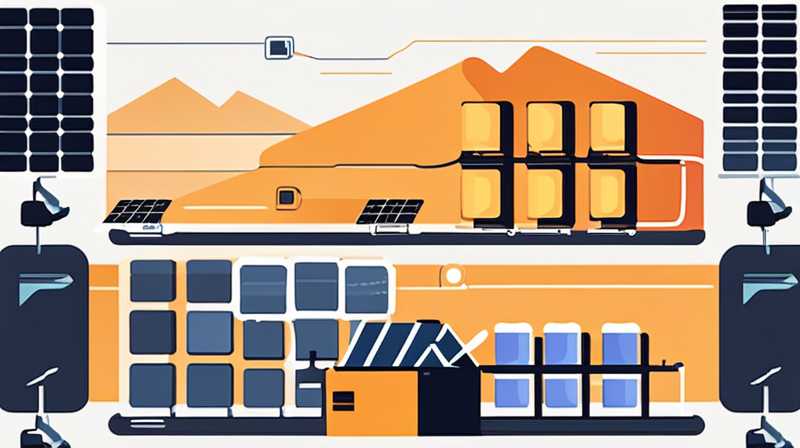
Solar energy systems typically generate electricity almost instantly, with 1. Immediate generation upon sunlight exposure, 2. Efficiency depending on technology, 3. Energy storage solutions affecting outcome, 4. Climate conditions playing a crucial role. The crux of solar energy production lies in its capacity to convert sunlight into usable power through photovoltaic cells. These cells react almost immediately when light hits them, creating an electric current that can be harnessed. However, the efficiency of this energy conversion depends significantly on the specific technology employed, the quality of the solar panels, and environmental factors such as the geographical location and time of day. Notably, while electricity generation begins almost instantaneously, the effectiveness and usability of that electricity can vary based on how efficiently it is stored or converted into different forms of energy. Understanding these nuances can help optimize the use of solar energy as a reliable power source.
1. INSTANTANEOUS GENERATION
Solar panels function based on the principle of converting sunlight into electricity almost immediately. The process begins when photons from sunlight strike the solar cells made of semiconductor materials like silicon. Upon absorption of light, electrons in the material gain energy and begin to flow, creating an electric current. This phenomenon occurs as soon as sunlight is available, which is a significant advantage of solar energy systems.
The immediate transformation of energy is crucial for applications relying on real-time power supply. For instance, homes equipped with solar panels can draw power during the day, alleviating dependency on conventional sources and contributing to energy independence. Furthermore, with advancements in technology, solar energy systems are becoming increasingly efficient, ensuring that the energy captured during peak daylight hours maximizes utilization. It is important to understand, however, that while production is instantaneous, variables such as panel orientation, shading, and overall system efficiency can influence the total energy harvested at any given moment.
2. TECHNOLOGY AND EFFICIENCY
The efficiency of solar panels directly impacts how long it takes for a solar system to translate sunlight into usable electricity. Different types of solar panels exist, ranging from traditional crystalline silicon panels to advanced thin-film technologies and heterojunction solar cells. Each of these technologies exhibits different conversion efficiencies, which determines how effectively they generate power from the sunlight available to them.
For instance, monocrystalline solar panels are known for their high efficiency, typically ranging from 15% to over 20%, meaning a significant proportion of sunlight is converted into electricity. In contrast, thin-film solar panels usually offer lower efficiency, usually between 10% to 12%. This disparity underscores the importance of selecting the appropriate technology based on specific energy needs and site characteristics. Moreover, ongoing research is continuously improving these technologies, potentially increasing efficiency and reducing the time required for generating significant amounts of electricity.
3. ENERGY STORAGE SOLUTIONS
In many solar energy systems, electricity generation must be complemented by energy storage solutions, such as batteries. While solar panels produce electricity immediately when exposed to sunlight, the energy must be stored for use during periods of low or no sunlight. The advent of efficient energy storage technologies has transformed the landscape of solar power, providing homeowners and businesses the ability to utilize solar energy around the clock.
Batteries store excess power generated during sunny periods for usage at night or during cloudy days. The integration of storage systems creates a buffer that not only maximizes energy utilization but also enhances the reliability of solar energy as a power source. Various battery technologies, such as lithium-ion and lead-acid batteries, have different charge and discharge times, affecting how quickly stored energy can be utilized. Therefore, when assessing how long it takes for solar energy to produce electricity, it is important to factor in the efficiency and capability of the energy storage systems alongside the panels themselves.
4. CLIMATE AND LOCATION FACTORS
The geographical location and climate significantly influence how effectively solar panels generate electricity. Regions abundant in sunlight, such as those closer to the equator, enjoy higher solar radiation levels, resulting in more electricity produced over the same period compared to regions that experience frequent cloudy skies or inclement weather. Thus, a solar energy system’s output can vary greatly depending on local weather conditions.
Seasonal variations also play a role; longer daylight hours in summer increase the potential for power generation, while shorter days in winter may reduce output. In areas with considerable seasonal variability in sunlight, predicting energy generation and adjusting consumption accordingly becomes paramount. Moreover, solar tracking systems can optimize output by orienting panels toward the sun’s path, enhancing energy capture throughout the day. Consequently, understanding these external factors is essential for configuring solar energy systems for maximum effectiveness and ensuring the immediate and sustained production of electricity.
5. LOCAL REGULATIONS AND INCENTIVES
Local regulations and government incentives can also influence the timeline for solar energy production. Policies that promote solar energy use, including tax credits and rebates, can expedite the installation of solar power systems and facilitate quicker returns on investment. By providing financial relief, governments encourage homeowners to adopt solar technologies, leading to faster implementation and, consequently, more rapid electricity generation.
Additionally, interconnection policies dictate how quickly a solar energy system can be connected to the grid, impacting the overall ability to produce electricity efficiently. Some regions may experience bureaucratic hurdles during the permitting process, leading to extended timelines for installation and operation. Therefore, understanding the regulatory landscape is crucial for anyone considering solar energy, as it can either accelerate or prolong the time until sufficient electricity generation begins.
FREQUENTLY ASKED QUESTIONS
WHAT FACTORS AFFECT THE EFFICIENCY OF SOLAR PANELS?
The efficiency of solar panels is influenced by several elements such as the type of solar technology employed, the quality of the materials used, and environmental conditions. 1. Technology type: Monocrystalline panels tend to be more efficient than polycrystalline or thin-film options. 2. Temperature effects: High temperatures can reduce efficiency; thus, panels perform better at cooler temperatures. 3. Installation angle and orientation: Shading and incorrect tilt can greatly affect how much sunlight the panels receive, influencing overall output. 4. Maintenance: Regular cleaning and upkeep help prevent dirt and debris from accumulating on the surface, ensuring optimal performance. Another critical factor is the geographical location, as different areas receive varying levels of sunlight, which also determines efficiency.
HOW DOES SOLAR ENERGY STORAGE WORK?
Solar energy storage typically involves the use of batteries that accumulate surplus electricity generated during sunny periods for later use. When solar panels produce more energy than a household consumes, the excess electricity is directed into batteries instead of going back to the grid. When sunlight is insufficient, such as at night or during cloudy days, stored energy from the batteries can be utilized instead. This process allows solar users to tap into their energy reserves, thereby maximizing their consumption of renewable energy and reducing reliance on conventional sources. Furthermore, advanced battery technologies, such as lithium-ion, have dramatically improved energy storage capacity and efficiency, making solar energy systems more appealing by providing reliable power regardless of weather conditions.
CAN SOLAR ENERGY BE USED IN ALL CLIMATES?
Yes, solar energy can be harnessed in a variety of climates, although the efficiency and amount of electricity generated will vary significantly based on factors like sunlight availability. 1. Sunny climates: Regions with abundant sunlight are ideal for solar installations, providing maximum efficiency. 2. Cloudy or rainy climates: While productivity may be lower, solar panels can still generate electricity during overcast conditions, albeit at reduced levels. 3. Winter efficiency: Cold weather can enhance panel efficiency, but limited daylight hours may impact total energy production. Overall, while solar technology is adaptable, careful consideration of local conditions and potential system adjustments can optimize performance in different environments.
SUMMARY
Solar energy systems generate electricity almost instantaneously upon sunlight exposure, with efficiency directly linked to the technology employed. Energy storage capabilities significantly impact usability, enabling power accessibility during periods of low sunlight. Environmental factors, such as geographic location and climate, also play a crucial role in affecting the overall productivity of solar energy systems. By understanding these aspects, potential solar power users can make informed decisions to maximize their energy yield.
Solar energy production is transformational, offering a sustainable path that doesn’t solely depend on immediate environmental conditions for reliable electric generation. Hence, it remains paramount to assess both technological efficiencies and external variables that influence electricity generation timelines within solar energy ecosystems. This informed approach leads to better implementation strategies that suit individual power needs and promote efficient energy utilization, asserting a positive impact on the overarching transition towards renewable energy sources.
Utilizing solar energy signifies a progressive leap towards sustainability, waiting readiness for community and infrastructure adaptation. By embracing continual advancements in technology and addressing environmental implications, individuals and organizations can harness the potential of solar energy effectively, contributing to a cleaner, more sustainable future.
Original article by NenPower, If reposted, please credit the source: https://nenpower.com/blog/how-long-does-it-usually-take-for-solar-energy-to-produce-electricity/

