

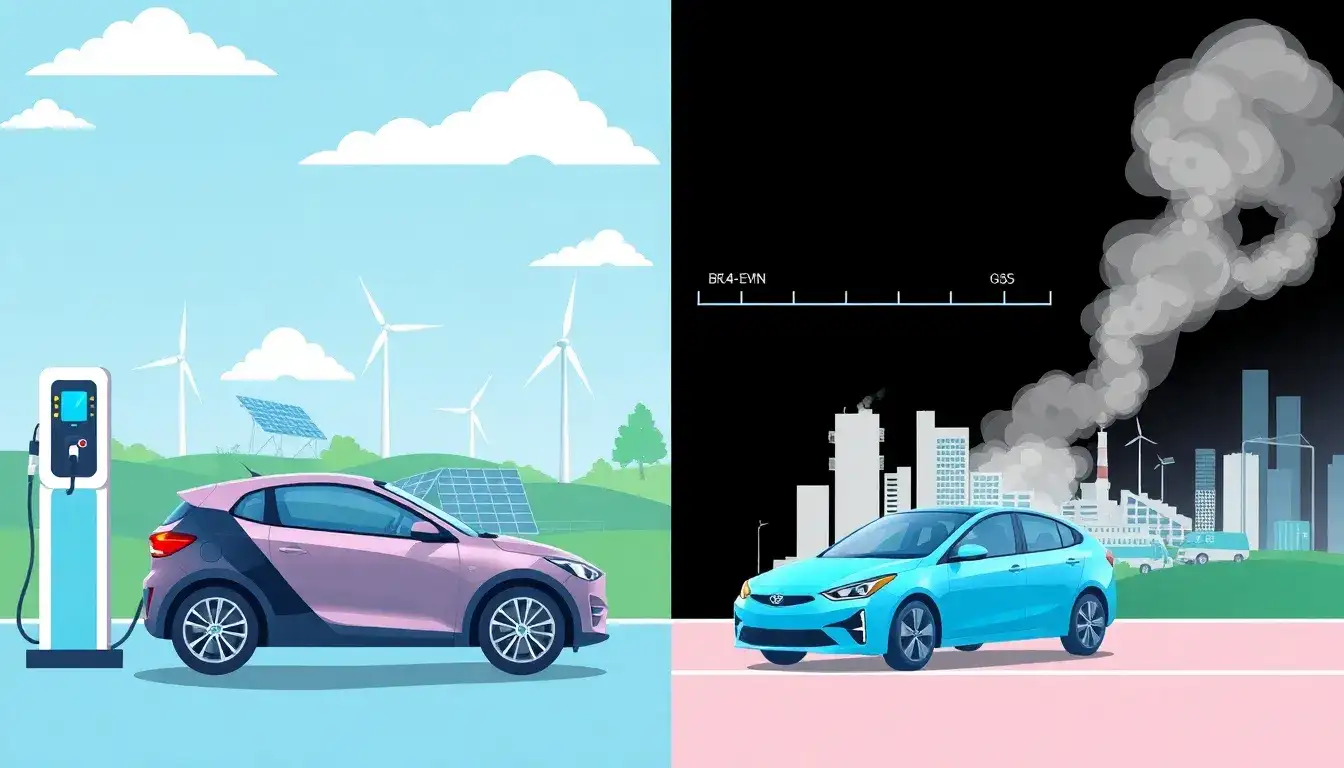
The “break-even” point for electric vehicles (EVs) compared to gas-powered cars varies based on several factors, including where the vehicle is manufactured, how it is charged, and the regional energy mix. Generally, EVs emit more greenhouse gases during manufacturing due to battery production. However, once on the road, they produce significantly fewer emissions, especially as the electricity grid becomes cleaner over time.
- U.S. Context: In the United States, the breakeven point is typically around 41,000 kilometers (about 25,500 miles) or roughly two years of driving, assuming an average annual distance of about 19,000 kilometers (12,000 miles).
- European Context: For Europe, an EV typically pays off its carbon debt after about 18,000 kilometers (11,000 miles).
- UK Context: In the UK, for a vehicle like the Tesla Model Y, the breakeven point is around 21,000 kilometers (13,000 miles), which can be achieved in less than two years.
- Future Prospects: As the electricity grid becomes cleaner with more renewable energy, the breakeven point for EVs will decrease. For example, when the grid reaches 95% renewable energy, the break-even point could be as low as 14,800 miles for electric cars.
Overall, EVs start reducing net emissions quickly, and their benefits increase over time as the energy mix improves.
Original article by NenPower, If reposted, please credit the source: https://nenpower.com/blog/how-long-does-it-take-for-an-ev-to-break-even-with-a-gas-powered-car-in-terms-of-emissions/

