

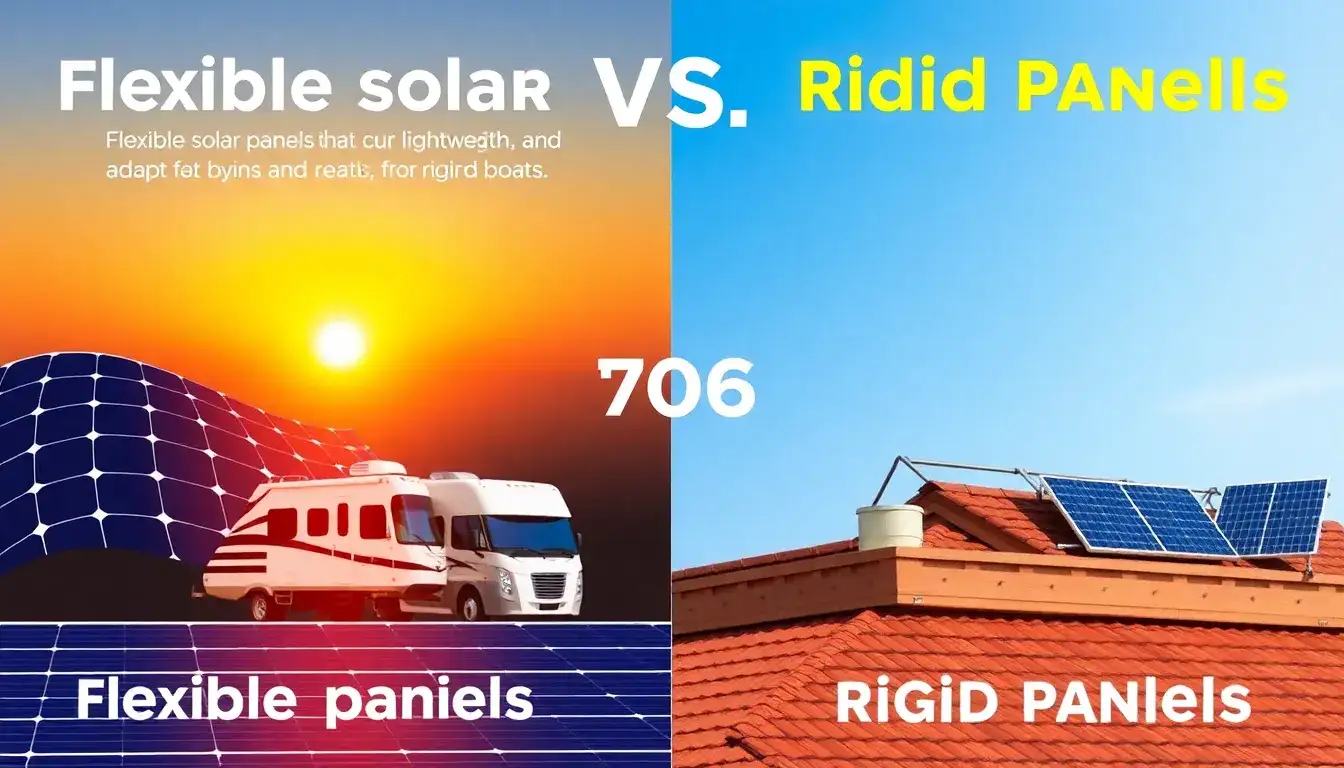
Flexible solar panels generally have a shorter lifespan compared to traditional rigid solar panels.
- Lifespan of Flexible Solar Panels: Flexible panels typically last between 5 to 15 years, with many sources citing an average lifespan of about 10 to 15 years. The variation depends on factors such as the quality of materials, manufacturing technology, environmental exposure, frequency of bending or movement, and maintenance. High-quality flexible panels using materials like ETFE coatings and monocrystalline cells can reach lifespans up to 15-25 years under favorable conditions, but such cases are less common.
- Lifespan of Rigid Solar Panels: Traditional rigid solar panels usually last 25 years or more, with many warranties and studies supporting durability of two and a half decades or longer. This longevity is largely due to their construction—rigid panels are typically encased in tough glass and aluminum frames that provide superior protection against weather and physical damage.
- Durability and Efficiency Differences: Flexible solar panels are made from lightweight, flexible materials such as plastic or polymer substrates, which make them less durable than rigid panels that use glass and metal framing. Flexible panels’ protective layers are thinner and less resistant to UV exposure, moisture, and physical impacts, causing faster degradation especially if frequently bent or moved. Conversely, rigid panels are more resistant to harsh environmental conditions like storms or hail and maintain higher electrical efficiency over time.
Summary Comparison:
| Feature | Flexible Solar Panels | Rigid Solar Panels |
|---|---|---|
| Typical Lifespan | 5 to 15 years (up to 25 years for high-quality) | 25 years or more |
| Materials | Plastic/polymer substrates, thin-film technology | Glass and aluminum framing |
| Durability | Less durable, susceptible to damage and environmental wear | More durable, resistant to weather and physical damage |
| Efficiency | Typically 15% to 20% | Typically 20% to 25% or higher |
| Ideal Use Cases | Portable, curved surfaces, RVs, boats | Residential and commercial fixed installations |
In conclusion, flexible solar panels trade off longevity and efficiency for portability, flexibility, and ease of installation on non-flat surfaces. They last roughly half as long as rigid solar panels and are more prone to wear and tear, making rigid panels the preferred choice for long-term, fixed applications such as residential rooftop solar systems.
Original article by NenPower, If reposted, please credit the source: https://nenpower.com/blog/how-long-do-flexible-solar-panels-typically-last-compared-to-rigid-panels/

