

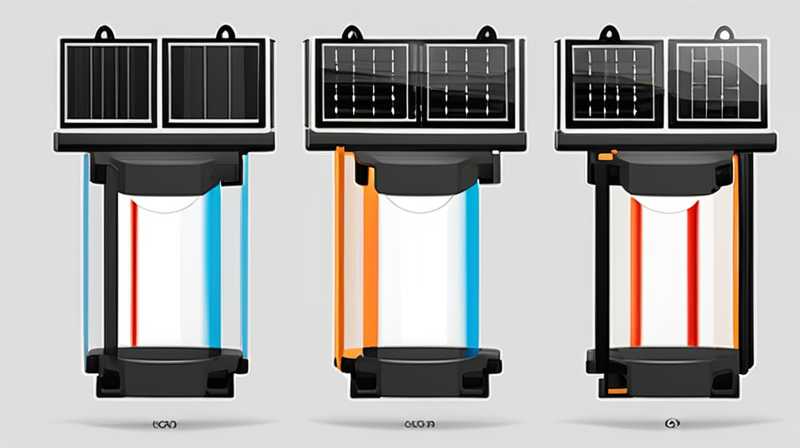
1. Solar outdoor light belts can last anywhere from 3 to 10 years, influenced by various factors including the quality of materials, design specifications, environmental conditions, and usage. Each component of a solar light belt plays a vital role in determining its longevity. 2. High-quality LED bulbs, durable solar panels, and effective batteries significantly enhance lifespan. 3. Proper maintenance practices, such as regular cleaning and timely replacements of damaged parts, can extend their operational efficiency. 4. Adverse weather conditions, such as extreme cold or excessive heat, may negatively affect performance over time, necessitating careful consideration of product choice.
1. UNDERSTANDING SOLAR OUTDOOR LIGHT BELT TECHNOLOGY
The evolution of solar technology has revolutionized outdoor lighting solutions. These systems harness sunlight and convert it into electrical energy through integrated solar panels, enabling them to operate without direct electrical connections. The essential components consist of solar panels, rechargeable batteries, LED bulbs, and control circuits. Collectively, they contribute to the overall efficiency and reliability of the solar outdoor light belt. Solar outdoor light belts come in various designs, with flexibly arranged lights serving ornamental as well as functional purposes in outdoor spaces.
The deployment of these light belts serves numerous practical functions. They provide efficient illumination for pathways, gardens, patios, and driveways while enhancing safety around properties. Additionally, they are environmentally friendly, making them a popular choice for sustainable living advocates. As with any technology, a comprehensive understanding of how each part functions contributes to a better insight into how long these light belts can last.
2. COMPONENTS OF SOLAR OUTDOOR LIGHT BELTS
2.1 SOLAR PANELS
Solar panels are fundamental elements that directly impact the performance and longevity of outdoor light belts. Constructed from solar cells, these panels absorb sunlight and convert it into usable electricity through the photovoltaic effect. The efficiency and material quality of the solar panel significantly affect how much energy can be captured. Generally, monocrystalline panels offer higher efficiency and longer life spans compared to polycrystalline counterparts.
In regions with ample sunlight, a well-designed solar panel can significantly extend the operational period of the lighting system. However, shading from nearby structures or trees can negatively influence the energy absorption rate. Thus, considering the placement of solar outdoor lights is crucial to maximize sunlight exposure, ensuring the longevity of the light belt.
2.2 BATTERIES
Batteries store the energy collected during daylight hours for use during the night. The type of battery utilized has a profound impact on the solar light belt’s longevity. Lithium-ion batteries are commonly favored due to their robust performance and longer life spans compared to traditional lead-acid options. They provide higher energy density, making them more efficient for storing solar energy.
The overall battery capacity also plays a vital role in the system’s duration. A battery with insufficient capacity may cause the lights to dim or fail to turn on during the night after days of low sunlight. Thus, understanding how battery specifications align with expected usage is essential to maximize the effectiveness and lifespan of the solar outdoor lighting system.
3. FACTORS AFFECTING LONGEVITY
3.1 ENVIRONMENTAL CONDITIONS
Environmental conditions, including temperature fluctuations, humidity, and exposure to elements, have a significant bearing on the durability of solar outdoor light belts. They must withstand various weather conditions throughout their operational life. Extreme temperatures can reduce battery efficiency, while excessive moisture can lead to corrosion and damage to electrical components.
It’s essential to consider that areas experiencing frequent temperature shifts or harsher climates may necessitate more robust equipment. Manufacturers may provide specifications based on environmental categories, aiding consumers in determining suitable products for their respective locations.
3.2 MAINTENANCE PRACTICES
Regular maintenance is the key to extending the operational life of solar outdoor light belts. Essential practices include cleaning the solar panels to ensure optimal energy absorption and inspecting wiring and connections for signs of wear or damage. Over time, dust, debris, and moisture can accumulate on the panels, hindering their efficiency and lifespan.
Furthermore, proactive replacement of defective parts such as batteries and bulbs can prevent further damage to the system. Encouraging regular maintenance habits leads to enhanced performance and can effectively prolong the time frame in which the lights remain functional and reliable.
4. CONSIDERATIONS FOR PURCHASING SOLAR OUTDOOR LIGHT BELTS
4.1 QUALITY OF MATERIALS
When selecting solar outdoor light belts, assessing the quality of materials is crucial to ensure a product’s durability and longevity. High-grade plastics, corrosion-resistant metals, and reliable LED technology can significantly enhance performance and lifespan. Researching well-known manufacturers and reading product reviews can offer insights into quality and past consumer experiences.
Investing in quality materials may involve higher upfront costs, but it typically results in lower maintenance costs and fewer replacements over time. Opting for durable light belts can serve to provide peace of mind concerning long-term performance, fostering satisfaction in the purchase decision.
4.2 ENERGY EFFICIENCY RATINGS
Energy efficiency ratings are indicators of how effectively the solar light belt can convert sunlight into usable energy. Choosing products with high efficiency ratings ensures optimal performance throughout their lifespan. Industry-specific certifications, such as those from the Energy Star program, can provide additional assurance regarding the product’s energy efficiency.
Understanding the power consumption of different lighting options helps to evaluate how well the product aligns with energy and lighting needs. By considering these ratings, consumers can make enlightened choices that lead to satisfactory results and an extended lifespan for their solar outdoor lighting systems.
5. CONCLUSION OF SOLAR OUTDOOR LIGHT BELT LONGEVITY
Ultimately, the lifespan of solar outdoor light belts varies widely based on multiple factors, including environmental conditions, quality of materials, and maintenance practices. A well-designed product featuring high-quality components can last between 3 to 10 years, providing reliable service for numerous outdoor applications. Consumers should prioritize purchasing high-efficiency solar panels and long-lasting batteries to ensure optimal performance throughout their lighting system’s life. Regular maintenance is equally crucial, as active involvement in cleanliness and addressing parts replacement will significantly extend the system’s usability.
Moreover, awareness of environmental factors, such as temperature fluctuations and weather conditions, can guide consumers in selecting ideal products suited for their specific needs. Proper installation, including optimal placement for sunlight absorption, enhances performance and reduces the risk of premature degradation. Prioritizing quality, efficiency, and upkeep fosters a more sustainable and effective outdoor lighting experience. The right choices will cultivate a dependable and enduring outdoor lighting solution, blending functionality with environmental consciousness.
FAQs
HOW DO SOLAR OUTDOOR LIGHT BELTS WORK?
Solar outdoor light belts function by collecting sunlight through solar panels, which convert this light into electricity. During daylight, the solar energy is stored in rechargeable batteries connected to the system. When the sun sets, the stored energy powers the lights, typically equipped with energy-efficient LED bulbs, illuminating outdoor areas. Their efficacy can vary based on the quality of the solar cells and batteries in use, as well as the duration and intensity of sunlight exposure. Regular maintenance, such as cleaning the panels and inspecting batteries, is crucial to ensure optimal performance for longevity. Furthermore, users benefit from strategically positioning their lighting to receive maximum sunlight during the day, optimizing energy collection and ensuring reliable nighttime illumination.
WHAT MAINTENANCE IS REQUIRED FOR SOLAR OUTDOOR LIGHT BELTS?
Maintaining solar outdoor light belts includes several key practices to enhance their lifespan and functionality. Regular cleaning of the solar panels is essential, as dust and debris can obstruct sunlight absorption. Users should also check connections and wiring periodically to prevent damage or corrosion. This might involve inspecting the battery for any signs of wear, ensuring a proper charge cycle, and replacing parts like batteries and LED bulbs as needed. Monitoring environmental conditions, such as heavy rains or extreme temperatures, also contributes to overall performance. By committing to these maintenance practices, users can maximize the efficiency and durability of their solar lighting solutions, creating a sustainable and functional outdoor environment.
WHAT ARE THE BENEFITS OF USING SOLAR OUTDOOR LIGHT BELTS?
Opting for solar outdoor light belts offers several advantages, making them an attractive option for consumers. Primarily, they provide a sustainable and renewable energy source, significantly reducing electricity costs over time. These lighting systems require no traditional electrical connection, allowing for easy installation and flexibility in placement. Additionally, many modern solar light belts utilize energy-efficient LED technology, providing bright illumination while consuming minimal power. Furthermore, the absence of wiring reduces safety hazards and makes them eco-friendly choices by minimizing carbon footprints. Lastly, they enhance outdoor spaces aesthetically while contributing to security by illuminating dark areas effectively. Overall, these advantages create compelling reasons for choosing solar outdoor light belts as a practical and environmentally responsible lighting solution.
Original article by NenPower, If reposted, please credit the source: https://nenpower.com/blog/how-long-can-the-solar-outdoor-light-belt-last/

