

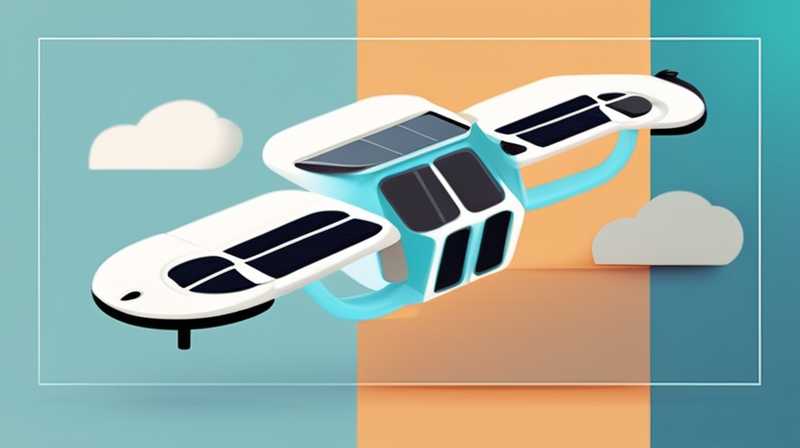
1. The duration of solar-powered drone flights can extend significantly depending on several essential factors: 1. Design and efficiency of the solar panels, 2. Weight and aerodynamics of the drone, 3. Amount of sunlight available during the flight, 4. Operational altitude and flight conditions, 5. Battery technology and energy management systems. For instance, advanced solar drones can stay airborne for up to several hours, with continuous solar exposure allowing them to recharge as they fly. The integration of innovative battery systems also plays a critical role in maximizing flight duration. Understanding these multiple components is crucial when estimating the capabilities of solar-powered drones.
1. UNDERSTANDING SOLAR-POWERED DRONES
The amalgamation of solar energy with unmanned aerial vehicles represents a transformative breakthrough in aviation technology. These distinctive drones harness solar energy through photovoltaic panels, converting sunlight into usable electrical energy. The efficiency of these solar cells is paramount, as it determines how much energy can be harvested during flight. Cutting-edge solar technology has seen efficiency rates surpassing 40%, which maximizes energy production and extends flight times. Furthermore, the overall design of the drone must be meticulously engineered to facilitate the capture of solar energy while maintaining a lightweight structure conducive to aerial maneuvers.
The material selection for these drones also significantly influences their functionality. Lightweight materials, such as carbon fiber and specialized composites, reduce the overall weight while ensuring durability. This reduction in weight directly correlates with increased flight time, as less energy is consumed maintaining altitude and navigating. In essence, understanding these aspects of solar-powered drone construction is vital for evaluating their flight capabilities.
2. FACTORS AFFECTING FLIGHT DURATION
Numerous factors contribute to the flight duration of solar-powered drones, each playing a pivotal role in energy consumption and generation. 1. Solar Panel Efficiency: The quality and efficiency of the solar panels enable drones to convert maximum sunlight into electricity. Higher efficiency translates to greater energy capture, enhancing the drone’s ability to remain airborne for extended durations. 2. Environmental Conditions: Weather conditions, including cloud cover, rain, and atmospheric humidity, can severely affect solar energy availability. For example, overcast skies significantly diminish the energy harvested, potentially shortening flights.
Moreover, the drone’s operating altitude can influence its solar energy intake. Flying at higher altitudes may expose the drone to more sunlight, provided the ascent is energetically feasible. However, strong winds and temperature variations can also impede performance, creating a delicate balance between altitude and energy efficiency. Recognizing these factors is crucial for optimizing solar-powered drone operations, enabling users to maximize the potential flight times.
3. THE ROLE OF BATTERY TECHNOLOGY
Battery technology is a critical component in determining the flight endurance of solar-powered drones. Modern advancements in lithium-polymer and lithium-ion batteries allow for higher energy densities, which directly affect how long these drones can fly. Batteries serve as an auxiliary energy source when solar power is insufficient, such as during nighttime or under cloudy conditions. Implementing energy management systems enables drones to efficiently balance energy usage between solar power and battery reserves.
Additionally, the integration of regenerative energy systems can further enhance flight duration. By capturing excess energy generated during optimal solar conditions, drones can extend their operational periods without needing immediate recharging. As battery technology continues to evolve, we can expect even greater efficiency and longer flight times from solar-powered drones, guaranteeing their increasing relevance in various applications.
4. APPLICATIONS OF SOLAR-POWERED DRONES
Solar-powered drones have a myriad of applications across different sectors, showcasing their versatility and sustainability advantages. 1. Environmental Monitoring: These drones are instrumental in tracking climate changes, wildlife movements, and deforestation rates. Their ability to fly for extended periods allows them to cover vast areas without interruption, collecting valuable data on environmental conditions.
2. Agricultural Surveillance: Farmers are increasingly turning to solar drones to monitor crop health, soil conditions, and irrigation needs. By utilizing drones that can remain airborne for longer durations, agricultural professionals can assess fields more effectively, leading to improved agricultural practices and increased yields.
These examples illustrate the substantial impact solar-powered drones can have across various industries. The capacity for long-duration flights opens doors for innovative solutions to existing challenges, contributing to sustainability initiatives in critical areas of global concern.
FAQs ABOUT SOLAR-POWERED DRONES
HOW DO SOLAR PANELS WORK ON DRONES?
Solar panels function based on the photovoltaic effect, whereby sunlight strikes the cells, exciting electrons and generating electric current. The energy produced is transferred to the drone’s battery, supporting its operational systems. The efficiency of these panels is essential for maximizing energy capture, enabling prolonged flight durations. Various designs, such as flexible solar cells, allow for better integration into drone surfaces, ensuring that maximum sunlight exposure is achieved during flight. Furthermore, advanced energy management systems can optimize how energy is stored, ensuring that all harvested energy is effectively utilized.
WHAT IS THE MAXIMUM FLIGHT TIME OF SOLAR-POWERED DRONES?
The maximum flight time of solar-powered drones can vary widely based on numerous factors, including solar panel efficiency, drone weight, and weather conditions. In optimal conditions, some high-end models can achieve flight durations exceeding 24 hours by utilizing both solar energy and battery reserves. It’s essential to note that these durations can fluctuate greatly depending on environmental variables, such as light availability and temperature fluctuations, which can impact energy collection. Therefore, while impressive flight times are possible, actual performance will always depend on real-world conditions.
ARE SOLAR-POWERED DRONES ENVIRONMENTALLY FRIENDLY?
Yes, solar-powered drones are considerably more environmentally conscious compared to traditional fuel-powered aircraft. Their operation relies on renewable energy, reducing harmful emissions associated with fossil fuel consumption. By utilizing solar energy, these drones can perform extensive aerial missions with minimal environmental impact, contributing to sustainability efforts in various industries. Furthermore, the ability to recharge during flights means they are less reliant on conventional energy sources, promoting a shift towards greener technologies. As industries begin to incorporate these advanced drones, they can significantly reduce their carbon footprints and promote a more sustainable approach to aerial operations.
In summary, the exploration of solar-powered drones presents a compelling narrative of technological advancement and sustainable innovation. The duration they can remain airborne is influenced by numerous critical elements, including the efficiency of solar panels, battery technology, environmental conditions, and the specific design of the drone itself. By integrating these technologies and considering the operational factors such as weight and aerodynamics, engineers are continuously refining designs for superior flight times. This evolution signifies potential applicability across a spectrum of industries, from agriculture to environmental surveillance, wherein durable and long-flying drones could enable unprecedented operational capabilities.
As the aviation sector progresses towards sustainable alternatives, solar-powered drones embody a remarkable shift in how we conceptualize drone usage. This transformation highlights a necessary move away from traditional energy sources, embracing renewable solutions that may redefine operational standards. Future innovations in battery technology will likely yield even longer flight capabilities and enhanced functionality, ensuring their increasing importance in reconnaissance, delivery, and survey applications.
Ultimately, the trajectory of solar-powered drone technology suggests a bright future, interwoven with the broader narrative of green energy. By fostering an understanding of how these aerial vehicles operate and their potential applications, stakeholders can tap into new methodologies for addressing contemporary challenges through sustainable practices.
Original article by NenPower, If reposted, please credit the source: https://nenpower.com/blog/how-long-can-a-solar-powered-drone-fly/

