

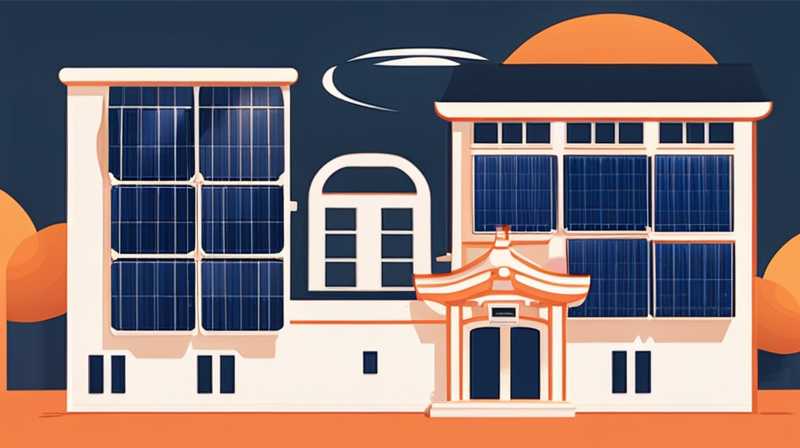
How is the solar energy in YiJu Mansion?
1. Solar energy in YiJu Mansion is highly efficient, cost-effective, eco-friendly, and integrates seamlessly into the design. The introduction of solar technology at YiJu Mansion has transformed energy consumption in the building. As a prominent example of sustainability in architecture, this project highlights the significant advantages of harnessing renewable resources for residential purposes. Solar energy systems installed at YiJu Mansion provide an array of benefits that align with modern environmental standards while reducing energy expenses.
2. YiJu Mansion serves as a compelling case study demonstrating the multifaceted benefits of using solar energy within residential complexes.
1. SOLAR ENERGY SYSTEMS
The implementation of solar energy systems at YiJu Mansion encompasses a variety of technologies designed to capture and convert sunlight into usable electricity. Solar photovoltaic (PV) panels, commonly deployed in residential settings, collect sunlight and convert it into direct current electricity, which can be transformed into alternating current for use in homes. The effectiveness of these panels relies heavily on their placement, orientation, and angle, ensuring optimal exposure to sunlight throughout the day. In YiJu Mansion, a strategic installation maximizes energy capture, thus enhancing overall efficiency.
In addition to photovoltaic technology, YiJu Mansion also embraces solar thermal systems that provide hot water for domestic use. Such systems leverage the heat absorbed by solar collectors to warm water, which can then be used in bathrooms, kitchens, and for heating purposes. The integration of both PV and thermal systems positions the mansion at the forefront of sustainability efforts, significantly reducing dependency on traditional energy sources.
2. ECONOMIC ADVANTAGES
The incorporation of solar technology into YiJu Mansion carries substantial economic benefits for residents and the management alike. One of the most significant advantages is the reduction in energy costs. By generating electricity from sunlight, the total reliance on grid energy diminishes, leading to lower monthly utility bills. Over time, the initial investment in solar infrastructure becomes financially viable through these savings. This financial aspect is especially crucial in urban environments where energy prices are subject to fluctuation.
Furthermore, the potential for government incentives and rebates offers additional economic advantages. Many jurisdictions provide financial incentives for renewable energy installations, effectively lowering the overall installation costs. Incentives may come in the form of tax credits, grants, or subsidies that encourage homeowners to adopt solar technology. At YiJu Mansion, residents can benefit from such incentives, making solar energy adoption not only environmentally responsible but economically advantageous as well.
3. ENVIRONMENTAL IMPACT
The promotion of solar energy at YiJu Mansion throws light on its positive influence on the environment. By reducing reliance on fossil fuels, solar energy contributes significantly to lower greenhouse gas emissions. This shift towards renewable energy sources plays a crucial role in combating climate change, which is a pressing global issue. In urban settings where pollution levels are high, the adoption of cleaner energy solutions like solar power can lead to improved air quality and reduced carbon footprints.
Moreover, installing solar energy systems enhances the overall ecological landscape within which YiJu Mansion is situated. The local biodiversity may experience benefits as well, with the reduction of pollutants and a shift towards sustainable practices contributing to a more balanced ecosystem. Residents can thus take pride in the knowledge that their energy consumption is directly contributing to the well-being of the planet.
4. TECHNICAL INNOVATIONS
The continuous evolution of technology is mirrored in the advancements seen in solar systems utilized in YiJu Mansion. The incorporation of smart technology allows monitoring energy usage in real time, providing residents with valuable insights that can optimize their energy consumption habits. Systems may even be integrated with mobile applications, enabling individuals to control their energy usage proactively. These innovations ensure a more efficient system and promote an environmentally conscious lifestyle among residents.
Additionally, the advancements in solar battery storage technologies complement the initial solar energy systems. These batteries store excess energy generated during peak sunlight hours, ensuring that this energy remains accessible even when solar production is low, such as during cloudy days or at nighttime. As a result, YiJu Mansion residents benefit from greater energy reliability and independence, solidifying the mansion’s status as a benchmark for sustainable living.
5. COMMUNITY BENEFITS
The transformation of YiJu Mansion into a solar-powered facility fosters a sense of community among residents, creating a shared ethos of sustainability. This initiative not only benefits individual households but also cultivates a collective awareness towards energy conservation. As members of the community engage in discussions about their energy practices, they become advocates for sustainability, inspiring each other and raising awareness about environmental issues.
Moreover, YiJu Mansion can set an example for neighboring buildings and communities. By showcasing the successful implementation of solar energy, it encourages other residential complexes to explore similar initiatives, thus amplifying the reach of sustainable practices throughout the region. This ripple effect builds a momentum that can spark broader changes in local energy policies and encourage municipalities to prioritize solar energy adoption.
6. FUTURE OUTLOOK
Looking into the future, the prospects for solar energy at YiJu Mansion appear overwhelmingly positive. As technology continues to advance, further enhancements in solar energy applications are anticipated. Innovations will likely lead to more efficient solar panels, improved energy storage options, and increasingly sophisticated monitoring systems. This evolution promises to heighten the overall efficacy and affordability of solar energy solutions.
Additionally, ongoing government support for renewable energy initiatives bodes well for the continued expansion and integration of solar technologies. Such policies are likely to create a more favorable environment for both residential and commercial energy users seeking to transition to renewable sources. In this context, YiJu Mansion stands to benefit from both technological advancements and supportive legislative frameworks, solidifying its position as a model for sustainable living.
7. SOCIAL RESPONSIBILITY
Adopting solar energy technologies also aligns with broader societal goals regarding corporate and social responsibility. In an era where individuals and businesses are increasingly held accountable for their environmental impact, YiJu Mansion’s commitment to renewable energy enhances its reputation as a socially responsible entity. This commitment not only appeals to environmentally conscious consumers but also aligns with global efforts to foster sustainable urban development.
As more buildings transition to renewable energy, it is clear that the momentum for sustainable practices is not just a fleeting trend but a lasting shift toward responsible living. The actions taken within YiJu Mansion exemplify a proactive approach in addressing one of society’s most pressing challenges—climate change. The building’s efforts showcase how residential spaces can navigate and adapt to this changing landscape, setting a compelling precedent for the future.
8. EDUCATIONAL OPPORTUNITIES
Lastly, the solar energy initiative at YiJu Mansion encompasses educational elements that foster a deeper understanding of renewable energy among its residents. Workshops and trainings can be organized within the community to raise awareness and disseminate knowledge regarding solar technology and its significance. This educational focus encourages informed discussions about energy consumption and conservation habits.
Additionally, collaboration with local educational institutions to create informative programs may further instill a sense of advocacy toward sustainability among younger generations. Such initiatives not only empower residents but also contribute to building a more informed and engaged community. Ultimately, not only does YiJu Mansion provide energy-efficient living, but it also cultivates an atmosphere where learning and growth around sustainability can flourish.
1. WHAT ARE THE BENEFITS OF SOLAR ENERGY IN RESIDENTIAL SETTINGS?
The advantages of solar energy within residential environments are manifold. Foremost among these is the significant reduction in energy bills, resulting from the conversion of sunlight into electricity. Homeowners can generate their own power, substantially decreasing reliance on grid energy and lowering costs associated with monthly utility bills. Furthermore, integrating solar systems often leads to increased property values, as homes equipped with renewable energy technologies tend to be more attractive to environmentally conscious buyers.
Additionally, solar energy systems contribute to a decreased carbon footprint. By opting for solar power rather than continuing reliance on fossil fuels, residents actively participate in the global movement toward reducing greenhouse gas emissions and mitigating climate change. This aspect is increasingly important for individuals who prioritize sustainable living and wish to leave a positive impact on the environment.
2. HOW DOES SOLAR ENERGY CONTRIBUTE TO SUSTAINABILITY IN URBAN SETTINGS?
Solar energy plays a significant role in promoting sustainability within urban areas, where demand for energy is high. By harnessing sunlight as a renewable resource, cities can alleviate pressure on finite fossil fuel reserves. This shift not only reduces the consumption of nonrenewable resources but also contributes to improved air quality by minimizing associated emissions.
Ultimately, the integration of solar technology in urban settings opens opportunities for smarter energy management practices. With innovations in energy storage systems combined with photovoltaic panels, urban areas can optimize energy consumption patterns, enhance grid stability, and support electric vehicle infrastructure. These advancements form a cohesive sustainable ecosystem that aligns with urban planning goals focused on reducing environmental impact.
3. WHAT ECONOMIC INCENTIVES ARE AVAILABLE FOR SOLAR ENERGY SYSTEMS?
Many governments offer a range of economic incentives to encourage the adoption of solar energy systems. Common incentives include tax credits, grants, and rebates specifically designed for renewable energy installations. These financial mechanisms help to offset the initial costs associated with purchasing and installing solar technology, making it more accessible to a wider range of homeowners.
In certain regions, feed-in tariffs and net metering options allow solar energy users to sell excess energy generated back to the grid, creating an additional source of income. Such financial opportunities reinforce the economic practicality of solar systems while encouraging further investment in renewable energy, resulting in a proliferation of sustainable energy sources.
The utilization of solar energy in YiJu Mansion encapsulates a holistic approach toward sustainable living. From energy efficiency and economic savings to environmental impact and community engagement, this initiative sets a definitive example for modern residential architecture. As the world faces pressing challenges posed by climate change, the forward-thinking actions taken at YiJu Mansion highlight not only the feasibility but also the necessity of embracing renewable energy sources. The promising future of solar technology in urban settings offers hope for creating resilient, sustainable communities equipped to tackle the challenges of the 21st century. By prioritizing solar energy adoption, YiJu Mansion contributes to a broader shift toward sustainability that will echo through generations, fostering a healthier planet and cultivating empowered residents well-versed in renewable energy practices.
Original article by NenPower, If reposted, please credit the source: https://nenpower.com/blog/how-is-the-solar-energy-in-yiju-mansion/

