

How is the export profit of energy storage cabinet?
1. The export profit of energy storage cabinets can be influenced by several critical factors: 1. Market demand trends indicate growing consumption, 2. Production costs directly impact profit margins, 3. Regulatory frameworks can either facilitate or hinder profitability, 4. Technological advancements may enhance performance and efficiency. Each of these factors plays a significant role in determining the overall profitability.
2. Exponential growth in the energy storage sector reflects an increasing global emphasis on renewable energy solutions. Countries are moving towards sustainable practices, leading to a notable rise in demand for energy storage cabinets. The popularity of technologies such as lithium-ion batteries has drastically transformed this industry, with renewable energy sources like solar and wind becoming more prevalent. Businesses engaged in the production and export of these cabinets can capitalize on this growing trend.
While demand for energy storage solutions is on the rise, production costs represent a substantial portion of the financial equation. The materials used, labor expenses, and logistical considerations can create significant expense discrepancies. Efficient production techniques, including automation and quality control measures, can help to lower effective production costs, therefore leading to improved profit figures. But without efficient processes, companies may struggle, and profit margins could be adversely affected.
Furthermore, regulatory frameworks are critical as they set the stage for market entry and operational practices. Countries may impose tariffs or export restrictions that directly influence the profitability of exporting energy storage cabinets. Understanding international regulations, compliance requirements, and market entry strategies is essential for maximizing profitability. Establishing a strong legal framework can assist exporters in navigating challenges while enhancing potential revenues.
Technological advancements cannot be overlooked in an industry where innovation drives competitive advantage. Ongoing research and development can lead to more efficient and reliable energy storage systems, which can significantly impact the profitability of exports. Companies that invest in newer technologies typically hold a more substantial marketplace. Therefore, staying ahead of competitors through technological innovation becomes paramount.
In summary, the export profit of energy storage cabinets is multifaceted, relying heavily on market dynamics, production efficiency, regulatory environments, and technological progress. Each factor interrelates to influence profitability positively or negatively, demonstrating the complexity and potential rewards of this burgeoning industry.
MARKET DEMAND TRENDS
Understanding market demand trends is vital when discussing the export profit of energy storage cabinets. The global shift towards renewable energy sources has fueled an increased need for reliable energy storage solutions. As nations strive for sustainability, businesses focusing on energy storage solutions experience a pronounced surge in consumer interest. This trend is not simply a fleeting movement; it is a persistent shift that signals the necessity of energy storage systems in various sectors—from residential to industrial applications.
Investors and manufacturers must remain attentive to the shifting landscape of energy consumption to seize opportunities. Reports estimate that globally, the market for energy storage systems will reach unprecedented heights in the coming years. Market analysts predict that regions highly dependent on renewable sources will showcase the most significant growth potential. As governments introduce policies that promote clean energy initiatives, companies will find warm reception and favorable market conditions to export their cabinets.
Moreover, the growing awareness surrounding energy efficiency is an important factor in driving demand. Consumers are increasingly conscious of energy costs, prompting them to invest in systems that optimize electricity usage. Thus, businesses providing energy storage solutions will likely see increased sales and subsequent export profits. Companies that can successfully position themselves as leaders in this sector will not only thrive domestically but can also leverage international markets to further enhance their profitability.
PRODUCTION COSTS
Production costs inherently affect the financial success of exporting energy storage cabinets. These costs encapsulate various elements, including material procurement, labor wages, factory overhead, and technology used during manufacturing. Each of these components can fluctuate significantly based on external factors, such as supply chain dynamics or economic conditions. Companies must analyze and manage these costs smartly to maximize profits.
Material costs represent one of the most crucial aspects of production expenses. Energy storage cabinets often utilize advanced materials such as lithium and cobalt, which can be expensive and subject to market volatility. Fluctuations in these raw material costs can profoundly impact the production cost, hence affecting potential profit margins. Strategic sourcing practices and strategic partnerships with suppliers can mitigate price variability and ensure stable cost management.
In addition to materials, labor costs also come into play when assessing production costs. As the manufacturing industry shifts towards automation and robotics, many companies are re-evaluating their workforce requirements. While automation can significantly reduce labor costs and introduce efficiencies, it requires substantial initial capital investments. Companies must weigh the long-term benefits against upfront expenses to decide the balance between human and machine labor for production efficiency.
REGULATORY FRAMEWORKS
A thorough comprehension of the regulatory frameworks governing the energy storage industry is indispensable for companies looking to export energy cabinets. These frameworks encompass a range of legal requirements, including safety standards, certification processes, and environmental regulations. While these regulations can serve as a protective measure for consumers, they can also create barriers to entry for manufacturers seeking to establish a market presence.
Navigating the complexity of international regulations can be daunting. Exporters of energy storage cabinets must be prepared to comply with both domestic and foreign regulations to succeed. Understanding variances in energy policies, trade agreements, and tariff arrangements is critical in ensuring compliance and reducing risks associated with international trade. Companies that fall short in adhering to regulations face potential fines, supply chain disruptions, and ultimately, a negative impact on their profitability.
Furthermore, specific certifications may enhance marketability while facilitating exports. Obtaining certifications demonstrating adherence to international standards can establish trust and reliability within the market. Such validations can set companies apart from competitors who do not pursue compliance, providing a competitive edge in a crowded field. As performance and safety standards evolve, companies must remain agile in adjusting manufacturing practices to meet new requirements.
TECHNOLOGICAL ADVANCEMENTS
The realm of technological advancements serves as an engine for growth within the energy storage cabinets sector. This fast-paced industry sees continuous innovation, with companies dedicating resources to research and development. Emerging technologies, such as solid-state batteries and other cutting-edge solutions, have the potential to redefine profitability and market dynamics.
Investing in new technologies not only enhances product offerings but also improves production efficiency. Enhanced processes can optimize manufacturing timelines and result in cost-effective production. Companies that lead in innovation are more likely to capture market share and establish dominance in both local and global markets.
Moreover, technological progress can translate into improved performance metrics, such as energy density, longevity, and safety features. As energy storage systems evolve to become more efficient and reliable, they attract a growing customer base. In the competitive export market, businesses that prioritize research and development will likely experience greater success and profitability compared to those that do not prioritize innovation.
FREQUENTLY ASKED QUESTIONS
WHAT ARE ENERGY STORAGE CABINETS?
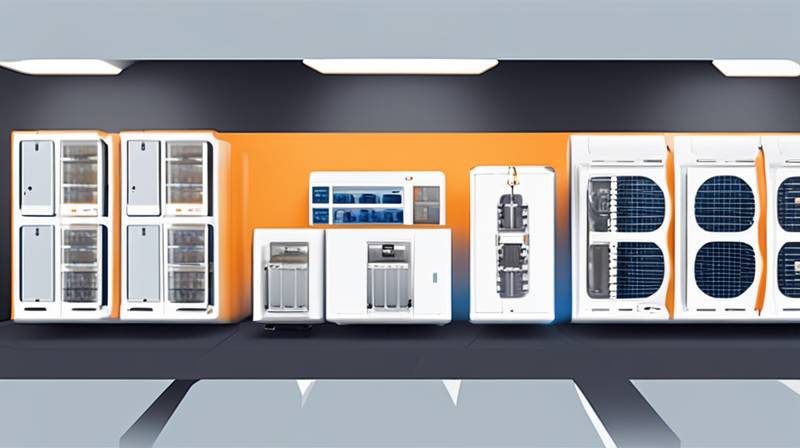
Energy storage cabinets are specialized containers designed to house various energy storage technologies, primarily batteries. These cabinets enable the efficient storage and retrieval of energy, which can either be harnessed from renewable sources like solar or wind power or drawn from the grid during low-demand periods. Equipped with advanced monitoring systems, energy storage cabinets ensure optimal performance, helping users manage energy consumption effectively.
The wide range of applications includes residential, commercial, and industrial settings. For homeowners, energy storage cabinets can help reduce electricity bills by storing energy during off-peak periods and using it during peak consumption times. In commercial or industrial environments, they facilitate power reliability and efficiency, which can be critical in maintaining day-to-day operations.
Moreover, as governments ramp up efforts to promote clean energy solutions, energy storage cabinets become increasingly integral to nationwide energy strategies. They play a vital role in enhancing the resilience of the electric grid and supporting the transition to renewable energy systems.
HOW DO PRODUCTION COSTS AFFECT EXPORTS?
Production costs significantly affect a company’s export profit margins, especially for businesses in manufacturing sectors, including energy storage cabinets. If production costs are excessively high relative to market competitors, profitability will diminish, leading to potential market entry challenges. Factors such as raw material prices, wage structures, and operational overheads can directly influence the overall costs associated with production.
When production costs increase, businesses may need to pass these costs onto consumers through higher prices, which could hinder competitiveness and market share. Conversely, if a company implements efficient production techniques, it can reduce costs and remain competitive while optimizing profit margins. Strategic decisions, including automating production or sourcing cheaper raw materials, can lead to improved profitability in export endeavors.
Additionally, variables such as currency exchange rates and international tariffs affect the financial landscape of exporting energy storage cabinets. Sensitivity to production costs allows for better pricing strategies that can bolster export initiatives and help maintain profitability in dynamic global markets.
WHAT MARKET TRENDS CAN IMPACT PROFITS IN THIS SECTOR?
Market trends are ever-evolving, and they can significantly impact profits within the energy storage cabinet sector. The transition toward renewable energy sources represents the most critical trend currently shaping this market, encouraging manufacturers to innovate and adapt their offerings. As global climate policies become more stringent, consumer demand for energy storage solutions is expected to rise, transforming the competitive landscape.
Technological advancements play a crucial role in determining the success of various companies. Continuous innovation leads to improved system performances, allowing manufacturers to capture larger market segments. Companies that are slow to adopt changes may lose relevance and market share to more agile competitors.
Another influencing factor is the regulatory environment. National policies supporting the adoption of energy storage systems can create favorable conditions for businesses. Failing to adapt to shifting regulatory landscapes may hinder progress and profitability. Therefore, staying informed about emerging trends and their implications is vital for companies striving to achieve sustained growth in energy storage cabinet exports.
FINAL THOUGHTS
In summary, the export profit potential of energy storage cabinets is multifaceted and contingent upon various dynamics, including market trends, production costs, regulatory landscapes, and technological innovations. Companies must adeptly navigate these complexities to optimize profitability and capitalize on the growing demand for energy storage solutions. Increasingly focused on sustainability, the global market sees energy storage cabinets as pivotal to transitioning toward renewable energy sources and achieving energy resilience. By staying attuned to evolving market demands, managing production costs judiciously, understanding regulatory implications, and investing in innovative technologies, businesses can position themselves favorably within this burgeoning industry. The future is bright for energy storage cabinets, especially for those who can successfully integrate these factors into their overall export strategy. Therefore, companies invested in this sector must remain proactive and agile, adapting strategies to an ever-changing landscape to achieve profitable export operations.
Original article by NenPower, If reposted, please credit the source: https://nenpower.com/blog/how-is-the-export-profit-of-energy-storage-cabinet/

