

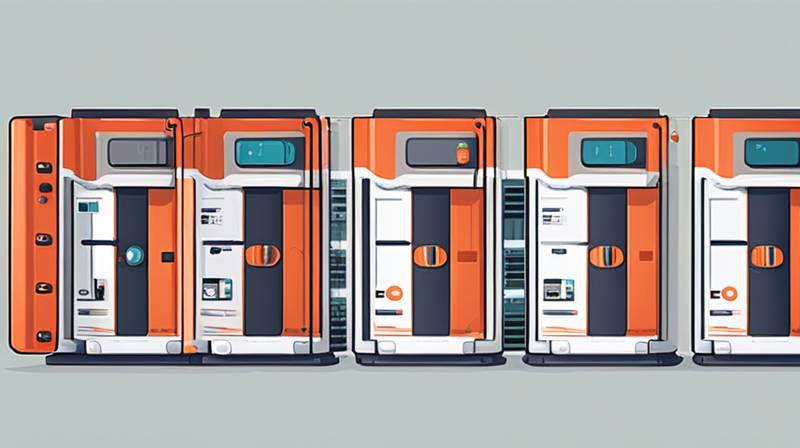
The business situation of energy storage equipment is thriving and evolving rapidly due to several critical factors. 1. Increasing demand for renewable energy sources, driven by global initiatives and climate policies, is pushing for enhancement in energy storage capabilities. 2. Technological advancements, such as improvements in battery efficiency and reductions in costs, are facilitating wider adoption across various sectors. 3. Investment inflow from both private and public sectors is significant, indicating confidence in the market’s potential for growth. 4. Regulatory frameworks globally are beginning to favor energy storage solutions, encouraging their integration into existing energy infrastructures. These dimensions reflect a transformative phase in which energy storage is not just a supportive technology but a fundamental component of future energy systems.
1. MARKET DEMAND AND TRENDS
The landscape of energy storage equipment is intricately tied to the surging demand for sustainable energy solutions. Consumer awareness regarding climate change and the need for cleaner energy sources has heightened, resulting in an increased push for renewable energy. As nations strive to decrease their reliance on fossil fuels, energy storage systems become essential in ensuring the reliability and stability of renewable sources such as solar and wind.
The requirement for energy storage spans several industries, notably in commercial, industrial, and residential sectors. Commercial enterprises, in particular, recognize the financial advantages of adopting energy storage technology, allowing them to manage peak demand, lower utility costs, and mitigate risks associated with electricity price volatility. As such, the financial viability combined with environmental imperatives propels the growth of the energy storage market.
Moreover, the transition to electric vehicles (EVs) further reinforces the necessity for energy storage systems. With governments pushing for EV adoption, the demand for efficient and scalable battery storage solutions is projected to rise significantly. This interconnectedness of industries illustrates a holistic surge in energy storage’s relevance and necessity within the modern business framework.
2. TECHNOLOGICAL ADVANCEMENTS
Exploring the realm of technological progress, numerous innovations are reshaping the energy storage equipment sector. Lithium-ion batteries have become mainstream, recognized for their exceptional energy density and long cycle life. Over time, increased investment in research and development has led to enhanced battery technologies. For instance, newer chemistries like solid-state batteries promise greater safety and efficiency, addressing the limitations observed with traditional batteries.
Additionally, recycling technologies are gaining momentum, ensuring that materials from decommissioned batteries are retrieved and repurposed for new applications. In an era where the circular economy is essential, battery recycling provides insights on sustainability and reduces the environmental footprint of battery manufacturing. These advancements not only mitigate resource scarcity concerns but also fuel innovation in the industry.
Integrating artificial intelligence (AI) into energy storage systems is another remarkable trend. AI plays a critical role in optimizing the charging and discharging cycles, enhancing overall system performance. Predictive analytics driven by AI can forecast energy demands, allowing storage systems to preemptively operate at peak efficiencies. Consequently, this convergence highlights not only the technical evolution but also a smarter approach to energy management.
3. REGULATORY FRAMEWORKS AND POLICIES
Any discussion surrounding the energy storage equipment market cannot overlook the impact of regulatory standards and policies established by various governments worldwide. Recent legislations aimed at encouraging renewable energy resources have directly influenced the adoption of energy storage systems. Policies offering financial incentives, such as tax breaks or subsidies, significantly lower the entry barriers for consumers and businesses alike.
Moreover, the evolving nature of grid services regulations is a central focal point for energy storage. Energy storage is now recognized not merely as a secondary solution but as a fundamental component of grid infrastructure. Regulatory frameworks are adapting to ensure that energy storage systems can participate in ancillary services, providing grid support and stabilizing fluctuations. Such recognition validates the role of energy storage in promoting resilience and reliability, supporting the overarching transition towards cleaner energy ecosystems.
Collaborative efforts at both local and international levels also set the stage for the growth of this sector. Joint initiatives among different stakeholders, including governments, industry leaders, and research institutions, are crucial in formulating effective policies that enhance the operational landscape for energy storage. This collective mobilization ensures that the transformative potential of energy storage is maximized and leveraged efficiently for future energy needs.
4. INVESTMENT TRENDS AND ECONOMIC IMPACTS
Investment patterns within the energy storage equipment sector exhibit robust growth, reflecting the increasing faith investors have in its potential. From venture capital funding in start-ups to significant financial commitments from large corporations, various sectors are pouring resources into energy storage technologies to harness the lucrative opportunities this market presents.
The economic impact of energy storage extends far beyond mere capital investment. By incorporating energy storage solutions, businesses can significantly reduce operational costs while enhancing profitability. Peak shaving, load shifting, and demand response mechanisms provide tangible financial benefits for users, which in turn fosters wider acceptance and integration of these technologies.
Due to this financial viability, numerous energy storage companies have begun exploring avenues for public offerings, consequently drawing even further attention from institutional investors. This influx of capital not only propels innovation and development within the sector but also allows for the exploration of advanced energy storage technologies, such as flow batteries and hydrogen-based systems, which present alternative solutions aiming to meet distinct energy demands.
The economic implications also reflect a broader shift in job creation and sectoral contributions. As the energy storage market expands, an array of employment opportunities arises, spanning across manufacturing, installation, operations, and maintenance sectors. This job growth not only strengthens local economies but also contributes to a skilled workforce catering to the evolving energy landscape.
ENERGY STORAGE TECHNOLOGIES EXPLAINED
Understanding the array of energy storage technologies available today is paramount for navigating this evolving sector. The two dominant types of technologies currently leading the market are electrochemical systems and mechanical solutions.
Electrochemical systems predominantly include lithium-ion battery technologies, prized for their efficiency and versatility. Beyond the ubiquitous lithium-ion, other promising chemistries are entering the arena, such as sodium-ion and solid-state batteries. These alternatives offer distinct advantages, such as lower cost or improved safety, and are increasingly garnering research interest.
Mechanical energy storage encompasses various systems, including pumped hydro storage and compressed air energy storage. Pumped hydro storage remains the most prominent and established technology, utilizing gravitational potential energy to store and release energy as needed. However, it often faces geographical and environmental constraints. On the other hand, compressed air energy storage leverages underground caverns to store energy as compressed air, providing a fascinating alternative in terms of scale and application.
Moreover, innovations in emerging technologies such as thermal storage are gaining traction. Using molten salt or phase change materials, thermal energy storage allows for efficient temperature regulation and energy supply management, particularly beneficial for solar thermal power applications.
The continued development and integration of these diverse energy storage technologies highlight the industry’s adaptive nature. As challenges arise, inventive solutions emerge, ensuring the energy storage landscape remains dynamic and increasingly capable of addressing contemporary energy demands.
ENVIRONMENTAL AND SOCIAL IMPLICATIONS
The conversation surrounding energy storage equipment is incomplete without addressing its environmental and social implications. Transitioning to energy storage technologies is pivotal in combating climate change, providing a means to effectively store renewable energy and lessen carbon footprints.
The lifecycle of energy storage devices, notably the sourcing of materials, manufacturing processes, and end-of-life disposal, plays a crucial role. The industry must proactively address resource extraction practices, ensuring that mining operations for essential materials such as lithium, cobalt, and nickel adhere to ethical standards. Sustainable mining methods alongside recycling initiatives are necessary to minimize environmental degradation and foster a circular economy.
Moreover, the social implications of adopting energy storage technologies are significant. Enhanced battery technologies can lead to improved access to electricity in underserved communities. Consider decentralized energy storage solutions, which empower local users to harness renewable resources, reducing reliance on traditional grid systems. This shift cultivates resilience and energy independence, enabling underserved regions to embark on a sustainable energy journey.
Furthermore, as energy storage technologies proliferate, educational initiatives must accompany this growth to inform and prepare the workforce for shifts in the job landscape. Training programs focused on energy storage systems and sustainable practices will be an essential part of workforce development, contributing to a more informed and skilled labor force.
5. FUTURE PROSPECTS IN ENERGY STORAGE
The trajectory of the energy storage sector appears imminently favorable, considering multiple prevailing trends and emerging technologies. With continuous advancements in materials science and battery technology, the future reflects a commitment to enhancing storage solutions, ultimately leading to increased efficiency and lowering costs.
Developments in artificial intelligence and smart grids are set to revolutionize the management of energy storage systems, emphasizing predictive maintenance, real-time operation adjustments, and optimized resource distribution. Such integrations can create conducive environments for energy storage systems to thrive, making energy grids more responsive to fluctuations in demand.
International collaborations aimed at standardizing technologies and practices will play a pivotal role in the sector’s progress. Establishing global benchmarks will facilitate easier adoption of energy storage solutions across diverse markets, reducing uncertainty for stakeholders involved. Collectively, these trends reflect a comprehensive approach towards maturing an industry that holds great promise in shaping a sustainable energy future, providing innovative solutions to contemporary energy challenges.
FREQUENTLY ASKED QUESTIONS
WHAT DRIVES THE DEMAND FOR ENERGY STORAGE EQUIPMENT?
The demand for energy storage equipment is primarily driven by an escalating need for cleaner energy solutions, increased adoption of renewable energy sources, and the proliferation of electric vehicles. As countries implement stricter climate policies and regulations, they aim to reduce carbon emissions significantly. This global push necessitates efficient energy management systems that can store excess energy generated from renewable sources like solar and wind.
Additionally, technological advancements have resulted in more accessible and effective energy storage solutions. Businesses recognize the economic benefits associated with energy storage, including lowering energy costs and ensuring reliability during peak consumption periods. As organizations strive for resilience against fluctuating energy prices and supply chain vulnerabilities, energy storage emerges as a strategic investment.
Collectively, these factors combine to create a burgeoning market eager to embrace innovative storage solutions integral to the transition toward a more sustainable energy framework.
HOW DOES ENERGY STORAGE IMPACT RENEWABLE ENERGY INTEGRATION?
Energy storage significantly enhances the integration of renewable energy into the existing grid infrastructure by providing essential balance and stability. Renewable energy sources, like solar and wind, are inherently variable and produce energy intermittently. By utilizing energy storage systems, excess energy produced during high-generation periods can be stored and released during low-generation times, ensuring a consistent supply to meet demand.
Furthermore, energy storage solutions can alleviate grid congestion caused by erratic energy generation patterns. When coupled with smart grid technologies, these systems allow for real-time energy management, optimizing the distribution of stored energy across the grid. Additionally, participation in ancillary services can be achieved through energy storage, whereby users can provide frequency regulation and voltage support, reinforcing grid reliability.
Ultimately, energy storage not only addresses the inconsistencies of renewable energy generation; it essentializes the transition towards sustainable energy frameworks by enabling higher renewable penetration levels in the grid, setting the stage for a clean energy future.
WHAT ARE THE KEY CHALLENGES FACING THE ENERGY STORAGE SECTOR?
While the energy storage sector is flourishing, it encounters several critical challenges that must be addressed for sustained growth. One primary challenge includes the high costs of existing technologies, particularly lithium-ion batteries, which impacts widespread adoption among varied sectors. Although prices have decreased over the past decade, further advancements are needed to achieve affordability comparable to conventional energy solutions.
Furthermore, resource availability and ethical sourcing issues pose significant hurdles. The extraction of key materials, such as lithium and cobalt, often raises sustainability and ethical concerns. Balancing resource extraction with an emphasis on environmental conservation is crucial for the continued viability of energy storage technology.
Additionally, regulatory uncertainties across different regions can create impediments to energy storage project development. A supportive policy environment with standardized regulations can enable smoother integration and provide assurance to investors. Addressing these challenges through collaboration among industry stakeholders, academic institutions, and governmental bodies will shape a resilient and dynamic energy storage market.
Through the exploration of the multifaceted landscape of energy storage equipment, significant insights into its current business situation and its vast implications are revealed. The pressing demand for sustainable energy solutions, coupled with technological advancements and favorable regulatory environments, underpins a thriving market. Moreover, the surge in investment signals the confidence of stakeholders in the future viability of energy storage systems as critical components of energy strategies. As the sector evolves, innovative technologies, alongside careful scrutiny of environmental and social implications, will play an integral role in ensuring sustainability and accessibility across communities. The collaborative future prospects demonstrate a commitment to addressing energy challenges while promoting clean energy integration hosted by energy storage systems. Stakeholders must harness this momentum to create robust frameworks that support innovation, secure ethical practices, and service diverse market needs. Ultimately, energy storage equipment not only reshapes the energy industry landscape but also paves the way for a more sustainable and resilient energy future that holds promise for generations to come.
Original article by NenPower, If reposted, please credit the source: https://nenpower.com/blog/how-is-the-business-situation-of-energy-storage-equipment/

