

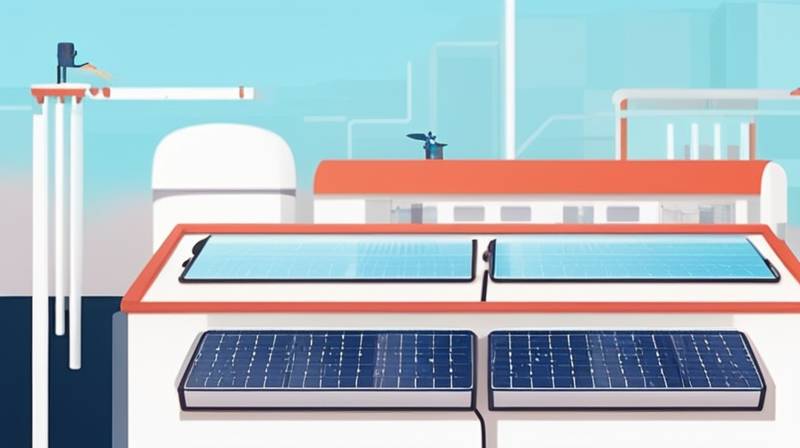
Guangdong has emerged as a prominent player in the realm of renewable energy, particularly in 1. photovoltaic power generation, 2. energy storage integration, 3. governmental policies, 4. environmental impact. The province has successfully harnessed abundant solar resources, becoming a national leader in solar power capacity. Furthermore, the integration of energy storage solutions has significantly improved the reliability and efficiency of energy delivery from solar installations. The local government has enacted various supportive measures and incentives, ensuring that both industries flourish. Additionally, the implementation of these technologies aligns with global sustainability goals, fostering environmental benefits and economic growth. A detailed exploration of these factors reveals how Guangdong is positioning itself at the forefront of the green energy transition.
PHOTOVOLTAIC POWER GENERATION IN GUANGDONG
Photovoltaic power generation in Guangdong is a focal point of the region’s commitment to renewable energy. The province is blessed with a significant amount of sunlight throughout the year, providing an excellent platform for solar power harnessing. Solar installations are proliferating, with both utility-scale projects and distributed generation systems on rooftops and buildings. These installations not only generate clean electricity but also reduce the dependence on fossil fuels, contributing to lower greenhouse gas emissions.
In recent years, Guangdong has been recognized for its robust solar photovoltaic (PV) capacity, which has positioned it as one of the leading provinces in China for solar energy development. The region’s strategic location, coupled with a favorable climate, has enabled significant advancements in both technology and infrastructure. The provincial government has facilitated substantial investments into solar projects, with initiatives aimed at enhancing efficiency standards, reducing costs, and promoting innovation within the sector. As a result, the number of solar installations has surged, validating the province’s status as a renewable energy hub.
INNOVATIONS AND TECHNOLOGY ADVANCEMENTS
Advancements in solar technology have played an integral role in the expansion of photovoltaic power generation in Guangdong. Innovations such as bifacial solar panels and floating solar farms have become increasingly prominent, providing higher energy yields compared to traditional systems. Bifacial panels, which capture sunlight on both sides, offer increased efficiency and are particularly beneficial in areas with reflective surfaces. Meanwhile, floating solar farms maximize the use of water surfaces, mitigating land use concerns, and reducing evaporation from reservoirs.
The integration of artificial intelligence (AI) and IoT (Internet of Things) technology into solar energy systems has also enhanced performance monitoring and operational efficiency. Smart grid technology allows for better energy management and distribution, ensuring that surplus energy from photovoltaic systems can be effectively stored or utilized. Such innovations are crucial for optimizing energy production, particularly during peak demand periods. As technology continues to evolve, Guangdong’s photovoltaic sector is poised for continued growth, setting benchmarks for other regions to follow.
ENERGY STORAGE INTEGRATION
Energy storage systems play a pivotal role in enhancing the reliability of solar power generation in Guangdong. The intermittent nature of solar energy underscores the need for effective storage solutions that can accommodate fluctuations in supply and demand. Battery storage technologies, particularly lithium-ion batteries and emerging solid-state batteries, are increasingly being deployed across the region. These systems enable users to store excess energy generated during peak sunlight hours, which can then be utilized during low production periods.
The economic viability of energy storage is also improving with advancements in technology. Prices for battery systems have been decreasing, making these solutions more accessible to both commercial and residential users. Furthermore, the integration of energy storage within renewable energy systems has the potential to lower electricity costs for consumers by enabling participation in demand response programs and grid services. The intersection of photovoltaics and energy storage not only enhances grid resilience but also accelerates the transition to fully renewable energy systems in Guangdong.
REGULATORY FRAMEWORK AND SUPPORTIVE POLICIES
The regulatory environment in Guangdong is conducive to the growth of energy storage technologies. Chinese national policies and local incentives have significantly promoted the deployment of storage solutions, aligning with broader sustainability goals. Support from the government includes subsidies for research and development, tax incentives for companies involved in energy storage, and streamlined approval processes for new projects. Such policies stimulate market competition, leading to innovation and cost reduction within the energy storage industry.
Moreover, the establishment of energy storage pilot projects has served as a valuable tool for demonstrating the feasibility and effectiveness of these technologies. These projects not only provide real-world data but also create opportunities for public-private partnerships, enhancing collaboration among various stakeholders. As a result, Guangdong is building a robust ecosystem for energy storage solutions that can complement its photovoltaic energy infrastructure.
ENVIRONMENTAL IMPACT
The transition to photovoltaic power generation and energy storage has profound environmental implications. By harnessing solar energy, Guangdong is making strides towards reducing reliance on fossil fuels, which are the primary contributors to air pollution and climate change. The shift towards renewable energy sources is essential for mitigating these environmental challenges, as solar power generation results in negligible emissions compared to traditional energy sources.
The environmental benefits extend beyond mere emissions reductions. Solar installations can contribute to habitat creation, particularly when integrated into agricultural settings, allowing for dual land use. Such arrangements can enhance local biodiversity while providing farmers with additional revenue sources. Furthermore, the deployment of energy storage systems aids in grid stability, ensuring that solar power can be effectively delivered during high-demand periods, thereby reducing the need for backup generation from fossil fuels.
LOCAL COMMUNITY ENGAGEMENT AND OPPORTUNITIES
Community involvement plays an essential role in advancing renewable energy initiatives. The integration of solar power generation and energy storage offers considerable socioeconomic advantages, including job creation and energy autonomy. As local companies expand in the renewable sector, new employment opportunities arise, fostering skill development and workforce readiness for future energy challenges.
Moreover, the participation of local communities in solar projects enhances public awareness of renewable energy benefits. Educational programs and initiatives can be implemented to teach residents about sustainable energy practices, fostering a culture of environmental stewardship. By promoting community engagement, Guangdong ensures that the transition to renewable energy is inclusive and beneficial to all stakeholders.
FREQUENTLY ASKED QUESTIONS
WHAT ARE THE KEY ADVANTAGES OF PHOTOVOLTAIC POWER GENERATION IN GUANGDONG?
The primary advantages of photovoltaic power generation in Guangdong include environmental sustainability, energy independence, and economic growth. These installations significantly decrease carbon emissions, contributing to global efforts against climate change. With abundant sunlight year-round, photovoltaic energy offers a reliable alternative to fossil fuels, enhancing energy security. Economically, solar installations create job opportunities in several sectors, fostering technological development and prompting investments in innovation. The region’s commitment to renewables also opens avenues for exports, positioning Guangdong as a leader in the global renewable energy market.
HOW DOES ENERGY STORAGE IMPACT THE RELIABILITY OF SOLAR POWER IN GUANGDONG?
Energy storage systems are vital for the reliability of solar power, particularly in managing supply fluctuations throughout the day. These technologies allow excess energy to be captured and stored for later use, thereby smoothing out intermittent solar generation and ensuring a steady power supply. By leveraging storage solutions, consumers and businesses can utilize solar energy at any time, regardless of sunlight availability. This capacity bolsters grid resilience and minimizes reliance on fossil fuel-based backup generation. Moreover, effective energy storage enhances the overall efficiency of solar installations, making solar energy a more appealing option for a broader audience.
WHAT ROLE DOES GOVERNMENT POLICY PLAY IN SOLAR ENERGY DEVELOPMENT IN GUANGDONG?
Government policy is instrumental in catalyzing the growth of solar energy in Guangdong. Supportive regulations, incentive programs, and funding for research and development lay the foundation for accelerated renewable energy adoption. The Chinese government has established numerous initiatives aimed at reducing costs, expanding capacity, and enhancing the overall viability of solar projects. By providing financial assistance and streamlined processes, government agencies create a conducive environment for investment in solar energy, ensuring that both industry and consumers benefit from cleaner, sustainable energy solutions. This regulatory framework not only stimulates local economies but also aligns with national targets for clean energy transition.
Achieving sustainable and resilient energy systems is critical for combating climate change and fulfilling environmental objectives. Guangdong’s advancements in photovoltaic power generation and energy storage not only highlight the province’s commitment to renewable energy but also serve as a template for others worldwide. The continued investment in technology, regulatory support, and community engagement will ensure that Guangdong remains at the forefront of the green energy movement, propelling economic growth and securing a healthier environment for future generations. This strategic incorporation of innovations and synergistic frameworks can lead to transformative outcomes, establishing a renewable energy legacy that other regions may seek to emulate. As the global demand for clean energy rises, Guangdong’s leadership serves as a beacon of sustainable practices, inspiring countries to embrace the transition towards a more sustainable energy future. These developments collectively show the potential for renewables to drive regional prosperity while addressing the pressing challenges of climate change and ecological preservation.
Original article by NenPower, If reposted, please credit the source: https://nenpower.com/blog/how-is-photovoltaic-power-generation-and-energy-storage-in-guangdong/

