

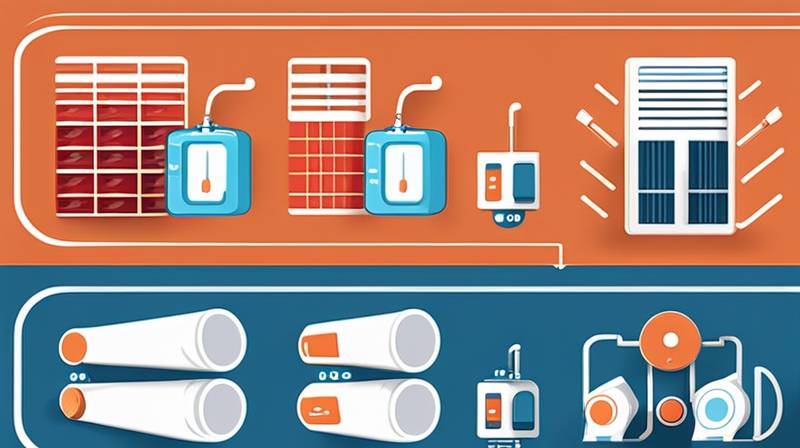
1. Industrial energy storage systems are pivotal in facilitating the clean energy transition by 1. enabling renewable energy integration, 2. enhancing reliability of energy supply, 3. improving efficiency in energy usage, 4. supporting grid stabilization. The integration of energy storage technologies within industrial sectors ensures that excess energy harnessed from renewable sources can be retained and utilized during peak demand periods, effectively minimizing reliance on fossil fuels. As industries transition toward cleaner operation modalities, sophisticated energy storage solutions not only contribute to reducing carbon emissions but also play a critical role in optimizing energy management strategies.
1. THE ROLE OF INDUSTRIAL ENERGY STORAGE
The recent shift towards clean energy utilization necessitates a profound transformation in how industries consume and manage electricity. Industrial energy storage systems are vital mechanisms that help manage the variable output from renewable energy sources, such as wind and solar. The unpredictability of these resources makes it challenging for industries to maintain constant energy supplies. By employing advanced storage solutions, companies can effectively alleviate grid pressures and enhance their operational resilience.
Integration of these systems involves multiple technologies, including batteries, pumped hydro storage, and compressed air energy storage, each offering unique advantages. Battery storage, for instance, provides rapid response capabilities that can be crucial during peak load times. By accumulating excess energy when production outstrips consumption, industries can release stored energy during high-demand periods, thereby ensuring consistent operational performance.
Furthermore, energy storage systems facilitate the use of renewable energy even when it is not actively being generated. This capability transforms the approach to energy consumption, allowing industries to significantly minimize their carbon footprints while maintaining efficiency.
2. BENEFITS OF ENERGY STORAGE IN INDUSTRIES
The implementation of energy storage in industrial operations yields several significant benefits. Cost savings, operational efficiency, and enhanced regulatory compliance are just a few of the potential advantages associated with energy storage technologies. Companies can achieve cost reductions through demand response strategies, where energy use is adjusted based on pricing signals from the grid, thereby lowering overall energy costs.
Additionally, energy storage contributes to improved operational efficiency. By enabling industries to store energy during off-peak periods, they can avoid high costs associated with peak demand charges. This financial incentive is increasingly important in an era where energy prices are volatile and subject to fluctuations influenced by various market forces.
Regulatory compliance remains critical as well; regulatory frameworks worldwide are increasingly pushing for cleaner practices and sustainability. By adopting energy storage systems, companies can not only meet compliance regulations but also enhance their corporate social responsibility profile, thereby improving brand reputation and attracting environmentally conscious consumers.
3. IMPACT ON RENEWABLE ENERGY UTILIZATION
Energy storage technologies have a transformative impact on the integration of renewable sources into the energy mix. By accommodating the intermittent nature of renewables, storage systems act as balancers that smooth energy supply fluctuations. This capability is essential for solar and wind energy, which are often subject to variability due to environmental conditions.
Advanced energy storage solutions enable businesses to harness maximum potential from renewable resources, which in turn supports grid stability. The ability to store surplus energy prevents wastage, ensuring that every unit produced is used beneficially. As industries transition to cleaner energy, the synergy between renewable generation and energy storage becomes even more pronounced.
Moreover, regulatory incentives have emerged to bolster the integration of energy storage with renewable projects. Governments and energy authorities are recognizing the importance of supportive infrastructure that enhances resilience in the face of climatic variability. The result is a more robust energy ecosystem that not only benefits industries but also promotes broader social and environmental objectives.
4. CHALLENGES IN ADOPTING ENERGY STORAGE TECHNOLOGIES
Despite the myriad benefits, certain challenges persist in the widespread adoption of energy storage systems. High upfront costs, technology integration issues, and concerns regarding lifecycle management pose significant barriers. While the long-term savings can be substantial, the initial investment required for advanced storage technologies can deter many organizations from making the leap.
Integration with existing energy management systems can also prove complicated. Many industries may lack the requisite infrastructure to easily incorporate energy storage solutions. A comprehensive assessment is essential to identify how these systems can integrate with current operation paradigms. Failure to do so can impede the anticipated benefits, leading to underperformance in energy management.
Lifecycle management concerns also arise with the deployment of storage technologies. Issues relating to battery degradation, recycling, and disposal must be addressed to ensure that the environmental benefits of using storage systems outweigh potential downsides. Businesses are increasingly aware of these implications and are seeking sustainable solutions that align with their overarching corporate strategies.
5. IMPLEMENTATION STRATEGIES FOR INDUSTRIAL ENERGY STORAGE
For industrial entities aiming to integrate energy storage into their operations, a strategic approach is vital. Conducting a thorough energy audit, establishing performance metrics, and exploring diverse financing options are crucial steps toward successful implementation. An energy audit helps identify energy consumption patterns and specifies areas where storage can make a difference.
Setting measurable performance indicators enables companies to evaluate the effectiveness of their storage systems over time. These metrics can be tied to operational goals, such as reductions in energy costs or improved energy reliability. By continuously measuring performance, industries can also make data-driven decisions to optimize their energy management strategies.
Exploring financing options is equally important. Governments often provide incentives, rebates, and grants for energy storage implementation. Companies should remain informed about available financing mechanisms to capitalize on these opportunities. Partnerships with technology providers can also alleviate capital constraints, allowing industries to leverage cutting-edge technologies with expert support.
FREQUENTLY ASKED QUESTIONS
WHAT TYPE OF ENERGY STORAGE SYSTEMS ARE AVAILABLE FOR INDUSTRIES?
Numerous energy storage systems are tailored for industrial use, with batteries, pumped hydro, and compressed air being among the most prevalent. Battery storage systems, including lithium-ion and flow batteries, offer rapid discharge capabilities suitable for peak shaving and load leveling. Pumped hydro storage utilizes gravitational potential energy to manage large-scale storage, making it ideal for certain geographic regions where water resources are abundant. Compressed air energy storage captures excess energy by compressing air in underground caverns, which can later be released to generate electricity. Each system presents its unique advantages and challenges, and the choice largely depends on specific operational needs and local context.
HOW DOES ENERGY STORAGE IMPACT GRID STABILITY?
Energy storage plays a crucial role in maintaining grid stability by providing services such as frequency regulation, voltage support, and peak load management. By enabling real-time adjustments in energy supply and demand, storage systems help prevent grid overload and minimize blackouts. During high-demand periods, stored energy can be dispatched quickly, alleviating strain on the network. Conversely, during low demand times, excess energy can be absorbed, ensuring consistent operational stability. The ability to balance supply and demand in this way renders energy storage instrumental in modern energy management systems, particularly as the reliance on intermittent renewable sources grows.
WHAT ARE THE ENVIRONMENTAL IMPACTS OF ENERGY STORAGE TECHNOLOGIES?
While energy storage solutions have inherent environmental benefits by facilitating the transition to renewable energy, certain ecological concerns must be addressed. The production of batteries, for instance, involves resource extraction and manufacturing processes that can result in ecological damage if not managed responsibly. Furthermore, lifecycle management, including recycling and disposal practices, remains a critical consideration. Companies must commit to sustainable practices that mitigate negative effects while maximizing the benefits of energy storage. This involves investing in recycling technologies and supporting initiatives aimed at responsible sourcing of materials.
Integrating industrial energy storage technologies is a fundamental stride toward realizing global clean energy objectives. Through innovative approaches, industries can unleash the full potential of renewable sources, driving cost-effectiveness, regulatory compliance, and operational efficiency. While the challenges are non-trivial, a concerted focus on strategic implementation, coupled with a commitment to sustainability, can propel organizations into a future where energy is both clean and efficient. The advantages of energy storage fundamentally extend beyond financial outlays, marked by enhanced corporate responsibility and a reduced environmental footprint. In the long term, industrial energy storage systems are not merely a choice but an essential component of a sustainable and resilient energy ecosystem.
Original article by NenPower, If reposted, please credit the source: https://nenpower.com/blog/how-industrial-energy-storage-can-support-the-clean-energy-transition/

