

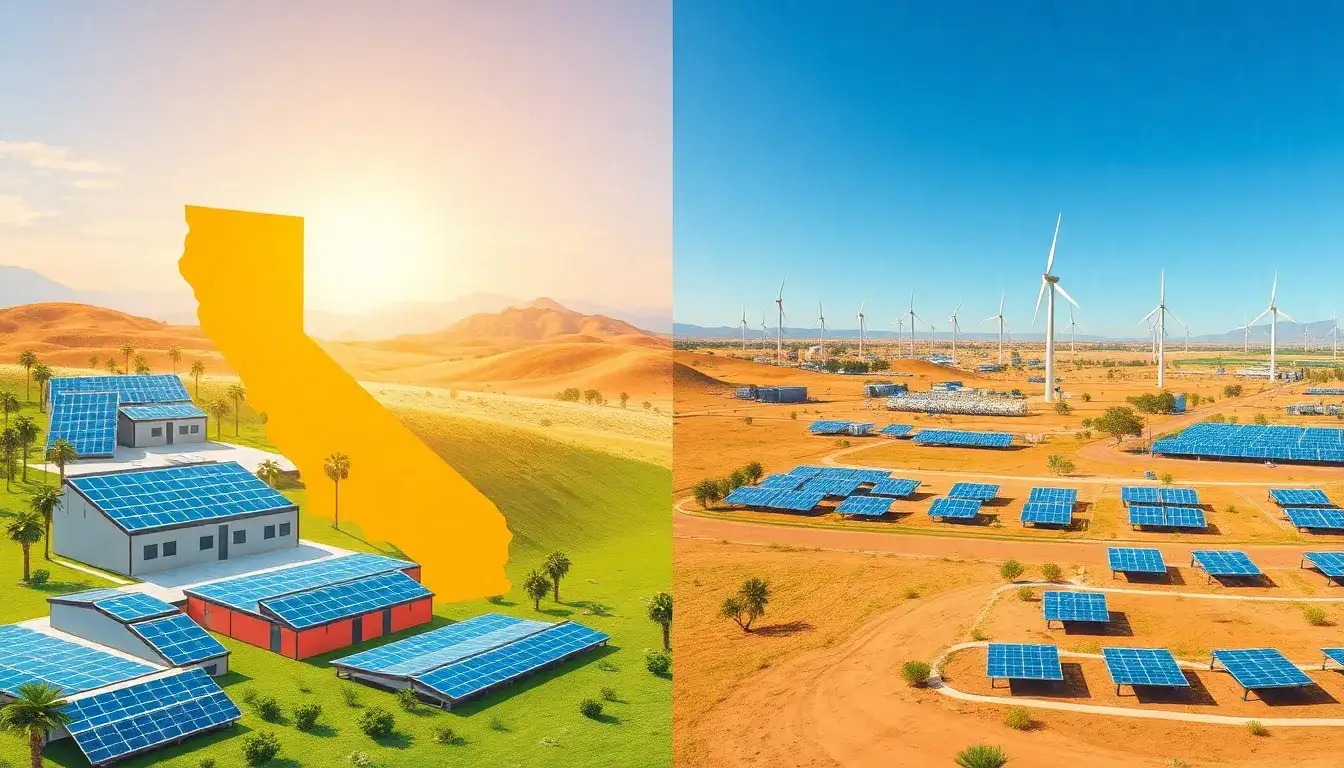
California and Texas Energy Storage Integration
California and Texas have been at the forefront of integrating energy storage into their grids, though the approaches and outcomes differ between the two states.
California’s Energy Storage Integration
Key Strategies:
- Renewable Integration: California has aggressively integrated renewable energy sources into its grid, with a focus on solar and wind power. This shift towards renewables necessitates significant energy storage to ensure grid reliability during periods when solar production is low.
- Battery Storage Deployment: Over the past five years, California has deployed nearly 13 GW of new energy storage, establishing it as a global leader in grid-scale battery installations. This rapid expansion has been crucial in addressing late afternoon and evening grid reliability issues, particularly during heat waves.
- Regulatory Frameworks: The California Public Utilities Commission has set targets for energy storage, ensuring utilities procure specified amounts of storage capacity to enhance grid reliability and integrate renewables.
- Behind-the-Meter Solutions: There is growing interest in behind-the-meter storage solutions for commercial buildings, which can be charged during off-peak hours and discharged when needed, reducing strain on the grid.
Challenges and Future Directions:
- Safety Concerns: Growing public concerns over battery safety have led to increased scrutiny, though safety incidents have been minimal.
- Permitting and Grid Integration: The state is working on permitting reform and aligning policies to support further energy storage integration.
Texas’s Energy Storage Integration
While not as detailed in the provided search results, Texas typically focuses on creating an environment conducive to renewable energy growth, which indirectly supports energy storage integration through market incentives and deregulation. However, specific strategies similar to California’s extensive battery deployment and regulatory targets are not highlighted in the search results.
General Observations:
- Texas, being a more deregulated market, often relies on market forces to drive energy storage adoption rather than strict regulatory targets.
- The integration of energy storage in Texas is likely influenced by changes in the broader ERCOT grid management strategies and technological advancements in battery technology.
In summary, California has made significant strides in energy storage integration through aggressive targets and regulatory support, while Texas’s approach is more market-driven. Both states face challenges but are crucial in setting precedents for the rest of the U.S. in terms of energy storage and grid modernization.
Original article by NenPower, If reposted, please credit the source: https://nenpower.com/blog/how-have-regions-like-california-and-texas-successfully-integrated-energy-storage-into-their-grids/

