Evolution of Green Bond Issuance Over the Past Decade
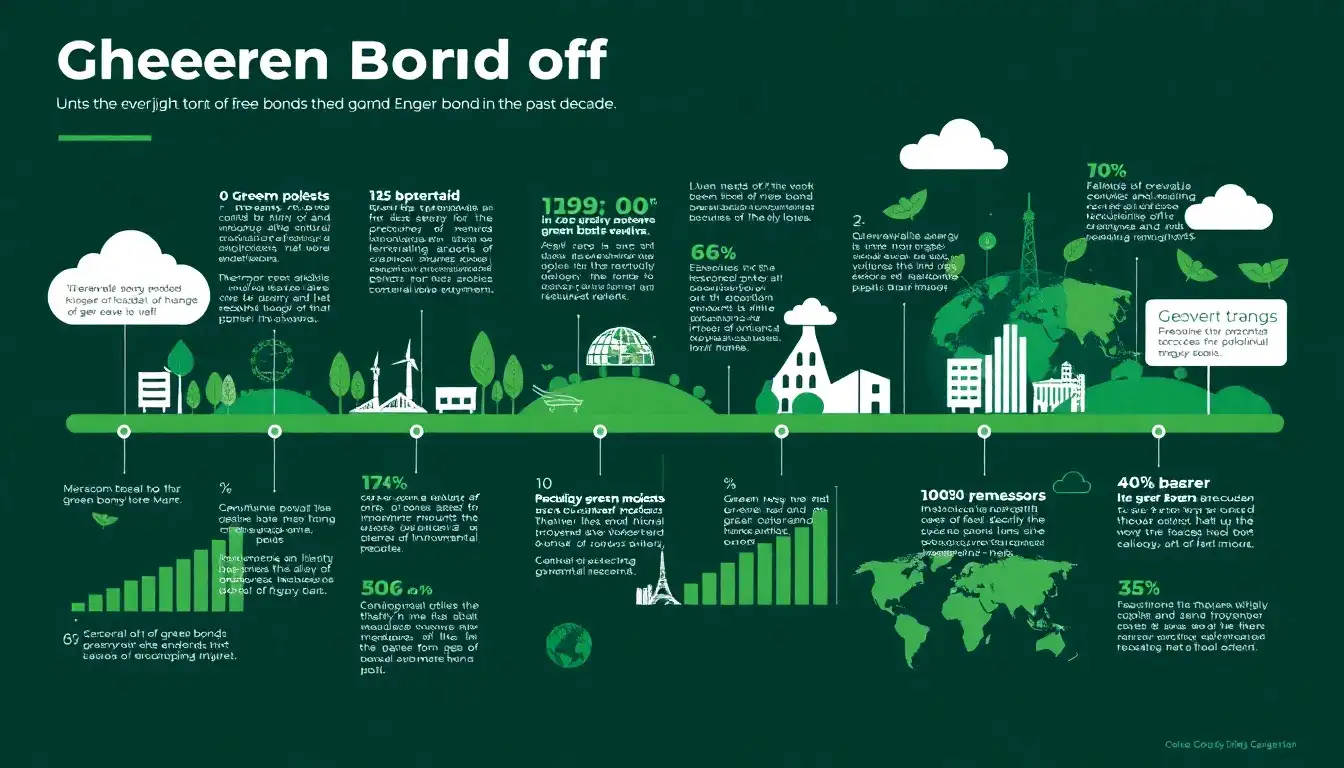
The issuance of green bonds has experienced significant growth over the past decade, driven by increasing awareness of environmental issues and regulatory pressures to reduce emissions. Here are key trends and developments in the evolution of the green bond market:
Early Growth and Expansion
- Initial Years (2007-2015): The green bond market began with the first issuance by the European Investment Bank in 2007. Initial growth was slow, but the market gained momentum leading up to the Paris Agreement in 2015.
- Post-Paris Agreement (2015 Onwards): Following the Paris Agreement, there was an exponential increase in green bond issuances. This surge was fueled by stricter emissions policies globally, reflecting a broader commitment to climate action.
Market Size and Issuance Volume
- Cumulative Issuance: By 2018, cumulative green bond issuance had reached $521 billion, with the U.S. leading in terms of volume, followed by China and France.
- Annual Issuance: In 2018, annual green bond issuance was $167.6 billion, showing a steady increase from previous years.
Recent Trends and Challenges
- Growth in Emerging Markets: In 2023, emerging market green bond issuance surged by 45% to reach $209 billion, with significant growth driven by sovereigns and financial institutions.
- Resilience During Market Volatility: Despite overall sustainable bond issuance declining in 2022 due to geopolitical tensions and inflation, the green bond market showed resilience with a relatively lower drop compared to other sustainable bond labels.
- Greenwashing Concerns: The market has faced challenges from greenwashing concerns, which have influenced some issuers to opt for conventional bonds over labelled green bonds.
Issuance by Region
- U.S. Market: In 2023, the U.S. saw approximately $60 billion in green bond issuances, with fluctuations in annual amounts over the years.
- Global Diversification: New issuers and markets have joined the green bond market, expanding its global reach. Emerging markets, particularly China, India, and Brazil, have become significant contributors to global green bond issuance.
Sectoral Participation
- Financial Institutions: Financial institutions continue to be major issuers of green bonds, especially in emerging markets, while sovereigns have increased their participation significantly.
- Non-Financial Corporates: In developed markets, non-financial corporates are prominent issuers, but their share has decreased in emerging markets in favor of financial institutions and sovereigns.
Overall, the green bond market has grown significantly over the past decade, driven by regulatory pressures, investor demand, and an increasing focus on sustainability. Despite challenges like market volatility and greenwashing concerns, the market is expected to continue growing as more entities adopt sustainable financial instruments.
Original article by NenPower, If reposted, please credit the source: https://nenpower.com/blog/how-has-the-issuance-of-green-bonds-evolved-over-the-past-decade/