

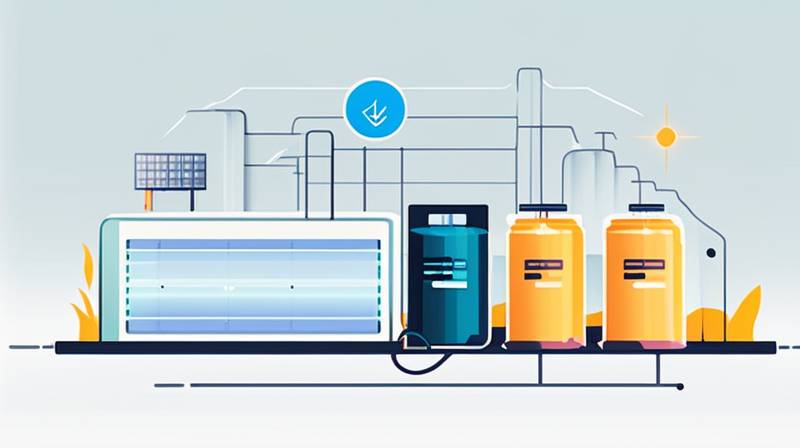
Energy storage systems can play a crucial role in facilitating energy transition in developing nations by providing 1. grid stability, 2. enhanced renewable integration, 3. energy accessibility, 4. economic benefits. These systems allow for the effective management of supply and demand fluctuations, particularly in regions where renewable energy sources such as solar and wind are becoming increasingly prominent. Energy storage technologies enable these nations to harness excess energy produced during peak production times and utilize it during periods of higher demand or lower production. This article explores how energy storage systems can primarily support energy transitions in developing regions by examining various aspects of technology integration, socio-economic impacts, and challenges associated with implementation.
1. THE SIGNIFICANCE OF ENERGY STORAGE SYSTEMS
In recent years, energy storage systems have gained traction as pivotal players in the global energy landscape, particularly for developing nations. The dependence on conventional fossil fuels has raised concerns about sustainability and energy security, prompting the exploration of alternative measures. Energy storage technologies, encompassing batteries, pumped hydro storage, and thermal storage, offer solutions that not only enhance energy reliability but also support green initiatives.
Grid stability becomes increasingly critical as more renewable energy sources are integrated into the national grids of developing countries. The intermittent nature of renewable resources necessitates the implementation of energy storage solutions to manage peak loads effectively. By using energy storage systems to balance supply and demand, these nations can reduce the reliance on fossil fuel-based power generation, leading to a more sustainable energy matrix.
Furthermore, energy storage systems can aid in addressing the perennial challenge of energy access, a pressing issue in many developing nations. The disruptive potential of decentralized energy storage means that even remote communities can benefit from reliable electricity without needing extensive grid infrastructure. This transformation facilitates the empowerment of local economies through improved access to energy.
2. ENHANCED RENEWABLE INTEGRATION
The integration of energy storage systems directly correlates with enhanced adoption of renewable energy technologies. As developing nations strive to reduce their carbon footprints, incorporating solar, wind, and other renewable sources becomes essential. However, due to their variable nature, these renewable technologies often require complementary systems to ensure a consistent energy supply.
Renewable energy generation experiences fluctuations, affected by weather patterns, time of day, and geographical location. Energy storage systems act as a buffer, absorbing excess generation during sunny or windy conditions and releasing stored energy during times when natural generation dips. This capability not only increases the resilience of the energy supply but also improves the commercial viability of renewables.
Investment in energy storage not only underpins current energy needs but also stimulates future developments in renewable technology. As nations recognize the advantages of integrating energy storage into their grids, investments in research and development will likely surge, leading to more efficient storage technologies. Such advancements can potentially facilitate breakthroughs that could enable low-cost renewable energy access, further enticing developing nations to pursue ambitious energy transition goals.
3. ENERGY ACCESSIBILITY AND EQUITY
In the quest for energy transition, ensuring equitable access to energy resources is imperative. Approximately 1 billion people globally still lack access to electricity, with developing nations accounting for a considerable portion of this population. Energy storage systems can bridge this gap by decentralizing energy distribution and allowing communities to generate, store, and utilize energy locally.
Decentralized energy systems can provide reliable electricity in remote regions. Energy storage systems integrated with off-grid solar projects enable communities to harness solar energy during daylight hours, storing it for later use. This configuration eliminates the need for complex grid connections, ensuring localities can enjoy energy independence.
Moreover, the social implications of energy access are profound. Adequate energy enables improved education opportunities, healthcare access, and economic growth. For instance, access to electricity supports essential services such as lighting in schools and hospitals, which can significantly enhance life quality. Thus, investing in energy storage infrastructure translates into better living standards, illustrating energy access as a catalyst for socio-economic improvement.
4. ECONOMIC BENEFITS AND JOB CREATION
The establishment and expansion of energy storage systems not only bolster energy transition strategies but also present substantial economic opportunities. Developing nations often grapple with economic challenges that hinder their growth trajectories. By investing in energy storage technologies, these economies can pivot towards sustainable growth.
Job creation is a critical advantage associated with energy storage system deployment. New manufacturing facilities, installation companies, and maintenance services arise to meet the growing demand for energy storage solutions. This surge in employment opportunities generates local economic stimulation, reducing unemployment rates and elevating community welfare.
Additionally, developing nations can achieve long-term energy cost savings by investing in energy storage systems. With the capability to store energy during off-peak hours and utilize it during high-demand periods, countries can minimize reliance on expensive imported fossil fuels. Reduced energy expenditures free up government resources for healthcare, education, and infrastructure developments.
FAQs
HOW DO ENERGY STORAGE SYSTEMS WORK?
Energy storage systems function by capturing energy produced during periods of low demand or high generation and dispersing it during periods of high demand or low generation. Batteries, pumped hydro storage, and thermal storage systems are the primary forms of energy storage.
Batteries store electricity chemically and can release it on demand, making them versatile for various applications, including renewable integration and backup power supply. Pumped hydro storage employs gravitational potential energy, moving water between two reservoirs to generate electricity when needed. Thermal storage systems utilize heat to store energy, which can be transformed back into electricity or used directly for heating.
Overall, energy storage systems’ capacity to retain and release energy reduces dependency on traditional power sources, ultimately fostering a sustainable energy future.
WHAT ARE THE CHALLENGES OF IMPLEMENTING ENERGY STORAGE SYSTEMS IN DEVELOPING NATIONS?
The integration of energy storage systems in developing nations faces several obstacles, including financial constraints, infrastructure inadequacies, and regulatory hurdles.
Funding is often limited, as governments and private investors might prioritize immediate needs over long-term energy strategies. Institutions may struggle to secure financing to incorporate costly energy storage technologies. Furthermore, inadequate infrastructure can pose challenges for implementing energy storage solutions effectively. Many developing countries lack the necessary grid connections and technological frameworks to support advanced energy storage systems.
Regulatory environments can also hinder the deployment of such technologies. Bureaucratic hurdles, alongside a lack of awareness and understanding of energy storage benefits, can delay or discourage investment. Addressing these challenges requires stakeholder collaboration and substantial investment in education and infrastructure development.
WHAT ROLE DO GOVERNMENTS PLAY IN ENERGY STORAGE SYSTEM IMPLEMENTATION?
Governments are pivotal in shaping the energy storage landscape by establishing conducive policies, promoting investments, and fostering research and development initiatives. Regulatory frameworks can incentivize the deployment of energy storage systems through tax rebates, grants, and subsidies.
By providing financial support, governments can encourage private sector participation in energy storage ventures, which, in turn, promotes job creation. Additionally, fostering partnerships with international organizations can lead to knowledge transfer and technological advances, boosting local energy storage capabilities.
Lastly, governments should focus on public awareness campaigns to educate citizens about the benefits of energy storage systems. Building a supportive community ensures the long-term success of renewable energy and energy storage initiatives.
Energy storage systems are instrumental in supporting the energy transition in developing nations. Their potential to stabilize grids, enable renewable energy integration, enhance access to energy, and foster economic progress is remarkable. Each facet reveals the multi-dimensional benefits these systems contribute towards achieving a sustainable energy future. As developing nations navigate the complexities of energy transition, understanding and addressing the myriad challenges associated with energy storage will play a pivotal role in facilitating this crucial transformation. Policymakers, investors, and communities must dedicate their efforts towards creating environments intrinsic to harnessing energy storage solutions effectively. By recognizing the importance of energy independence and sustainability, nations can cultivate a resilient and inclusive energy landscape. Ultimately, the journey towards a sustainable energy future will not only be defined by the transition to renewables but also by how energy storage systems serve as the backbone for this transformation, ensuring reliable, equitable, and continuous energy access for all.
Original article by NenPower, If reposted, please credit the source: https://nenpower.com/blog/how-energy-storage-systems-can-support-energy-transition-in-developing-nations/

