

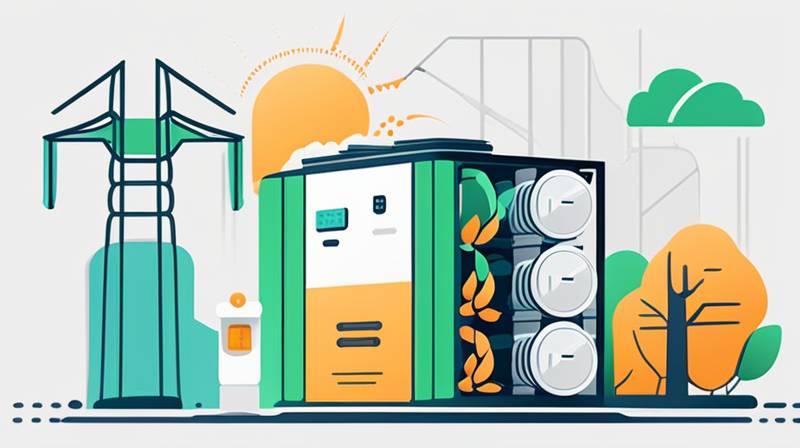
How energy storage enhances the effectiveness of renewable energy systems
1. Energy storage systems enable effective utilization of intermittent energy sources, 2. They provide grid stability and reliability, 3. Enhanced energy management through demand response, 4. Facilitate integration of diverse renewable technologies.
Energy storage technologies play a pivotal role in maximizing the potential of renewable energy systems. As renewable sources like solar and wind are inherently variable, energy storage provides a mechanism to capture excess energy during peak production times and release it during periods of high demand or low generation. This not only boosts the efficiency of renewable systems but also strengthens energy resilience by ensuring a reliable power supply. For instance, during sunny or windy days, energy production can exceed demand, leading to potential wastage; energy storage systems absorb this excess and discharge it when generation diminishes, thus aligning supply with demand seamlessly. Such capabilities render energy storage systems indispensable for advancing a sustainable energy future.
1. THE ROLE OF ENERGY STORAGE IN RENEWABLE ENERGY
In the realm of renewable energy, the integration of energy storage systems represents a transformative shift in how energy is produced, stored, and consumed. Energy storage not only enhances the operational efficiency of renewable energy systems but also addresses significant challenges associated with their inherent variability. Solar and wind resources, being dependent on environmental conditions, present challenges in maintaining a stable and reliable energy supply. Energy storage systems mitigate this variability by acting as an intermediary buffer, ensuring that renewable energy remains a viable option, even during periods of low generation.
Energy storage technologies, such as batteries, pumped hydro, and flywheels, serve various applications within renewable energy systems. For instance, batteries are particularly adept at providing short-term energy supply, enabling households and businesses to utilize stored solar energy produced during the day at night. Conversely, pumped hydro systems can store large quantities of energy over extended periods, proving invaluable for grid-level energy management. Consequently, these diverse technologies offer tailored solutions that enhance both local and grid-level renewable energy integration, paving the way for a greener future.
2. ENHANCING GRID STABILITY AND RELIABILITY
A significant benefit of incorporating energy storage within renewable energy systems lies in its ability to bolster grid stability and reliability. By storing excess energy generated during peak times and supplying it during demand surges, energy storage systems facilitate smoother energy flow within the grid. This capacity to regulate energy supply is crucial as it aids in preventing blackouts and managing load imbalances—a pressing concern for many utility operators worldwide.
Moreover, energy storage solutions can help mitigate the negative effects of intermittent power generation typical of renewables. For example, grid operators can utilize energy storage systems to provide ancillary services such as frequency regulation and voltage support. Such services are critical in maintaining the integrity of the power grid, particularly as the share of renewable energy continues to grow. As the dynamics of electricity markets evolve, the role of energy storage in ensuring grid resilience is becoming increasingly recognized as paramount.
3. DEMAND RESPONSE AND ENERGY MANAGEMENT
Energy storage systems facilitate smarter energy management strategies through demand response initiatives. Demand response programs incentivize consumers to adjust their power consumption during peak demand periods, thereby alleviating strain on the grid. When coupled with energy storage, these programs can become more effective and appealing. For example, during high-demand periods, stored energy can be dispatched to meet consumer needs, reducing reliance on less sustainable peaking power plants.
Additionally, the integration of energy storage enables businesses and homeowners to participate actively in the energy market. Through time-shifting strategies, users can store energy when prices are low and utilize it during high price periods. This not only results in significant cost savings but also enhances the overall efficiency of the electricity system. By participating in demand response programs, consumers contribute to a more balanced and sustainable energy ecosystem while benefiting financially.
4. ENABLING DIVERSIFIED RENEWABLE TECHNOLOGIES
The synergy between energy storage and renewable energy systems allows for a diverse array of technologies to coexist and thrive. When energy storage systems are implemented, they enable various renewable technologies, such as solar photovoltaics, wind turbines, and bioenergy, to be integrated seamlessly into the existing energy landscape. This enhances the operational flexibility of renewables, allowing them to complement each other effectively.
For instance, while solar generation peaks during the day, energy storage systems can ensure that this energy is utilized later, thus allowing solar power to serve a more significant share of overall energy demand. Similarly, wind generation patterns, which can often occur at night or during off-peak periods, can benefit greatly from energy storage systems, providing a steady supply when consumption levels are higher. This interconnectivity fosters a diverse energy mix, relieves reliance on fossil fuel sources, and empowers utilities to meet regulatory goals concerning carbon emissions.
FREQUENTLY ASKED QUESTIONS
HOW DOES ENERGY STORAGE IMPACT RENEWABLE ENERGY PRICES?
The economic viability of renewable energy systems is significantly influenced by the integration of energy storage solutions. By enhancing the reliability and stability of renewable energy generation, energy storage can lead to a decrease in the overall production costs associated with renewable energy. This is particularly relevant during periods of high energy demand, where costly peaking power plants often become necessary to maintain supply.
With a robust energy storage system in place, utilities can draw on stored energy rather than relying solely on expensive fossil-fuel-powered units. Additionally, energy storage allows for better price arbitrage in energy markets; excess generation, which might otherwise go unused, can be stored and sold at higher prices during peak demand. As a result, energy storage contributes to a more competitive renewable landscape, ultimately benefiting consumers through more favorable pricing structures.
WHAT TYPES OF ENERGY STORAGE TECHNOLOGIES ARE AVAILABLE?
A variety of energy storage technologies exist, each with its unique applications, advantages, and limitations. The most prevalent include lithium-ion batteries, pumped hydro storage, compressed air energy storage, and flywheels.
Lithium-ion batteries are widely used for their high energy density and scalability, making them ideal for residential and commercial applications. Pumped hydro storage remains the most established form of single large-scale energy storage, utilizing gravitational potential energy to manage vast quantities of energy and deliver it as needed. Compressed air energy storage, while less common, is another promising large-scale solution, which stores energy in pressurized air. Flywheels offer rapid response times and high efficiency for short-duration energy storage, suitable for specific grid management tasks. These diverse technologies provide the flexibility necessary to support the varied needs of renewable energy systems.
HOW DO ENERGY STORAGE SYSTEMS HELP MITIGATE ENVIRONMENTAL IMPACTS?
Energy storage systems play an important role in promoting environmental sustainability, particularly as they enhance the effectiveness of renewable energy systems. By increasing the reliability and stability of renewables, energy storage helps to displace fossil fuel usage, thereby reducing greenhouse gas emissions. The ability to store renewable energy for dispatch during peak periods minimizes dependence on carbon-intensive power sources, such as coal and natural gas.
Moreover, energy storage systems can adapt to fluctuating energy demands while simultaneously facilitating the grid’s transition towards cleaner sources. This transition is pivotal in reducing the overall environmental footprint of energy production. While it is essential to consider the environmental impact of energy storage technologies themselves, advancements in materials and recycling methods continue to mitigate these concerns, making energy storage increasingly viable from a sustainability perspective.
Energy storage significantly amplifies the effectiveness of renewable energy systems by ensuring a reliable, stable, and economically viable power supply. The synergy between storage technologies and renewable generation not only enhances grid management but also empowers consumers to engage more actively in the energy market. Furthermore, as this dynamic interrelationship progresses, it enables a shift toward a diversified and interconnected energy landscape that promotes sustainability and minimizes reliance on fossil fuels. The move towards energy storage solutions marks a turning point in the journey toward a cleaner and more resilient energy future, ultimately leading to greater energy independence and environmental stewardship. The successful integration of energy storage illustrates a critical strategy in combating climate change while fulfilling our energy needs sustainably. As innovations continue and the technology matures, energy storage stands poised to play an even more significant role in shaping the future of energy systems worldwide, driving progress towards a sustainable and equitable global energy landscape.
Original article by NenPower, If reposted, please credit the source: https://nenpower.com/blog/how-energy-storage-enhances-the-effectiveness-of-renewable-energy-systems/

