

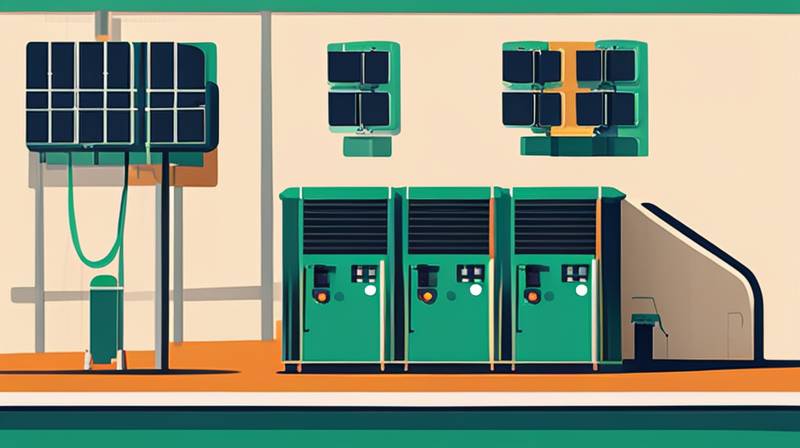
Energy storage systems can significantly enhance Nigeria’s rural electrification programs by providing reliable power, improving energy access, and fostering sustainability. 1. Enhancing reliability of energy supply, 2. Facilitating uninterrupted power during outages, 3. Supporting renewable energy integration, 4. Reducing dependence on fossil fuels. A detailed elaboration on improving reliability is essential; energy storage technologies, such as batteries, can store excess power generated from renewable sources during peak production times and deliver it during periods of high demand, ensuring a stable energy supply regardless of external conditions. This capability is especially crucial in rural areas where grid access can be sporadic and unreliable, potentially transforming the way energy is consumed and managed.
1. ENHANCING RELIABILITY OF ENERGY SUPPLY
The significance of enhancing the reliability of energy supply cannot be understated, particularly in the context of Nigeria’s rural electrification initiatives. Many rural communities face frequent outages and unstable energy delivery, which hampers economic activities and affects quality of life. By integrating energy storage systems, such as lithium-ion batteries or advanced flow batteries, these electricity systems can buffer fluctuations and maintain a consistent energy supply.
When renewable energy sources—like solar and wind—are deployed, energy production is often inconsistent due to weather and time factors. Energy storage addresses this issue by storing surplus energy generated during sunlight hours and releasing it during low production periods, thus stabilizing the energy output as per demand. The ability to balance supply and demand effectively without reliance on traditional grid systems makes energy storage a game-changer for rural electrification.
Moreover, energy storage contributes to greater grid resilience, particularly in areas vulnerable to environmental disruptions. When integrated with microgrid systems, such technologies enable communities to operate independently of central grids when necessary, providing a local solution to energy supply challenges. As a result, the confidence of rural populations in the reliability of energy access significantly grows, fostering economic development.
2. IMPROVING ACCESS TO ENERGY
A major barrier to development in rural Nigeria is the inadequate access to electricity, which stifles growth in agriculture, education, and health sectors. Energy storage technologies enhance energy accessibility by ensuring that energy is available where and when it is needed most. This can be achieved through localized energy systems that utilize energy storage in tandem with renewable generation sources.
One promising approach is the deployment of community solar power projects coupled with energy storage solutions. In regions where solar has been implemented, the ability to store energy helps mitigate the issues caused by daily and seasonal fluctuations in solar availability. Instead of relying solely on direct sunlight, stored energy can be dispensed during evenings or cloudy days, providing households and businesses with uninterrupted electricity access.
Furthermore, the installation of energy storage systems can reduce the upfront costs associated with building traditional grid infrastructure. By utilizing decentralized models, rural communities can circumvent the long delays and hefty capital investments typically tied to grid extension projects, thus accelerating their path to achieving energy independence and a higher quality of life. Notably, this transformation leads to an empowered populace that can leverage electricity for education, communication, and enhancing their economic situation.
3. SUPPORTING RENEWABLE ENERGY INTEGRATION
Strengthening the role of renewable energy integration is essential in Nigeria’s fight against energy poverty. Given the country’s substantial renewable potential—especially in solar energy—energy storage systems become pivotal in harnessing this potential effectively. They serve as a mechanism for managing the variability associated with renewable generation and enhance the overall viability of such projects.
Currency fluctuations, market dynamics, and political instability often lead to power supply insecurity in urban and rural areas alike. Through energy storage systems, rural electrification efforts can incorporate a mix of renewable resources—solar, wind, and biomass—while stabilizing supply against these uncertainties. During periods of surplus generation, energy storage absorbs the excess, while during peak loads or shortages, it discharges stored energy into the grid or directly to consumers.
Additionally, integrating energy storage supports efforts to build smart grids equipped with demand-side management technologies. Smart grids enhance the efficiency and reliability of energy distribution, optimizing how energy is consumed across different networks. Encouraging community involvement in smart energy management practices translates to better participation in utilizing renewable resources, thereby shaping sustainable communities and reducing reliance on fossil fuels.
4. REDUCING DEPENDENCE ON FOSSIL FUELS
One notable outcome of deploying energy storage systems is the profound reduction in dependence on fossil fuels. In many rural Nigerian communities, the use of diesel generators has been the norm to supplement inadequate electricity from the grid. By harnessing renewable energy complemented by storage solutions, communities can gradually phase out these polluting generators.
This shift has multiple benefits, including a decrease in greenhouse gas emissions, less noise pollution, and enhanced air quality, which contributes positively to public health. Furthermore, utilizing locally-sourced renewable energy reduces vulnerability to oil price fluctuations, shielding rural economies from global market volatility.
The transition requires investment in training and education programs, ensuring that local residents understand how to operate and maintain energy storage systems along with renewable technologies. Empowering communities with this knowledge builds a sustainable model for energy management and encourages local entrepreneurship, particularly in technology maintenance and support services.
In promoting energy independence by embracing renewable energy and storage solutions, Nigeria can create a replicable model for rural electrification across the continent. As this infrastructure develops, communities will enjoy stable, sustainable energy access that supports economic growth and enhances citizens’ quality of life.
FREQUENTLY ASKED QUESTIONS
WHAT ARE ENERGY STORAGE SYSTEMS?
Energy storage systems are technologies designed to capture and store energy for later use. They come in various forms, including batteries, flywheels, compressed air systems, and pumped hydro storage. These systems regulate energy supply by storing excess electricity generated during peak production periods and releasing it during high demand phases or outages. For instance, in a rural setting, solar energy collected during sunny days can be stored for use at night or during cloudy weather, significantly enhancing energy reliability. The advancements in energy storage technology have led to improved efficiencies and extended lifecycles, making them crucial for the integration of renewable sources into the power grid. In Nigeria, these systems represent a viable path towards enhancing energy supply stability and increasing the viability of renewable energy projects in both urban and rural areas.
HOW CAN ENERGY STORAGE IMPROVE ELECTRICITY ACCESS IN RURAL NIGERIA?
Energy storage enhances electricity access in rural Nigeria by providing a reliable buffer against fluctuations in supply. Many rural areas experience irregular electricity supplies due to underdeveloped infrastructure or scarcity of resources. By utilizing energy storage alongside renewable energy sources—such as solar panels—these communities can ensure that energy is consistently available when needed. The stored energy allows for power distribution during peak hours or in emergency situations, effectively reducing reliance on traditional power sources which are often unreliable. Furthermore, energy storage can enable localized microgrid systems that serve rural communities independently of the national grid. This local energy autonomy enhances not only electricity access but also supports local economies, improving the overall quality of life for residents and fostering a more sustainable future.
WHAT ROLE DOES ENERGY STORAGE PLAY IN SUSTAINABILITY?
The role of energy storage in promoting sustainability is multifaceted. Firstly, by facilitating greater integration of renewable energy resources, energy storage helps to diminish greenhouse gas emissions typically associated with fossil fuel consumption. With efficient energy storage systems in place, communities can harness renewable energy effectively, using it as a primary resource and significantly reducing carbon footprints. Secondly, energy storage enhances grid reliability and efficiency, allowing for a more resilient energy system that can react dynamically to changes in demand. This adaptability aids in reducing energy waste and maximally utilizing available resources. Lastly, as community-based energy solutions grow, energy storage supports economic sustainability by fostering local job creation and entrepreneurship opportunities linked to renewable energy technologies and infrastructure maintenance. By embedding sustainability into the energy equation, energy storage technologies represent a step toward a cleaner, more resilient, and increasingly independent energy future.
The transformative potential of energy storage systems in Nigeria is profound, serving as a linchpin for effective rural electrification efforts. The integration of these advanced technologies optimizes energy resilience, enhances reliability, and facilitates a significant shift towards renewable resource utilization. Initiatives that incorporate energy storage not only empower local communities to achieve energy independence but also drastically reduce dependency on less sustainable, traditional energy sources.
Investment in energy storage reflects a strategic alignment with global sustainability targets, addressing urgent issues such as climate change and energy injustices inherent in rural electrification disparities. By fostering local engagement, communities can harness the dual benefits of stable power access and environmental stewardship. The future of Nigerian energy can emerge as a model for Africa and beyond, showcasing renewable practices integrated with cutting-edge technologies that empower rather than exploit.
As stakeholders—government bodies, NGOs, and private sectors—collaborate to promote innovative financing models and capacity-building programs surrounding energy storage deployment, a pathway to meet energy demand responsibly can be charted. Ultimately, the synergy between energy storage and rural electrification initiatives positions Nigeria to embrace a sustainable energy paradigm, ensuring lasting economic and social dividend for its populace. Through intentional investments and collaborative action, Nigeria has the opportunity to craft an energy future that is equitable, resilient, and sustainable for all.
Original article by NenPower, If reposted, please credit the source: https://nenpower.com/blog/how-energy-storage-can-support-nigerias-rural-electrification-programs/

