

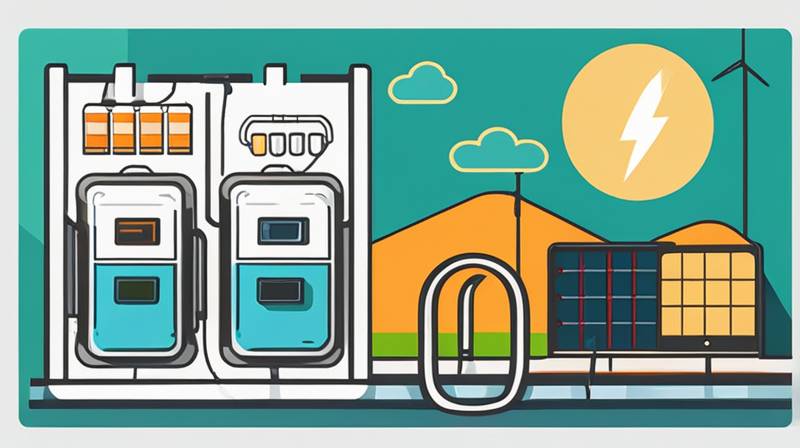
Energy storage plays a crucial role in accommodating Nigeria’s increasing energy demands. 1. Energy storage enhances grid reliability, 2. Facilitates renewable energy integration, 3. Provides energy access to remote areas, 4. Supports economic growth and development. By enabling the efficient distribution of energy, the technology ensures that peak demand can be met without straining resources. This is particularly significant as Nigeria seeks to diversify its energy mix and leverage abundant renewable resources, such as solar and wind. The nation’s diverse geography and varied climate conditions make energy storage solutions essential for optimizing energy use across different regions.
1. THE SIGNIFICANCE OF ENERGY STORAGE IN NIGERIA
Energy storage technologies are pivotal in addressing Nigeria’s expanding energy demands. As the country’s population rapidly grows and urbanization continues, the need for a robust and reliable energy system becomes increasingly urgent. Energy storage serves as a bridge between supply and demand, ensuring that energy generated is not wasted but stored for optimal use. With Nigeria’s economy heavily reliant on oil, diversifying into renewable energy sources while establishing reliable storage systems can enhance energy resilience and mitigate the impacts of load shedding.
The integration of energy storage solutions offers numerous advantages. It enables smooth and efficient utilization of generated power, especially during peak periods when demand surges. By storing surplus energy produced during off-peak hours (when demand is low), these systems can dispatch energy when it’s most needed. This process not only stabilizes electricity prices but also contributes to environmental sustainability by promoting cleaner sources of energy.
2. RENEWABLE ENERGY INTEGRATION AND STORAGE
As Nigeria seeks to transition from fossil fuels to greener energy alternatives, energy storage becomes paramount for effectively integrating renewables into the current energy framework. With abundant resources, such as solar and wind, Nigeria has significant potential for renewable energy utilization. However, the intermittent nature of these power sources presents challenges. Energy storage systems can level out fluctuations, ensuring a steady and reliable energy supply.
Moreover, these systems can support decentralized energy production, allowing individuals and communities that utilize solar panels or small wind turbines to store excess energy for later use. This decentralization not only increases energy security but also promotes community involvement in energy production. A robust grid with integrated storage can lead to a more democratized energy sector, where rural and urban areas alike benefit from renewable solutions.
3. IMPROVING ENERGY ACCESS IN REMOTE AREAS
Energy access remains a significant challenge in many regions of Nigeria, particularly rural areas where grid connection is sparse or non-existent. Energy storage technologies serve as a viable solution to improve electricity access for underserved populations. By deploying solar energy systems combined with storage solutions, remote communities can generate and store electricity locally without relying on traditional grid infrastructure.
These systems provide independence from erratic power supply and enhance the quality of life by enabling access to essential services such as healthcare, education, and clean water. The success of off-grid energy storage solutions has been witnessed in various pilot projects within Nigeria, where communities have reported increased productivity and improved living standards due to reliable electricity. Enhanced energy access can also help alleviate poverty by fostering economic activity through small businesses and enterprises.
4. ENERGY STORAGE’S ROLE IN ECONOMIC DEVELOPMENT
The interplay between energy storage and economic growth cannot be understated. Implementing energy storage not only stimulates the energy sector but also catalyzes broader economic developments across various industries. An efficient energy system powered by storage technologies can reduce operational costs for businesses, thus encouraging investments and promoting local manufacturing.
Furthermore, with enhanced energy availability, job creation opportunities arise in fields such as renewable energy installation, maintenance, and management. As Nigeria’s energy landscape evolves, fostering partnerships between government, private sectors, and international organizations around energy storage will be crucial. These collaborative efforts can drive innovation in technology, facilitate funding opportunities, and enhance workforce development, positioning Nigeria on a sustainable growth trajectory.
FREQUENTLY ASKED QUESTIONS
WHAT ARE THE BENEFITS OF ENERGY STORAGE FOR NIGERIA’S ENERGY SECTOR?
Energy storage offers numerous benefits for Nigeria’s energy sector, primarily enhancing system reliability and efficiency. Storage systems help balance supply and demand, stabilize the grid during peak consumption periods, and mitigate the risks associated with power outages. Additionally, they enable better integration of renewable energy sources, reducing reliance on fossil fuels and promoting environmental sustainability. This transition towards greener energy not only addresses climate concerns but also positions Nigeria to become a leader in clean energy solutions within the region.
Moreover, energy storage broadens energy access, particularly in rural communities that may not be connected to the national grid. By harnessing localized renewable systems with storage capabilities, these communities can achieve energy independence. This improved access to electricity fosters economic growth, drives local entrepreneurship, and enhances overall living standards.
HOW CAN PRIVATE INVESTMENTS IN ENERGY STORAGE IMPACT NIGERIA’S ENERGY INFRASTRUCTURE?
Private investments in energy storage have the potential to significantly strengthen Nigeria’s energy infrastructure. With adequate funding, companies can develop and deploy advanced storage solutions that support renewable energy projects. This investment can lead to technological innovations, driving down costs and increasing efficiency in energy delivery systems. Enhanced infrastructure facilitates more consistent electricity supply, which is essential for businesses and industries that rely heavily on energy.
The involvement of private entities also invites competition in the energy sector, leading to improvements in service quality and pricing. Moreover, these investments can help stimulate job growth as new projects create employment opportunities in installation, maintenance, and energy management sectors. In essence, robust private investment can transform the energy landscape, ensuring sustainable and equitable energy access across the nation.
WHAT TYPES OF ENERGY STORAGE TECHNOLOGIES ARE BEST SUITED FOR NIGERIA?
Various energy storage technologies can effectively meet Nigeria’s unique energy needs. Battery energy storage systems stand out as the most adaptable and widely used technology for both grid-scale and off-grid applications. Lithium-ion batteries are often favored due to their high efficiency, declining costs, and scalability, which makes them suitable for residential, commercial, and utility-scale projects.
Additionally, other technologies like pumped hydro storage, compressed air energy storage, and flywheel systems hold significant potential, particularly for large-scale applications. Each technology comes with its benefits and challenges, depending on the specific requirements within local contexts. A combination of these technologies can optimize energy storage solutions, promoting sustainability while addressing the diverse energy needs across Nigeria.
The advancement of energy storage technology plays an indispensable role in supporting Nigeria’s escalating energy requirements. By facilitating the efficient integration of renewable energy, enhancing reliability, and improving access to electricity in underserved areas, energy storage stands as a linchpin for sustainable development. Furthermore, the economic benefits associated with energy storage investments exemplify the need for concerted efforts among policymakers, private entities, and communities.
Through strategic investment and collaboration, Nigeria can carve a path toward an energy future characterized by resilience, innovation, and sustainability. With an emphasis on clean energy alternatives and storage systems, Nigeria has the potential to not only meet its growing energy demands but also become a model for other developing nations in terms of energy transition and sustainability. The road ahead is filled with challenges but equally brimming with opportunities for transformative growth in the energy landscape.
Original article by NenPower, If reposted, please credit the source: https://nenpower.com/blog/how-energy-storage-can-support-nigerias-growing-energy-needs/

